


4140 and 4340 are both widely used heat-treatable alloy steels.
They are often grouped together because both are common in shafts, gears, and other high-stress components. In practice, they serve different needs. 4140 is the more common and more economical choice for general-purpose machined parts, while 4340 is better suited to applications that require higher toughness, stronger fatigue resistance, and deeper hardenability.
This guide explains the real difference between 4140 and 4340, so you can choose the right steel for machining, heat treatment, service load, and total manufacturing cost in steel machining parts.
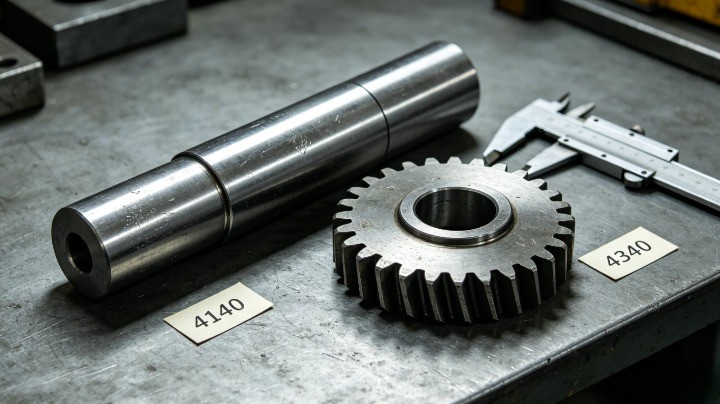
Quick Selection Tip
4140 is usually the better choice for general industrial parts. 4340 is the better choice for larger sections and more demanding fatigue or impact conditions.
If your part is a standard shaft, spindle, fastener, or medium-duty gear, 4140 usually gives you the better balance of strength, machinability, availability, and cost. If your part must keep strength and toughness through a thicker cross-section or survive more severe shock and cyclic loading, 4340 is often the safer engineering choice.
| Factor | 4140 Steel | 4340 Steel |
|---|---|---|
| Alloy family | Chromium-molybdenum | Nickel-chromium-molybdenum |
| Hardenability | Moderate | High |
| Machinability | Better | Lower |
| Toughness | Good | Excellent |
| Weldability | Limited | Limited |
| Material cost | Lower | Higher |
| Best fit | General shafts, bolts, gears | Heavy-duty axles, pinions, critical parts |
What Is the Main Difference Between 4140 and 4340 Steel?
The biggest difference is nickel. 4340 contains a significant nickel addition, while 4140 does not. That change improves hardenability and toughness, especially in larger sections.
Both grades use carbon, chromium, and molybdenum to develop strength after heat treatment. However, 4340 adds nickel to improve through-hardening performance and impact resistance. That is why engineers often choose it for thicker parts or for applications where fatigue failure would be more serious.
4140 is still a strong and versatile alloy steel. It simply does not hold the same level of core toughness and hardenability in large cross-sections as 4340.
Chemical Composition Comparison
| Element | 4140 Steel | 4340 Steel |
|---|---|---|
| Carbon (C) | 0.37–0.44% | 0.37–0.44% |
| Chromium (Cr) | 0.75–1.20% | 0.65–0.95% |
| Molybdenum (Mo) | 0.15–0.30% | 0.20–0.35% |
| Nickel (Ni) | Very low | 1.55–2.00% |
That nickel addition is the reason 4340 is often treated as the premium upgrade rather than a direct substitute for 4140.

Which Steel Has Better Hardenability?
4340 has better hardenability than 4140, especially in thick sections. That makes it the stronger option when the part must maintain core strength after heat treatment.
In smaller diameters, the difference may not look dramatic. A relatively thin 4140 part and a comparable 4340 part can both reach high strength after quench and temper treatment. As section size increases, the gap becomes more important. 4140 does not harden as deeply, so the core properties can fall off more quickly in thicker components.
4340 is better suited to:
• large shafts
• heavy axles
• thick gears
• critical structural components
• parts that must combine strength with toughness through the section
This is often the deciding factor in real projects. If your part is not very thick, 4140 may be enough. If section size is large, 4340 usually deserves closer attention.
Which Steel Is Easier to Machine?
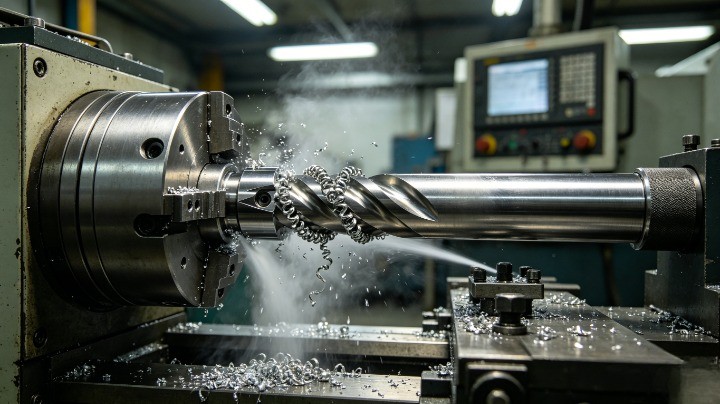
4140 is easier to machine than 4340. If machining cost, tool life, and cycle time are major concerns, 4140 usually has the advantage.
4340 is tougher, which is useful in service but harder on tooling. Shops often see slower cutting speeds, more heat, and faster insert wear when machining 4340, especially in pre-hardened condition. 4140 is not a free-machining steel, but it is generally more manageable in day-to-day CNC metal machining.
This difference matters most in parts with:
• heavy material removal
• long turning cycles
• multiple drilled holes
• deep features
• tighter budget targets
If the part does not truly need the extra hardenability and toughness of 4340, many engineers stay with 4140 to keep production more efficient.
Why This Affects Total Cost
Raw material cost is only part of the comparison. A tougher alloy usually takes longer to machine and consumes more tooling. That means 4340 often increases the finished part cost in two ways:
- higher material price
- higher machining cost
For standard industrial parts, that extra cost is not always justified. For a broader pricing framework, it helps to review how CNC machining cost is calculated.
Which Steel Has Better Toughness and Fatigue Performance?
4340 has better toughness and fatigue resistance than 4140. This is one of the main reasons buyers upgrade from 4140 to 4340.
When a part faces repeated shock, fluctuating load, or demanding service cycles, toughness becomes more important than simple tensile strength. 4340 performs better in these conditions because its alloy design supports stronger core properties and better resistance to fracture in tougher load cases.
That is why 4340 is often used in:
• landing gear components
• high-stress pinions
• heavy-duty crankshafts
• aerospace parts
• severe-duty drivetrain components
4140 still performs well in many industrial applications. It simply fills a different role. It is the workhorse grade for high-strength parts that do not need the higher premium level of toughness that 4340 provides.
How Do 4140 and 4340 Perform in Welding?
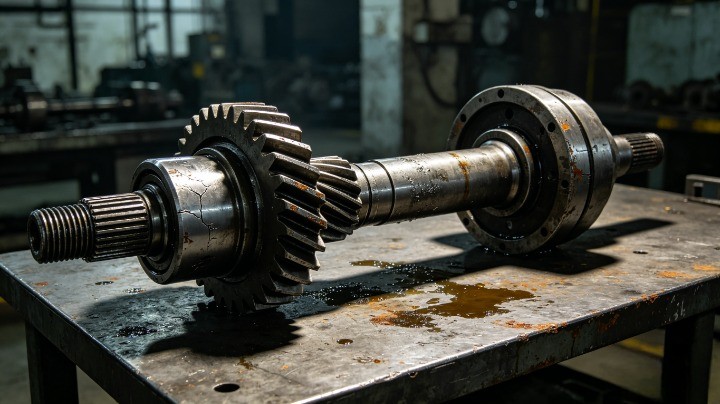
Neither 4140 nor 4340 is an easy welding grade. Both require caution, and neither should be treated like mild steel.
Because of their carbon and alloy content, both grades are prone to cracking in the heat-affected zone if welding is done without the right preparation. Preheating, controlled welding procedure, and post-weld stress relief are often required. In many cases, engineers avoid welding these grades unless the design makes it unavoidable.
If your part needs significant welded fabrication, you should question the design early. A material that works well as a heat-treated shaft may not be the best choice for a welded assembly. For general process background, see arc welding vs gas welding.
Practical Rule for Welding
Use 4140 or 4340 for machined and heat-treated components when welding is limited or avoided. If the part depends heavily on welding, review whether another steel grade would simplify production and reduce risk.
Do 4140 and 4340 Resist Corrosion?
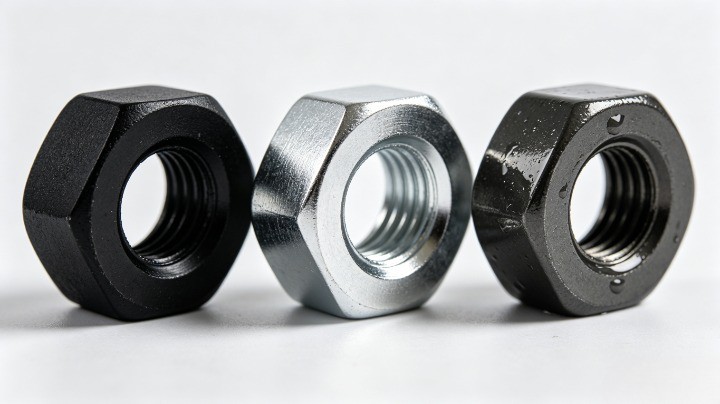
No. Neither grade offers strong corrosion resistance. Both are alloy steels, not stainless steels, so both will rust if exposed to moisture without protection.
That means surface finishing is usually part of the real material decision. In service, these steels are often protected with:
• oil coating
• black oxide
• zinc plating
• phosphate coating
• paint or other protective finishes
If the part will operate outdoors or in humid conditions, do not treat corrosion protection as an afterthought. The finish can be just as important as the steel grade. For a broader finishing reference, see surface treatment guide for metal parts.
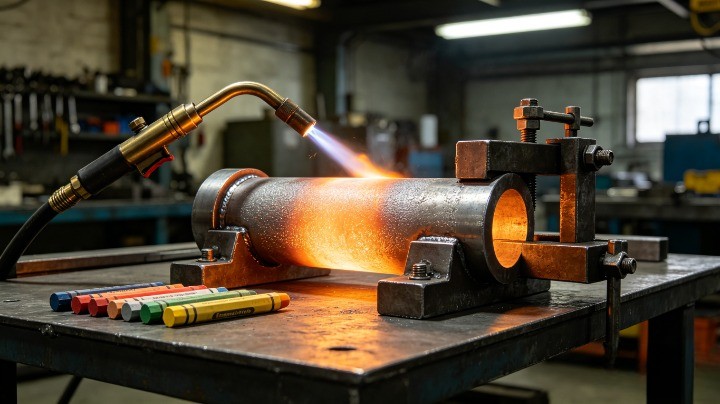
Typical Applications
4140 is more common in standard industrial power-transmission parts. 4340 is more common in heavier-duty or more fatigue-sensitive components.
Where 4140 Steel Is Commonly Used
• transmission shafts
• spindles
• medium-duty gears
• high-strength bolts and studs
• hydraulic fittings
• general machine components
Where 4340 Steel Is Commonly Used
• aircraft landing gear parts
• high-stress gears and pinions
• heavy-duty crankshafts and axles
• oil and gas components
• premium transmission sleeves and structural parts
The overlap between these two grades is real, but the difference usually becomes clear when section size, shock load, or safety margin increases.
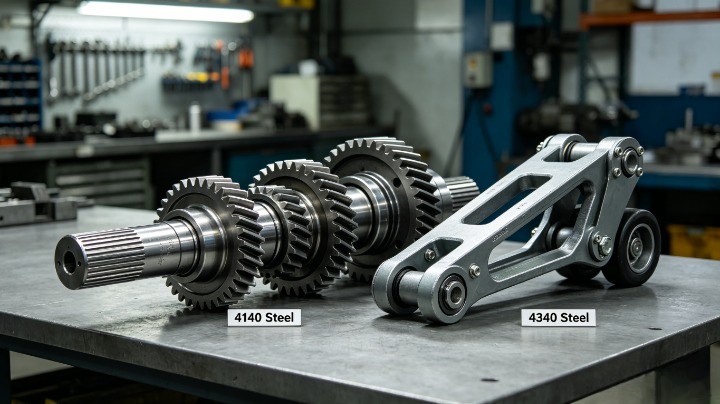
How Should Buyers Choose Between 4140 and 4340?
Buyers should choose 4140 for general strength and lower cost, and choose 4340 when the part needs higher toughness and deeper hardening.
A simple way to decide is to ask five questions:
- Is the part relatively small or thick-section?
- Will it face normal industrial load or severe fatigue and impact?
- Is machining cost a major concern?
- Does the design need premium core toughness after heat treatment?
- Is the added cost of 4340 justified by the service risk?
If cost, machinability, and general performance matter most, 4140 is often the right answer. If the part is larger, more highly loaded, or more safety-critical, 4340 is often worth the upgrade.
FAQ
Is 4340 stronger than 4140?
Yes, especially in larger sections and demanding service conditions. Both grades can reach high strength, but 4340 usually retains strength and toughness better through thicker cross-sections.
Is 4140 easier to machine than 4340?
Yes. 4140 is generally easier on tooling and usually allows more efficient CNC machining than 4340.
Can both steels be surface hardened?
Yes. Both 4140 and 4340 respond well to treatments such as nitriding, induction hardening, and flame hardening for improved surface wear resistance.
Does 4340 cost more than 4140?
Yes. 4340 usually costs more because of its alloy content, especially nickel, and it often costs more to machine as well.
Conclusion
4140 is the practical workhorse, while 4340 is the premium upgrade for tougher and thicker-section parts. If your project involves standard industrial shafts, gears, or fasteners, 4140 usually gives you the best balance of performance and cost. If the part must survive higher fatigue, greater shock, or more demanding section size, 4340 is often the safer long-term choice.
The best decision comes from matching the steel to the real load case, heat-treatment requirement, and machining route instead of choosing by habit alone.
Talk with HMaking
At HMaking, we help customers compare 4140 vs 4340 steel based on part geometry, hardness requirements, heat-treatment route, and machining cost. Our team reviews drawings with manufacturability in mind, so you can choose the grade that fits both performance and budget. Before sending files, you can also review how to prepare RFQ files for fast, accurate quotes.
Contact us today and send your drawings or CAD files. We will review your project and recommend the most practical alloy steel solution for your application.