Materials Library

Inconel vs Titanium: Weight, Strength, Heat Resistance & Applications
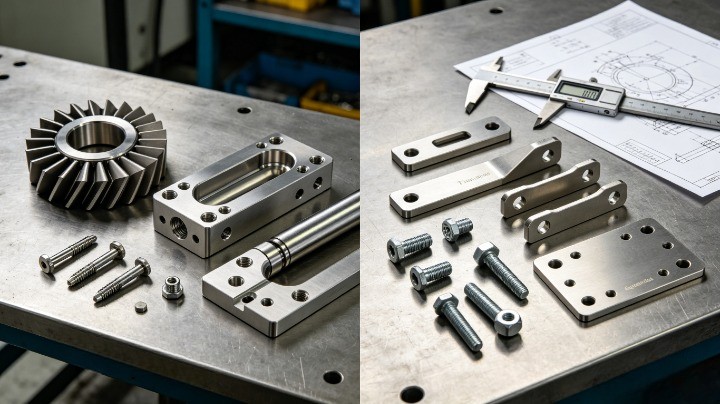
Inconel vs titanium aerospace parts and machined components comparison on workbench

Inconel and titanium solve very different problems in demanding engineered parts. Choosing the wrong one can add unnecessary weight, raise machining costs, or leave the part unable to handle heat in service. Titanium is valued for low density, high specific strength, and marine corrosion resistance, while Inconel is selected for strength retention and oxidation resistance […]

Inconel vs Titanium: Weight, Strength, Heat Resistance & Applications Read More »
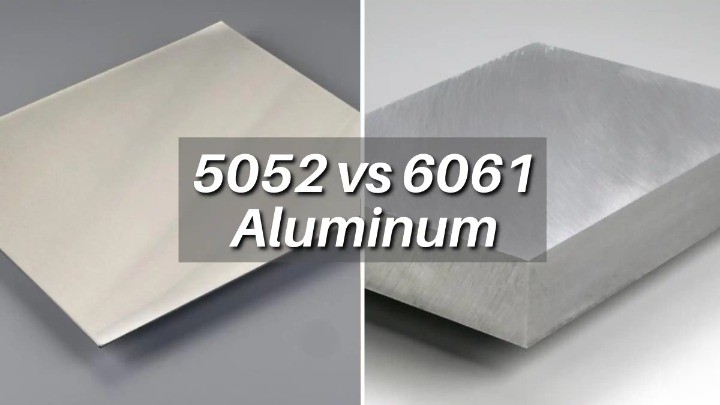
Aluminum 5052 vs 6061: Differences, Strength, Corrosion & Best Uses

5052 aluminum sheet and 6061 aluminum bar material comparison with inspection tools

5052 and 6061 aluminum are used for different fabrication and performance needs. They are often treated as interchangeable because both are common industrial alloys, but they behave differently once production starts. 5052 is easier to bend and is often preferred for sheet metal work, while 6061 offers higher strength and stiffness but needs more care

Aluminum 5052 vs 6061: Differences, Strength, Corrosion & Best Uses Read More »

17-4PH vs 316 Stainless: Strength, Corrosion, Hardness & Best Uses

17-4PH and 316 stainless steel raw material comparison with certificates and inspection tools

Choosing between 17-4PH and 316 stainless steel depends on what your part must withstand. A wrong material choice can create strength limitations, corrosion problems, fabrication difficulties, or unnecessary cost. 17-4PH is commonly used when high strength and hardness are the priority, while 316 is preferred when corrosion resistance, weldability, and long-term durability in harsh environments

17-4PH vs 316 Stainless: Strength, Corrosion, Hardness & Best Uses Read More »

Scroll to Top