


5052 and 6061 aluminum are used for different fabrication and performance needs.
They are often treated as interchangeable because both are common industrial alloys, but they behave differently once production starts. 5052 is easier to bend and is often preferred for sheet metal work, while 6061 offers higher strength and stiffness but needs more care in forming, especially in harder tempers.
This guide compares formability, strength, machining fit, and service use, so you can choose the alloy that better matches your part design, manufacturing route, and overall cost.
A Simple Rule of Thumb
Choose 5052 for bent and welded sheet-metal parts. Choose 6061 for stronger machined or structural parts.
5052 is easier to form and offers excellent corrosion resistance, so it is often used for enclosures, tanks, and marine-related parts. 6061 is usually the better choice when strength, stiffness, and machining matter more than tight bending.
5052 vs 6061 at a Glance
Note: This comparison relies on the most common commercial tempers for B2B manufacturing: 5052-H32 and 6061-T6.
| Factor | Aluminum 5052-H32 | Aluminum 6061-T6 |
|---|---|---|
| Alloy Family | 5xxx Series (Al-Mg) | 6xxx Series (Al-Mg-Si) |
| Heat Treatable? | No (Hardened by cold working) | Yes |
| Yield Strength | ~23 ksi (159 MPa) | ~35 ksi (241 MPa) |
| Ultimate Tensile Strength | ~31 ksi (214 MPa) | ~42 ksi (290 MPa) |
| Formability & Bending | Excellent (Can take tight radii) | Poor in T6 (Prone to cracking) |
| Machinability | Fair (Gummy, produces long chips) | Good to Excellent (Chips break easily) |
| Corrosion Resistance | Excellent (Marine grade) | Good to Very Good |
| Weldability | Excellent | Good (But loses strength in weld zone) |
| Best For | Sheet metal, marine panels, tanks | CNC parts, structural frames, extrusions |
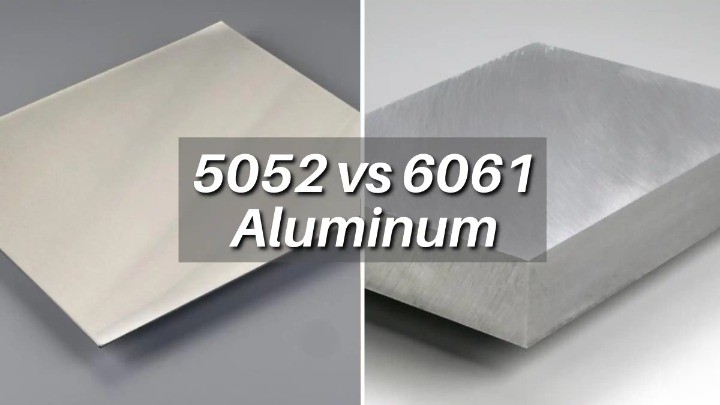
What Is the Main Difference?
The fundamental difference lies in their alloying elements, which dictate how they behave under manufacturing stress.
5052 is a non-heat-treatable alloy primarily strengthened by cold working. Its magnesium-rich chemistry gives it excellent corrosion resistance and weldability, but it cannot be significantly strengthened through heat treatment.
6061 is heat-treatable and alloyed with both magnesium and silicon. The formation of magnesium silicide is what allows the material to be precipitation hardened for much higher structural performance. If your team needs a deeper look at the alloy itself, this 6061 aluminum guide is a useful follow-up.
6061 Is the Structural Winner
If your application involves load-bearing stress, 6061-T6 is significantly stronger than 5052-H32.
With a yield strength of roughly 35 ksi compared to 5052’s 23 ksi, 6061 will resist permanent deformation under much heavier loads. This makes 6061 the industry standard for aerospace fixtures, structural framing, bicycle frames, and heavy-duty machined brackets.
If you are comparing multiple alloy options for structural machining projects, see best aluminum alloys for CNC machining.
Corrosion Resistance: 5052 Claims the Marine Edge
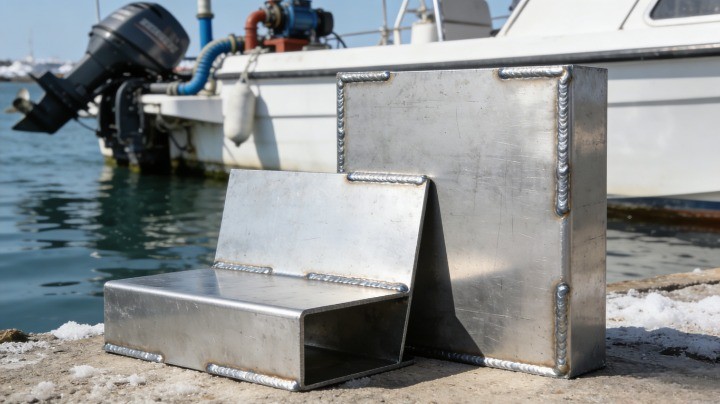
While both alloys form a natural oxide layer that protects against rust, 5052 is broadly considered a marine-grade aluminum. Its high magnesium content makes it exceptionally resistant to saltwater and marine atmospheres.
While 6061 holds up well in general outdoor environments, it can pit in harsh chloride or saltwater conditions unless heavily protected. Therefore, 5052 is the premium choice for boat hulls, marine hardware, fuel lines, and coastal enclosures. This is also why it aligns well with applications such as aluminum rail fittings used in corrosion-prone environments.
Formability and Bending: The 5052 Advantage
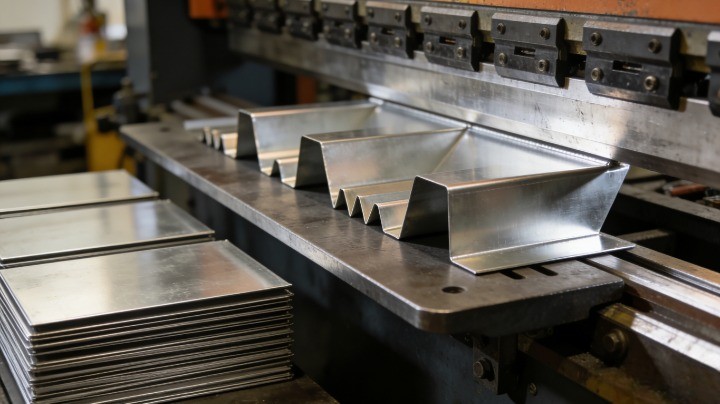
In the sheet metal department, 5052 is the undisputed favorite. When you put standard 6061-T6 into a press brake and attempt a 90-degree bend with a tight radius, the material is highly likely to crack along the bend line because of its hardness. To bend 6061 severely, you often must buy it in the fully annealed O temper.
5052-H32, however, has excellent elongation and forming characteristics. It can be bent tightly, stamped, and deep-drawn without fracturing, making it ideal for custom aluminum enclosures, electronic housings, and folded brackets.
Weldability: Both Good, but 5052 Is More Forgiving
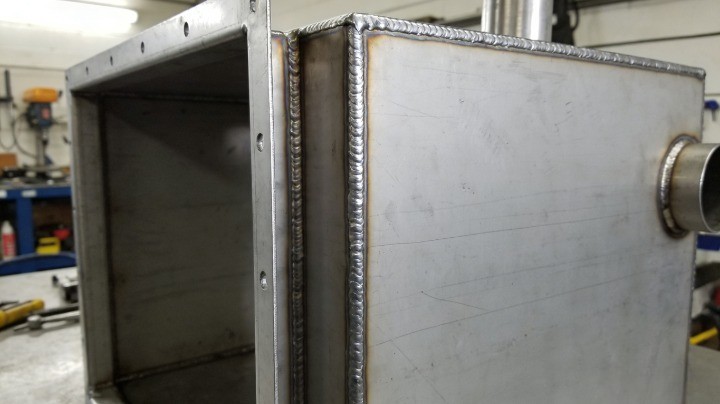
Both alloys can be easily welded using TIG or MIG processes, typically with 4043 or 5356 filler wire. However, there is a critical difference in what happens after welding.
Because 6061-T6 is heat-treated, the extreme heat of the welding torch destroys the temper in the heat-affected zone. The weld area will lose a significant portion of its strength unless the entire part is re-heat-treated.
5052, being non-heat-treatable, does not suffer this same dramatic localized strength loss. That makes it much more forgiving for welded tanks, reservoirs, and assemblies such as aluminum tank heads.
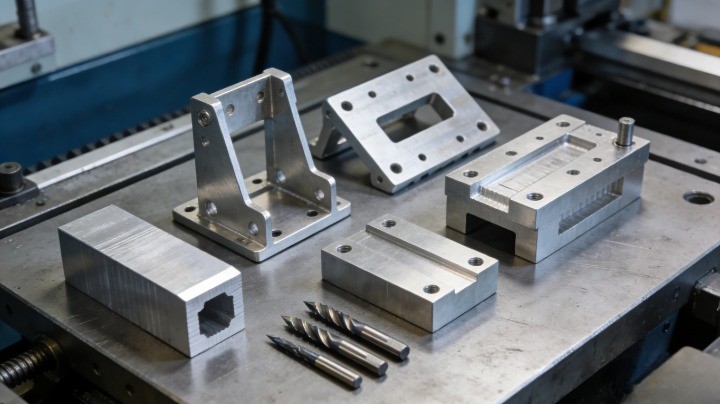
6061 Dominates the CNC Shop
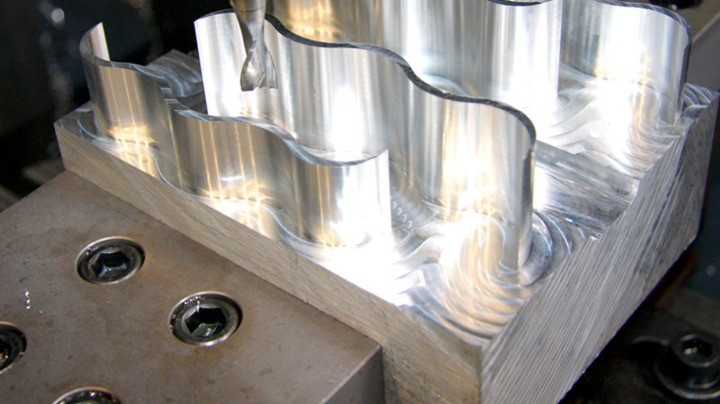
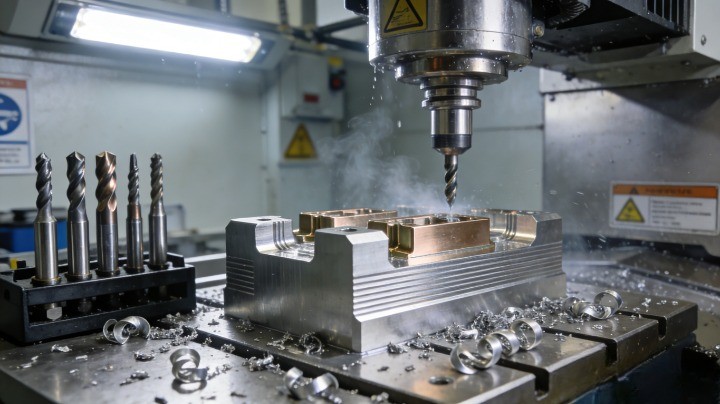
When it comes to CNC turning vs CNC milling, 6061 is the clear commercial choice.
Because 5052 is softer, it tends to be gummy. When machined, it produces long, stringy chips that wrap around tooling, and it often leaves burrs that require manual removal. By contrast, 6061-T6 cuts more cleanly and delivers a better precision finish directly off the tool.
If your part starts as a thick plate or bar stock and requires extensive material removal, 6061 is usually the default choice for custom billet aluminum parts.
Anodizing and Surface Finish
Both alloys accept surface treatments well. However, 6061 generally yields a more uniform cosmetic result when clear or color anodized.
Because of the higher magnesium and trace impurities in 5052, hardcoat anodizing can sometimes produce a slightly darker or more yellowish tint compared with the cleaner finish often seen on 6061. For buyers evaluating finish performance, hard coat anodizing aluminum is worth reviewing.
Versatile Applications for 5052 and 6061 Aluminum
Selecting the appropriate aluminum alloy depends heavily on the intended manufacturing process and the environmental stressors the final part will face. While both alloys are highly versatile, their mechanical properties lead them toward distinct industrial and commercial roles.
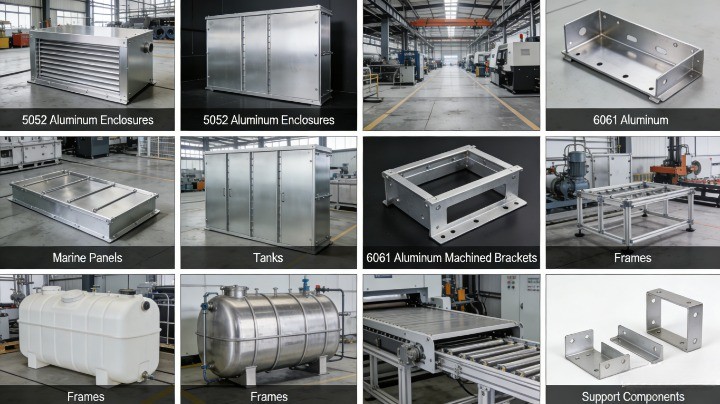
Where to use 5052 Aluminum
- Sheet metal electronics enclosures and chassis
- Marine panels, boat hulls, and saltwater hardware
- Welded fuel tanks, hydraulic reservoirs, and fluid lines
- Stamped or deep-drawn components
- General non-structural bent fabrications
Where to use 6061 Aluminum
- Heavy-duty structural frames and automation bases
- Precision CNC machined blocks, mounts, and brackets
- High-stress extruded profiles
- Aerospace machined parts and automotive hardware
- Any part requiring high strength-to-weight performance plus anodizing
Choose the Right Aluminum for Your Process
Choosing between 5052 and 6061 aluminum can affect part quality, fabrication efficiency, and cost. If your project involves laser cutting, sheet metal fabrication, or tight bending, 5052 aluminum is usually the better choice because it offers better formability and a lower risk of cracking. If your part requires CNC machining, tighter tolerances, and higher structural strength, 6061 aluminum is often the more practical and cost-effective option.
Work with HM for Precision Aluminum Fabrication
At HM, we help customers choose the right aluminum alloy for both performance and budget. Our team combines experience in aluminum fabrication, machining, and DFM review to reduce production risks and improve manufacturability from the start. Contact HM today for a free consultation and competitive quote, and send us your drawings to get started.