Aluminum 5052 vs 6061: Differences, Strength, Corrosion & Best Uses

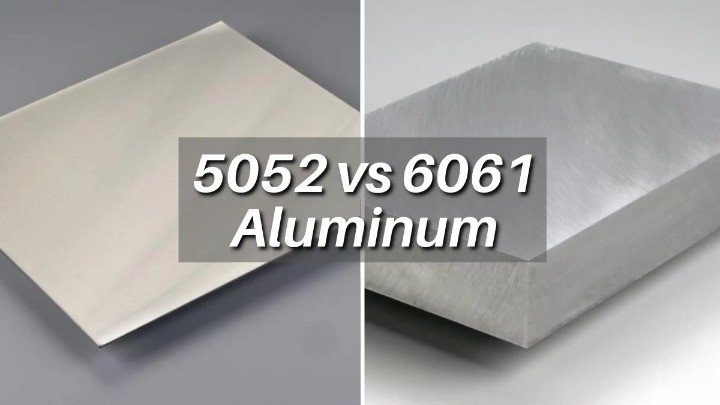
5052 aluminum sheet and 6061 aluminum bar material comparison with inspection tools

5052 and 6061 aluminum are used for different fabrication and performance needs. They are often treated as interchangeable because both are common industrial alloys, but they behave differently once production starts. 5052 is easier to bend and is often preferred for sheet metal work, while 6061 offers higher strength and stiffness but needs more care

Aluminum 5052 vs 6061: Differences, Strength, Corrosion & Best Uses Read More »
17-4PH vs 316 Stainless: Strength, Corrosion, Hardness & Best Uses

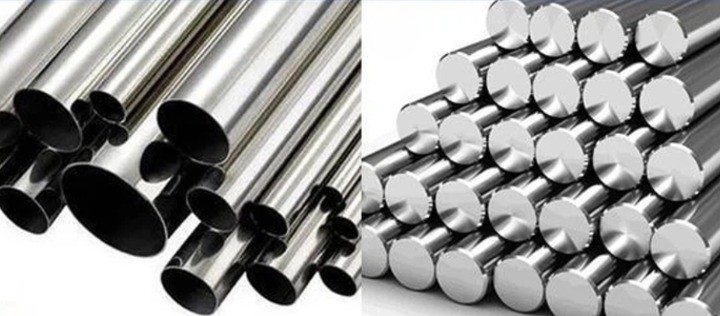
17-4PH and 316 stainless steel raw material comparison with certificates and inspection tools

Choosing between 17-4PH and 316 stainless steel depends on what your part must withstand. A wrong material choice can create strength limitations, corrosion problems, fabrication difficulties, or unnecessary cost. 17-4PH is commonly used when high strength and hardness are the priority, while 316 is preferred when corrosion resistance, weldability, and long-term durability in harsh environments

17-4PH vs 316 Stainless: Strength, Corrosion, Hardness & Best Uses Read More »

Is Stainless Steel Magnetic

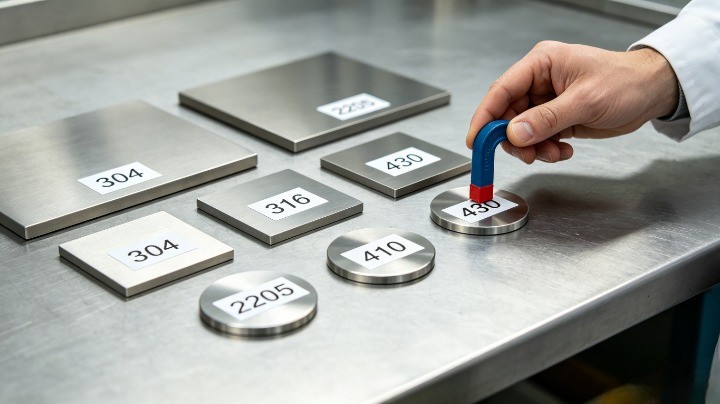
stainless steel grades 304 316 430 410 2205 with hand magnet on workbench

The answer depends on the grade — not all stainless steel behaves the same way around a magnet. Some grades attract magnets strongly. Others show almost no response at all. And some grades that start as non-magnetic can develop a magnetic response after CNC machining, bending, or cold working. This guide gives you the grade-level

Is Stainless Steel Magnetic Read More »

Scroll to Top

Blog

Discover insights, innovations, and expertise in precision manufacturing. From CNC machining to surface finishing, explore our comprehensive guides and industry knowledge.

Browse by category:

${I18N.loadingArticles}