


Stainless steel grade comparison
Are you confused about stainless steel grades? Understanding the differences can save you time and money in your projects.
304 stainless steel is a versatile material known for its excellent corrosion resistance, making it ideal for various applications, from kitchen equipment to architectural features.
In this blog, we will explore the unique properties of 304 stainless steel, compare it with grade 316, and help you decide which one suits your needs best.
304 stainless steel is known for its excellent corrosion resistance.True
304 stainless steel contains chromium, enhancing corrosion resistance.
304 stainless steel is ideal for architectural features.False
316 grade offers better corrosion resistance for architecture.
What Makes Grade 304 Stainless Steel So Popular?
Grade 304 stainless steel is a top choice for many industries. Its unique properties make it stand out.
Grade 304 stainless steel is popular due to its excellent corrosion resistance, mechanical strength, and versatility. It contains 18-20% chromium and 8-10.5% nickel, making it ideal for various applications in food processing, architecture, and machinery.

304 stainless steel applications
Grade 304 is an austenitic stainless steel known for its non-magnetic nature and ease of fabrication. This grade performs well in many environments but can be vulnerable to pitting in chloride conditions. It cannot be heat treated but can be strengthened through cold working. Common uses include kitchen appliances, sinks, and industrial equipment. Variants like 304L offer improved weldability for heavy components, while 304H is suited for high-temperature applications.
In summary, grade 304’s combination of durability and adaptability makes it a preferred material across multiple sectors. Understanding its properties helps users select the right type for their specific needs.
Grade 304 stainless steel contains 18-20% chromium and 8-10.5% nickel.True
These are standard composition ranges for Grade 304.
Grade 304 stainless steel can be heat treated to increase strength.False
It cannot be heat treated; strength is increased by cold working.
How Does Grade 316 Outperform in Corrosive Environments?
Grade 316 stainless steel is a game changer for those facing tough corrosive conditions. Its unique properties make it the go-to choice for durability and resistance.
Grade 316 outperforms other stainless steels mainly due to its molybdenum content, which enhances its corrosion resistance, especially against chlorides. This makes it ideal for marine and chemical environments.
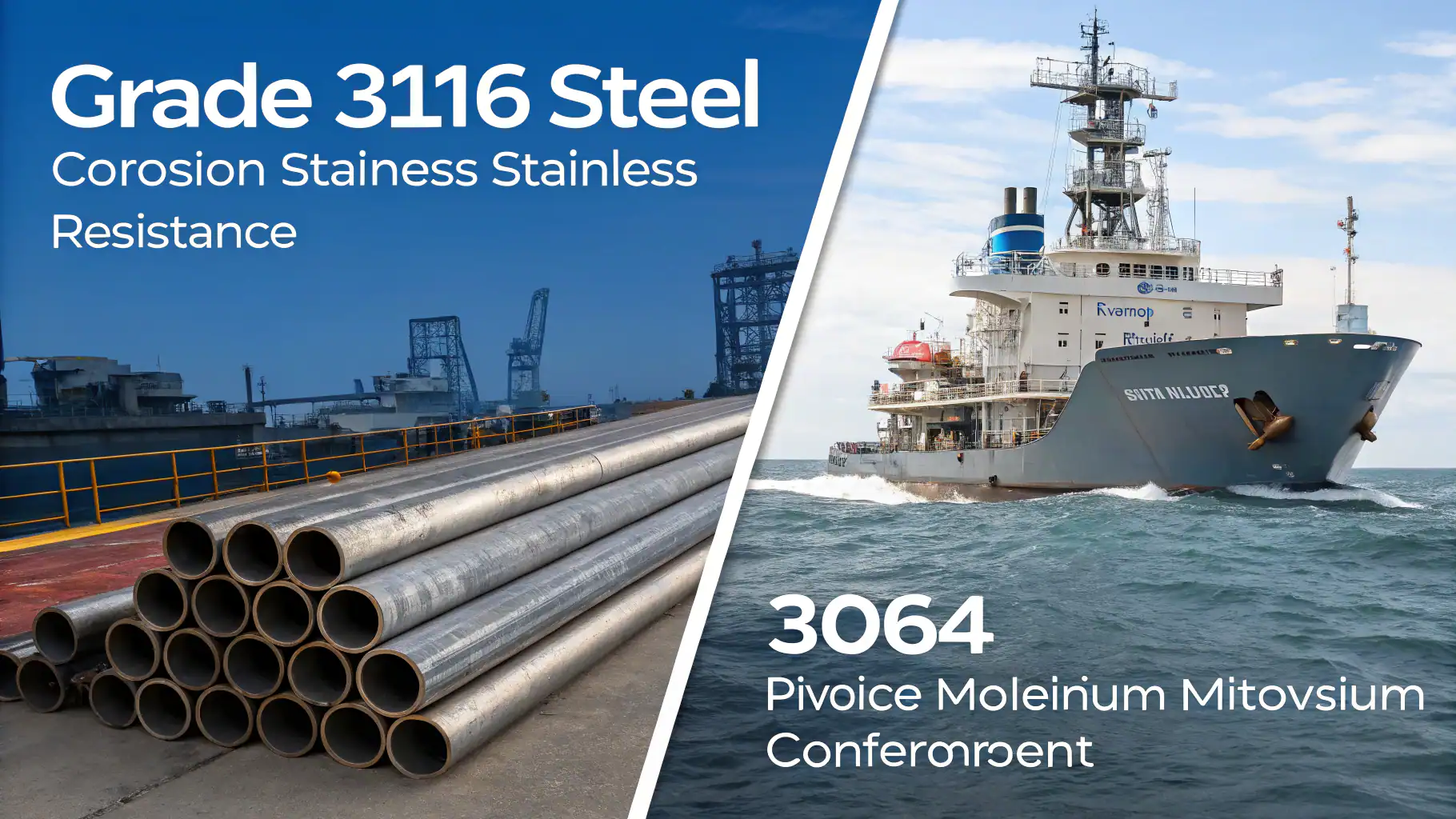
Grade 316 stainless steel
The addition of molybdenum (2-3%) in grade 316 significantly improves its ability to resist pitting and crevice corrosion compared to grade 304, which lacks this element. While both grades are austenitic stainless steels, grade 316’s enhanced performance justifies its higher cost in harsh settings. It is commonly used in applications like marine equipment, chemical processing, and medical devices where exposure to corrosive elements is frequent.
| Property | Grade 304 | Grade 316 |
|---|---|---|
| Molybdenum Content | None | 2-3% |
| Chloride Resistance | Moderate | Excellent |
| Common Applications | Kitchen appliances | Marine & chemical tanks |
In summary, if you need materials that can withstand aggressive environments without compromising on strength or integrity, grade 316 is the superior choice.
Grade 316 stainless steel has molybdenum content of 2-3%.True
Molybdenum enhances corrosion resistance, especially against chlorides.
Grade 304 stainless steel contains molybdenum.False
Grade 304 lacks molybdenum, unlike grade 316.
What Are the Key Differences Between Grades 304 and 316?
Are you confused about which stainless steel grade to choose? Understanding the differences between grades 304 and 316 can save you time and money.
Grade 304 is a versatile stainless steel known for its high nickel and chromium content, making it suitable for many applications. Grade 316, on the other hand, includes molybdenum, enhancing its corrosion resistance in harsh environments.

Stainless steel grades comparison
When comparing grades 304 and 316, mechanical properties play a crucial role. Both are austenitic stainless steels with excellent durability. However, grade 304 is more cost-effective and widely used in kitchens and food processing due to its good corrosion resistance. It performs well in mild environments but may corrode when exposed to chlorides or seawater.
Grade 316 excels in corrosive conditions thanks to its molybdenum content. This makes it ideal for marine applications or chemical processing where exposure to saltwater or harsh chemicals is common. Although it comes at a higher price point, the added durability justifies the investment for specific uses.
In summary, your choice between grades 304 and 316 should depend on your application needs and environmental factors. If you’re working in less corrosive settings, grade 304 might be sufficient. For harsher conditions, consider investing in grade 316 for better long-term performance.
Grade 304 stainless steel is more cost-effective than grade 316.True
Grade 304 has lower material costs compared to grade 316.
Grade 316 stainless steel is less resistant to corrosion than grade 304.False
Grade 316 contains molybdenum, enhancing its corrosion resistance.
Why Is Chromium Essential for Stainless Steel Durability?
Chromium is the secret ingredient that makes stainless steel strong and resistant to rust. Without it, your metal would quickly corrode and fail.
Chromium plays a crucial role in enhancing the corrosion resistance of stainless steel. It forms a protective layer on the surface, preventing oxidation and extending the material’s lifespan. This is why stainless steel must contain at least 10.5% chromium to be classified as such.

Stainless Steel Durability
The presence of chromium in stainless steel creates a thin oxide layer that protects against environmental factors like moisture and air. This layer is self-repairing; if damaged, it can regenerate when exposed to oxygen. For instance, grades 304 and 316 contain significant amounts of chromium (18-20% for 304), which contributes to their excellent durability in various applications. While grade 304 is versatile for kitchen use, grad 316 offers enhanced protection against chlorides, making it ideal for marine environments. Understanding these differences helps you choose the right type of stainless steel based on your needs and conditions.
Chromium forms a protective layer on stainless steel.True
Chromium oxide layer prevents oxidation.
Stainless steel must contain at least 10.5% chromium.False
Minimum chromium content is 11%.
Conclusion
Grade 304 is versatile and cost-effective, while grade 316 offers superior corrosion resistance for harsh environments. Chromium enhances stainless steel’s durability.