


High-performance work involves great strength, resistance against corrosion, and the best option for it is Aluminum 7175. This guide explains features, how it works, and how to use it, guiding you through your decisions in aerospace, automotive, and industrial manufacturing.
Understanding 7175 Grade
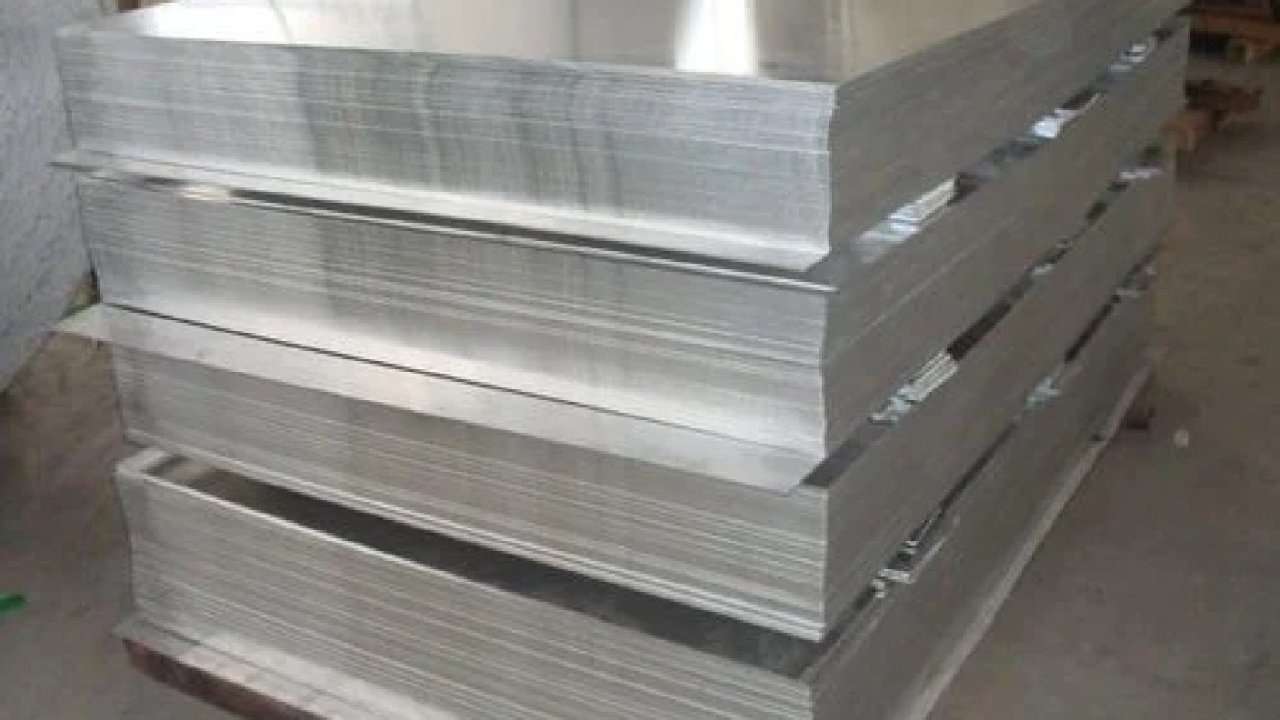
7175 Al grade is made of zinc, magnesium, and copper, and it is a hard alloy that can be strengthened by heat treatment. When high strength and durability are required, such as for aerospace structures. When put next to 7075, Aluminum 7175 is superior in terms of stress corrosion and machinability. Usually, it is applied to forged or machined elements, which gives the component toughness and dependability.
For those designing for tough situations that impact mechanical performance, this kind of material is highly recommended. You should use Aluminum 7175 for parts that must be tough as well as accurate.
Chemical Composition and Role of Each Element
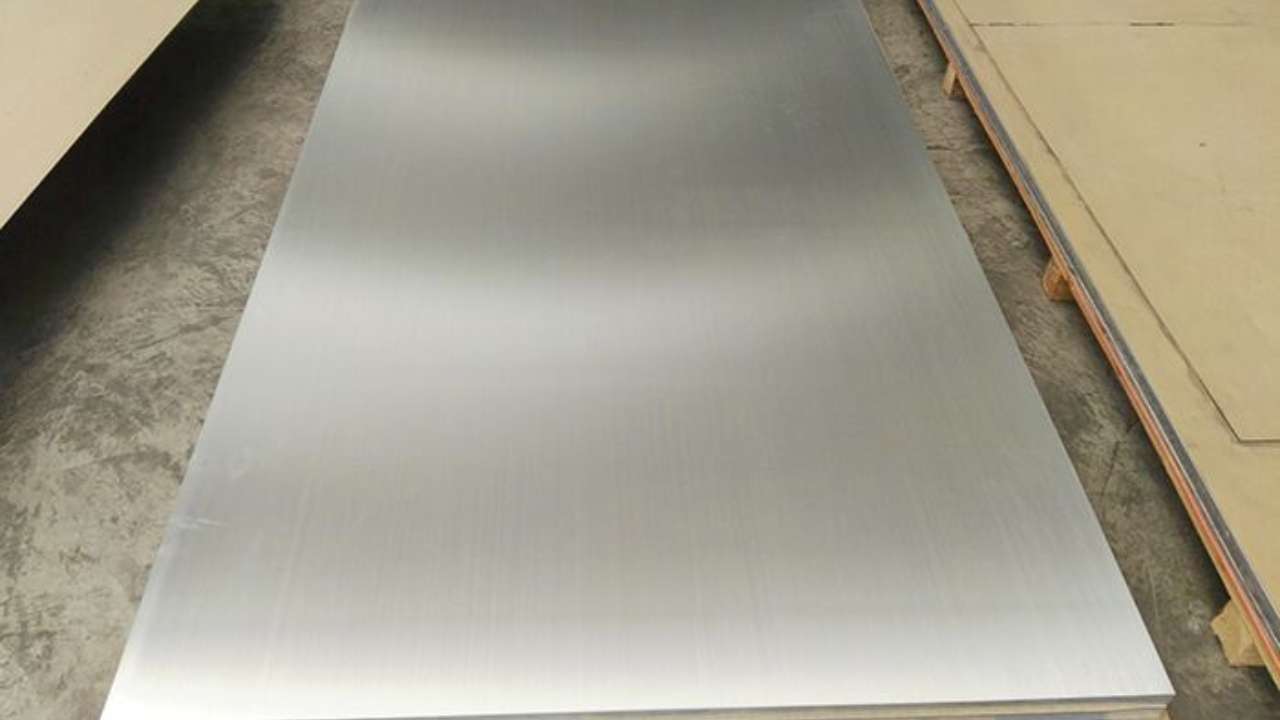
| Element | Weight Percentage (%) | Function in Alloy |
| Aluminum (Al) | Balance | Base metal |
| Zinc (Zn) | 5.6-6.1 | Enhances strength through precipitation hardening. |
| Copper (Cu) | 1.2-2.0 | Increases strength and hardness |
| Chromium (Cr) | 0.18-0.28 | Improves corrosion resistance |
| Magnesium (Mg) | 2.1-2.9 | Strength and corrosion resistance |
| Others (Silicon, Iron, Titanium, Manganese) | Trace | Alloy structure balance |
Mechanical and Physical Properties of 7175 Aluminum

-
Mechanical Properties
| Properties | Tensile Strength | Yield Strength | Elongation | Hardness | Modulus of Elasticity |
| Attributes | 510 – 580 MPa | 450 – 510 MPa | 8 – 12% | ~150 HB | ~71 GPa |
o Tensile Strength
Aluminum 7175 is appreciated for its tensile strength, which ranges from 510 to 580 MPa and helps it resist being broken under tension for your applications.
o Yield Strength
The yield strength range of 450 and 510 MPa allows the alloy to keep your components under stress before deformation occurs.
o Elongation
Extend the material by 8 to 12%, so you achieve a balance between being flexible enough to handle impacts and being tough enough to avoid breaking.
o Hardness
Products with around 150 HB hardness are useful for protecting your surfaces against abrasion and wear at factories.
o Modulus of Elasticity
The modulus of elasticity of around 71 GPa means that aluminum 7175 can resist bending while maintaining its structural integrity under load.
-
Physical Properties
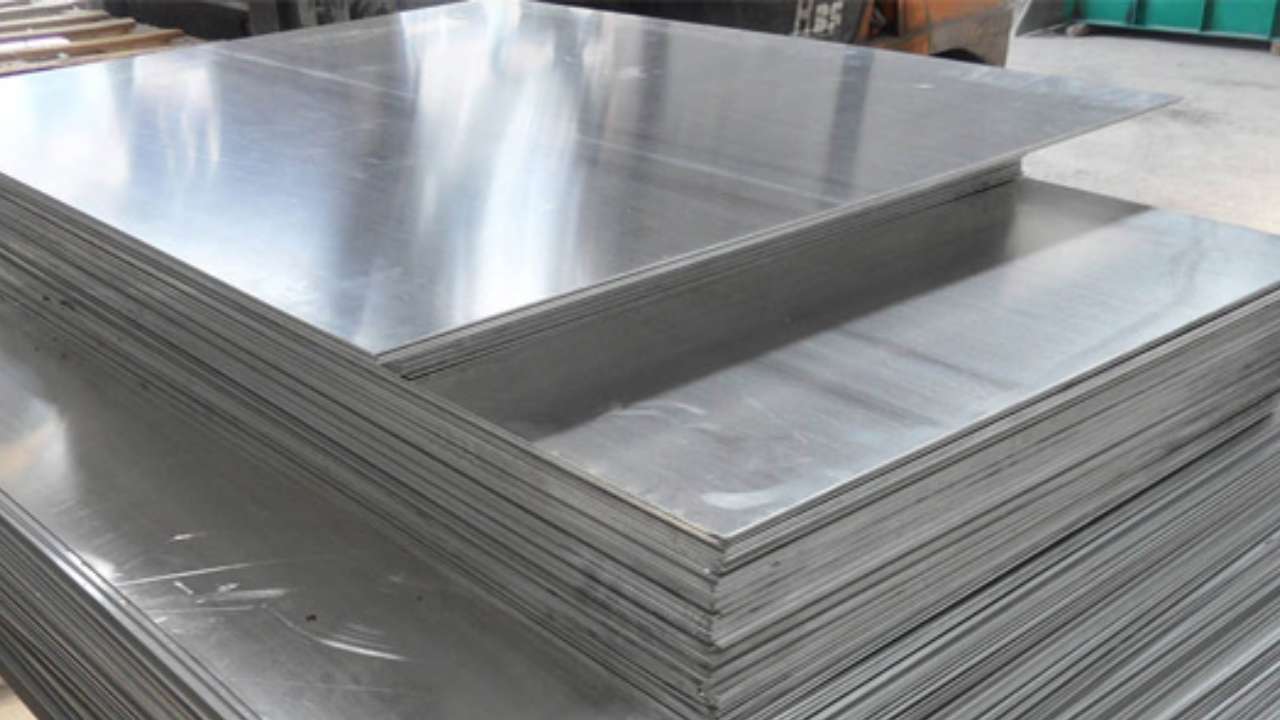
| Properties | Density | Melting Point | Thermal Conductivity | Electrical Conductivity | Thermal Expansion |
| Attributes | 2.8 g/cm³ | 475–635°C | ~135 W/m·K | ~32% IACS | ~23 µm/m·K |
o Density
Aluminum 7175 is very light, with a density of 2.8 g/cm³, which is useful for your applications requiring light materials.
o Melting Point
Since aluminum 7175’s melting point is between 475 and 635°C, you can use it in many tasks demanding moderate resistance to heat and still maintain its strength.
o Thermal Conductivity
Its thermal conductivity is 135 W/m·K, so Aluminum 7175 dissipates heat rapidly and helps you to maintain the stability of components exposed to high temperatures.
o Electrical Conductivity
The amount of IACS electrical conductivity you get is about 32%, adequate for medium electrical needs with no drop in your important mechanical qualities.
o Thermal Expansion
Having a thermal expansion coefficient of about 23 µm/m·K ensures your designs are precise because the size of the material remains precise when exposed to heat changes.
Heat Treatment and Other Processing Techniques
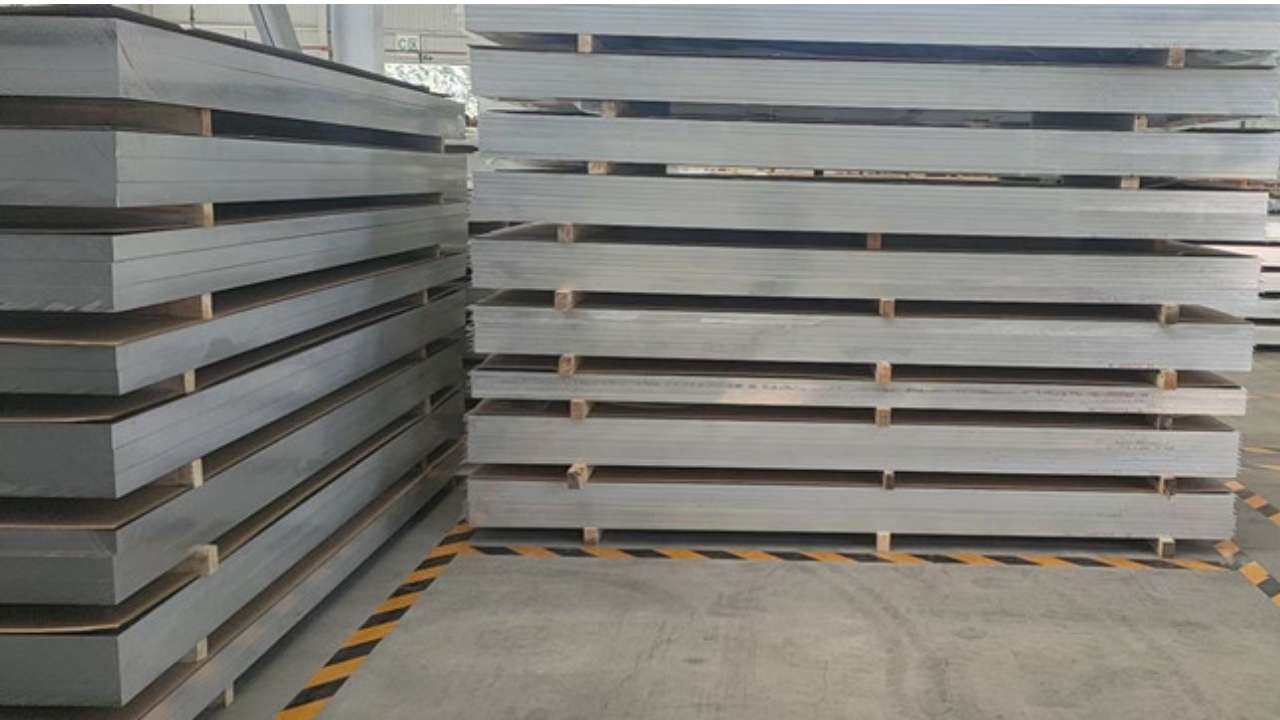
- Heat Treatment
Heat treatment processes like solution heat treatment and aging will help make your Aluminum 7175 even stronger and more durable.
- Hot Working
When you use hot working, the alloy is more flexible, which lowers stress inside it, making it less likely to crack during shaping.
- Cold Working
Through deforming materials at regular temperatures during cold working, their strength and hardness can be raised, which is crucial for your finished parts’ mechanics.
- Surface Processing
Applying anodizing or a coating to Aluminum 7175 greatly improves its resistance to corrosion and makes your components last longer.
Conclusion
Understanding how 7175 Al grade behaves and is used makes it easier to decide on and optimize this alloy for tough manufacturing projects. Rely on Hmaking’s Premium-grade Aluminum 7175 products for guaranteed quality, dependability, and top results in your advanced manufacturing.