


CNC machining has become the backbone of modern precision manufacturing — enabling engineers, product designers, and procurement teams to turn complex metal designs into high-quality, functional components with exceptional accuracy. Whether you’re developing prototypes, scaling OEM production, or sourcing custom machined metal parts, understanding the fundamentals of CNC machining is critical to achieving the right balance of performance, cost, and efficiency. This ultimate guide explores every essential aspect of CNC machining for custom metal parts — from materials and design best practices to cost optimization and supplier selection — helping you make informed decisions and build successful, long-term manufacturing partnerships.
Why CNC Machining Matters in Modern Manufacturing?
CNC machining plays a vital role in today’s precision manufacturing world. As industries demand tighter tolerances, faster production, and consistent quality, Computer Numerical Control (CNC) technology has become the foundation for creating high-performance custom metal components. From automotive engines to medical devices and robotic systems, CNC machining ensures accuracy and reliability where manual processes often fall short.
Over the past decade, the shift toward automation, global supply chain optimization, and product customization has accelerated the adoption of CNC machining. Traditional methods such as manual milling or conventional casting can no longer meet the precision, efficiency, and repeatability required by modern engineering. CNC machining provides exact replication of complex designs, real-time process control, and material flexibility—critical for industries pursuing innovation and quality consistency.
design freedom, rapid prototyping, and scalable production. It bridges the gap between design and manufacturing by converting CAD data directly into precise, ready-to-assemble parts. For manufacturers and OEMs, this means faster development cycles, lower waste, and the ability to adapt to evolving market demands.
In essence, CNC machining matters because it transforms ideas into precision-built reality—efficiently, accurately, and at scale.
Understanding Custom Metal Parts Manufacturing Needs
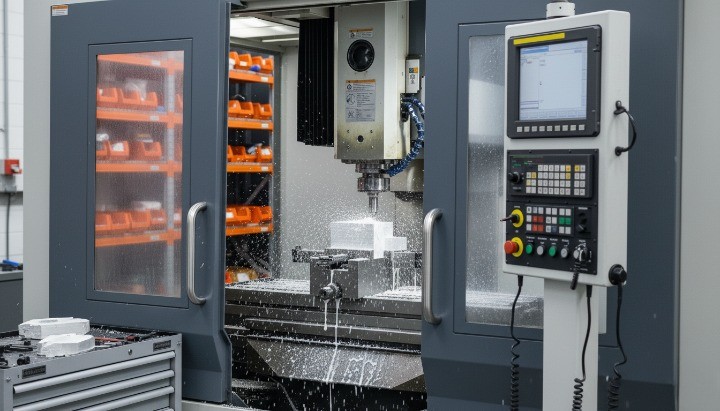
Manufacturing custom metal parts is a complex process that goes beyond shaping raw materials. Every project brings its own challenges—tight deadlines, varying material specifications, and the need for perfect dimensional accuracy. For engineers and procurement teams, achieving balance among cost, quality, and manufacturability is often difficult without a trusted machining solution.
The primary challenge lies in maintaining precision and repeatability across batches. Even a deviation of 0.01 mm can affect performance in high-stress applications like automotive assemblies or aerospace components. Manual methods struggle to ensure this level of consistency. CNC machining, however, operates with computer-controlled accuracy, ensuring every part meets the exact design intent while minimizing human error.
Another key factor is scalability. Custom metal part production often starts with prototypes but must quickly transition into full-scale manufacturing. CNC machining supports both low-volume prototypes and mass production through automated setup and flexible tooling. This helps OEMs and ODMs respond faster to market shifts and design modifications without sacrificing quality.
Furthermore, sourcing challenges—especially in global supply chains—require manufacturers to work with partners capable of providing engineering feedback, DFM (Design for Manufacturability) support, and integrated post-processing. CNC machining fulfills these needs by combining digital design precision with real-world production efficiency.
For modern buyers, CNC machining isn’t just a production method; it’s a strategic manufacturing solution that ensures precision, speed, and reliability in every stage of product development.
What Is CNC Machining and How It Works?
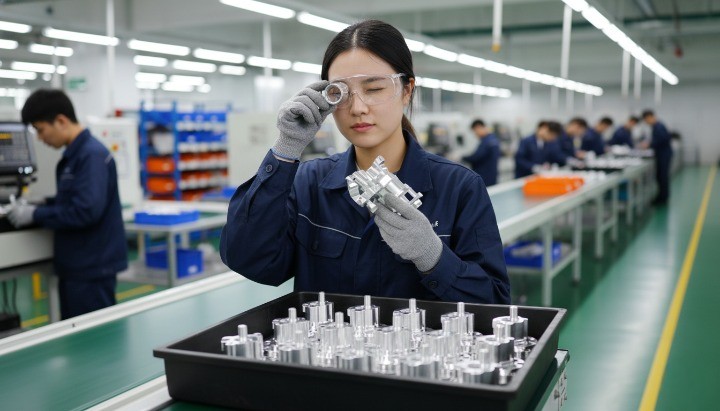
CNC machining is a manufacturing process that uses computer-controlled tools to remove material from a solid workpiece to create precise, custom-shaped parts. It is one of the most reliable and repeatable methods for producing metal and plastic components used across industries like automotive, robotics, aerospace, and electronics. By integrating digital control with mechanical precision, CNC machining delivers unparalleled accuracy, even for complex geometries or tight tolerance requirements.
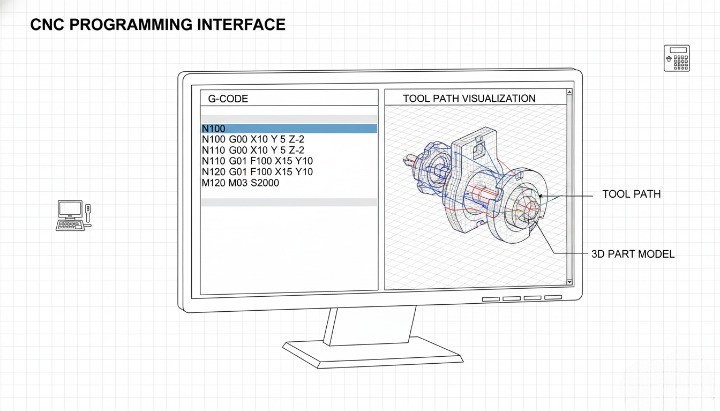
At its core, the process begins with a 3D CAD (Computer-Aided Design) model, which is converted into machine-readable code (G-code). This code guides cutting tools through defined tool paths to achieve the exact dimensions and surface finishes specified by the design. CNC machining stands out because it combines automation, speed, and precision, reducing human error while optimizing material efficiency.
Definition and Core Principles
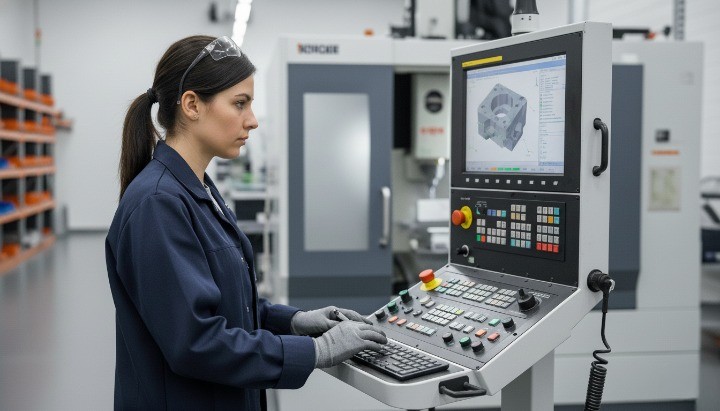
CNC machining, short for Computer Numerical Control machining, refers to a subtractive manufacturing process where tools precisely cut or shape raw material according to programmed instructions. The process operates on the principles of automation, repeatability, and multi-axis control. Unlike manual machining, where a technician controls each movement, CNC systems interpret coded commands to move tools with micron-level accuracy.
The foundation of CNC lies in three elements:
-
Digital programming — defining tool paths and machining parameters.
-
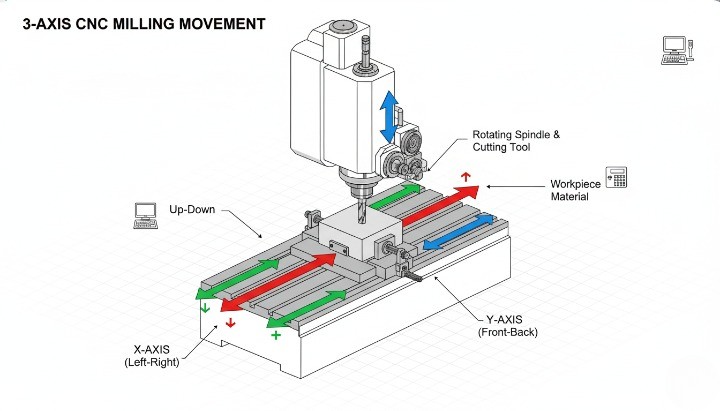
Machine motion control — coordinating movements along the X, Y, and Z axes.
-
Feedback systems — using sensors to verify positioning accuracy in real time.
These principles ensure consistent quality, regardless of operator skill or production volume. When properly implemented, CNC machining achieves tolerances as tight as ±0.005 mm—making it ideal for critical mechanical assemblies and prototype development.
Key CNC Operations: Milling, Turning, Drilling
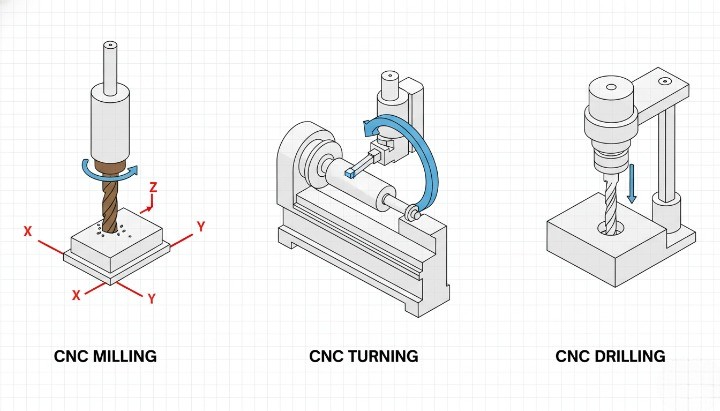
CNC machining encompasses several operations, each optimized for different shapes and material removal strategies:
-
CNC Milling – Uses rotary cutters to remove material along multiple axes, ideal for complex surfaces, slots, and cavities.
-
CNC Turning – Rotates the workpiece while a cutting tool removes material, perfect for cylindrical or symmetrical parts such as shafts or housings.
-
CNC Drilling – Creates holes or threads with high precision; often combined with tapping and reaming in one setup.
Each operation can be programmed for different materials—aluminum, steel, brass, or titanium—using specific cutting speeds and feeds. Multi-operation setups allow manufacturers to produce complete components without manual intervention, increasing speed and reducing cost.
Selecting the right CNC operation is crucial to balance performance, surface finish, and cost efficiency, especially in large-scale production or tight-tolerance parts.
Subtractive vs. Additive Manufacturing
CNC machining is a subtractive process, meaning it removes material from a block or billet to achieve the desired shape. In contrast, additive manufacturing (3D printing) builds parts layer by layer using metal or plastic feedstock. While additive manufacturing offers flexibility in prototyping, CNC machining excels in strength, accuracy, and surface finish—especially for metal parts requiring tight tolerances or structural integrity.
A balanced manufacturing approach often combines both: CNC machining for post-processing 3D printed components, ensuring precise fits, clean edges, and smoother finishes. For production-scale parts, CNC remains the preferred option for consistency and durability.
| Aspect | CNC Machining (Subtractive) | Additive Manufacturing (3D Printing) |
|---|---|---|
| Process Type | Material removal | Layer-by-layer deposition |
| Best For | High-precision metal parts | Rapid prototyping and lightweight designs |
| Surface Finish | Smooth, ready for assembly | Rougher, often requires finishing |
| Tolerance Range | ±0.005 mm | ±0.2 mm |
| Production Volume | Ideal for low to high volume | Best for prototypes or small batches |
How CNC Programming and Automation Ensure Precision?
Behind every precise CNC part lies accurate programming and intelligent automation. G-code—the machine language used to control tool movements—defines spindle speeds, feed rates, and tool paths. CAM (Computer-Aided Manufacturing) software converts CAD models into these instructions, ensuring every motion aligns with the digital design.
Modern CNC systems incorporate closed-loop feedback control, continuously monitoring tool position and cutting pressure to maintain exact tolerances. Automation also minimizes setup time by enabling tool changers, probing systems, and automated workholding. These features help manufacturers deliver faster turnaround and higher productivity with minimal downtime.
Advanced systems now integrate AI-driven process optimization and IoT-based monitoring, allowing predictive maintenance and real-time performance tracking. This fusion of precision programming and smart automation makes CNC machining the most reliable choice for producing complex metal parts at scale.
Main CNC Machining Processes for Metal Parts
CNC machining includes several core processes, each optimized for specific design requirements and material characteristics. Understanding these processes helps engineers and buyers select the most efficient and cost-effective manufacturing method. Milling, turning, multi-axis machining, and hybrid processes form the backbone of modern precision manufacturing, offering flexibility and scalability across industries.
CNC Milling — Complex Surfaces and Multi-Tool Precision
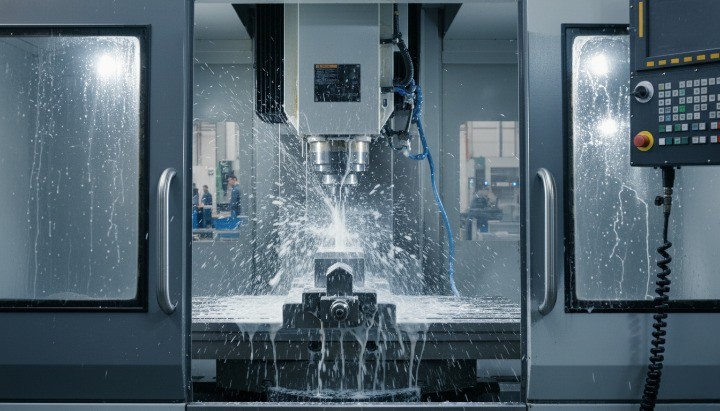
CNC milling is one of the most versatile and widely used machining processes. It involves using rotating multi-point cutting tools to remove material from a stationary workpiece. The movement occurs along multiple axes—typically X, Y, and Z—allowing for intricate shapes, grooves, and cavities to be created with high accuracy.
Milling machines are ideal for producing flat surfaces, contoured geometries, and precision slots. Multi-tool systems can switch automatically between cutters, enabling continuous machining without manual tool changes. This improves efficiency and maintains consistency throughout long production runs.
For industries such as aerospace or robotics, CNC milling ensures tight tolerances and smooth surface finishes required for assembly-ready components. Materials like aluminum and steel respond exceptionally well to this process, achieving balance between strength and machinability.
CNC Turning — High-Speed Production of Cylindrical Parts
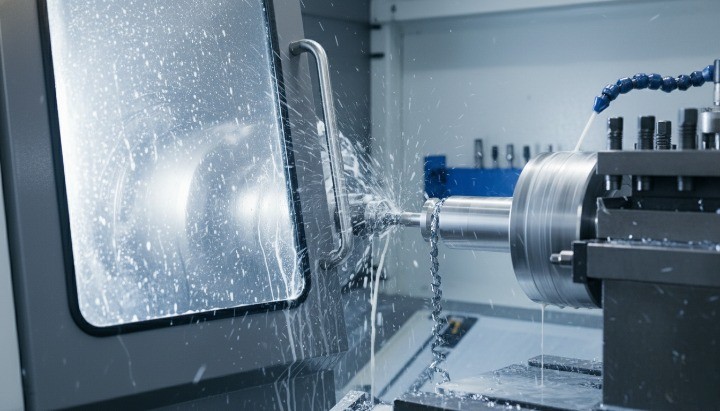
CNC turning focuses on producing rotationally symmetric components. In this process, the workpiece spins at high speed while a fixed cutting tool removes material to achieve the desired diameter and surface profile. CNC lathes are particularly efficient for creating shafts, bushings, bolts, and threaded components, where precision in roundness and concentricity is essential.
Advanced turning centers can handle multi-operation setups, including drilling, tapping, and grooving, in a single pass. This minimizes repositioning and ensures dimensional consistency. Compared with manual turning, CNC technology delivers repeatable results with less waste and faster cycle times.
Because turning generates excellent surface finishes, it is ideal for parts requiring tight fits or bearing interfaces. When combined with automated bar feeders or robotic loading systems, CNC turning becomes a high-speed solution for mass production.
Multi-Axis and 5-Axis Machining — For Complex Geometries
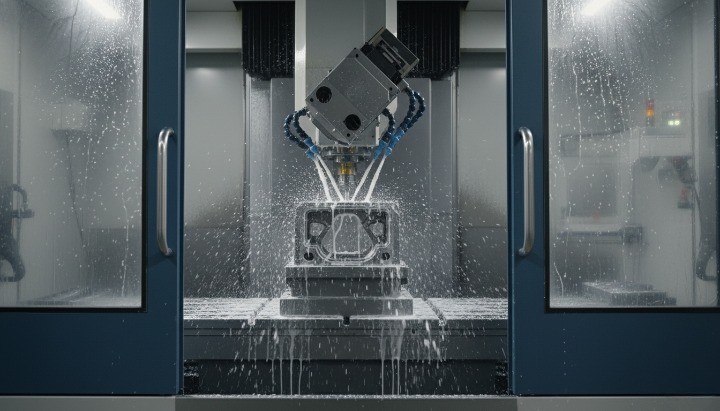
Multi-axis CNC machining expands the capabilities of conventional milling and turning by allowing simultaneous movement along more than three axes. 5-axis machining, in particular, enables cutting from virtually any direction, eliminating the need for multiple setups. This not only saves time but also enhances accuracy for complex geometries, undercuts, and curved surfaces.
Industries such as aerospace, energy, and robotics rely heavily on 5-axis machining to produce lightweight, high-strength components like turbine blades, impellers, and structural housings. The process supports high-speed cutting with reduced vibration and improved tool life, making it ideal for hard metals such as titanium or Inconel.
From a design perspective, 5-axis machining offers unmatched flexibility, translating complex 3D models directly into finished products. The result is fewer assembly operations, better performance, and superior surface integrity.
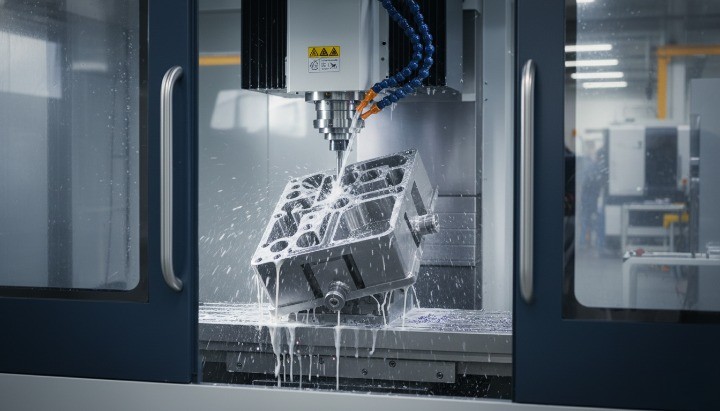
Hybrid Machining with Die Casting or EDM — Efficiency and Flexibility
Hybrid machining combines CNC processes with other manufacturing methods like die casting or Electrical Discharge Machining (EDM) to achieve both speed and precision. In hybrid production, die-cast blanks or near-net-shape parts are machined to their final dimensions, reducing raw material waste and machining time.
EDM, on the other hand, is often used alongside CNC milling for producing intricate cavities, sharp internal corners, and hard-to-reach geometries that traditional cutting tools can’t achieve. This hybrid approach offers manufacturers a competitive edge by improving part quality while minimizing cost.
For OEMs, CNC + die casting hybrid production enables large-scale component fabrication with consistent accuracy—ideal for applications like automotive housings, enclosures, and connectors. It represents a modern shift toward integrated, high-efficiency manufacturing strategies.
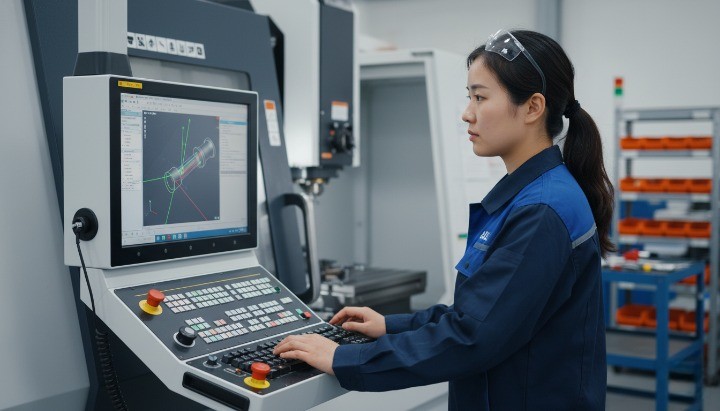
Materials for CNC Machining Metal Parts
Choosing the right material is one of the most critical decisions in CNC machining. The selection directly impacts part performance, machinability, and overall cost. Each metal behaves differently under cutting forces, tool wear, and thermal stress. By understanding the unique advantages of common materials—aluminum, steel, brass, copper, and titanium—engineers can optimize both function and manufacturing efficiency.
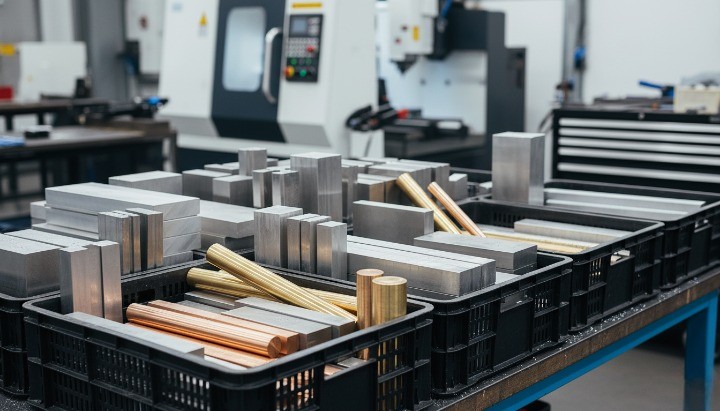
Aluminum Alloys — Lightweight and Cost-Effective
Aluminum alloys are among the most commonly used materials in CNC machining because they are lightweight, corrosion-resistant, and easy to machine. Alloys like 6061, 7075, and 2024 strike a strong balance between mechanical strength and cost efficiency, making them ideal for parts in the automotive, aerospace, and electronics industries.
Aluminum offers excellent thermal conductivity and dimensional stability, which help maintain precision even during high-speed machining. The material’s natural oxide layer also provides protection against corrosion, reducing the need for additional coatings.
Compared to other metals, aluminum’s machinability allows for shorter cycle times and reduced tool wear, resulting in faster turnaround and lower manufacturing costs.
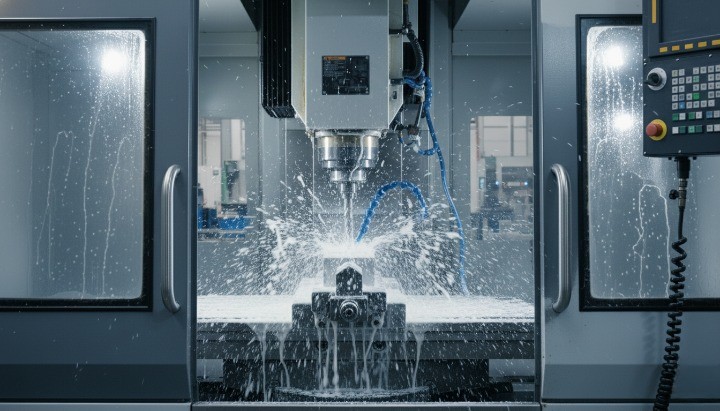
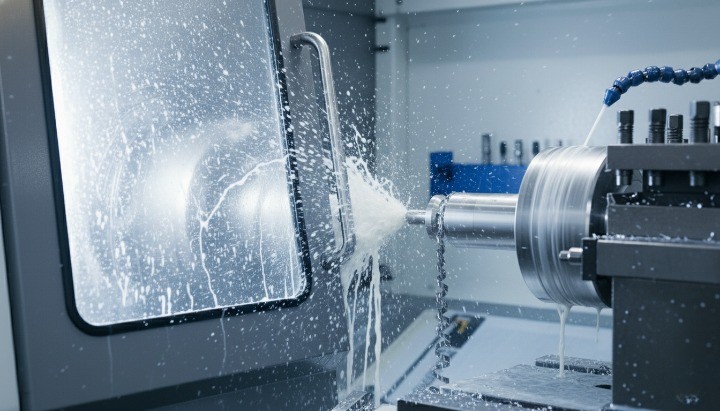
Stainless and Carbon Steel — Strength and Corrosion Resistance
Stainless steel and carbon steel are favored when high strength and durability are essential. Stainless steels such as 304, 316, and 17-4PH offer excellent corrosion resistance, making them ideal for medical, food-grade, and marine applications. Carbon steels, on the other hand, deliver superior hardness and impact resistance, often used for structural and mechanical components.
While these materials are more challenging to machine than aluminum, modern CNC technology—paired with the right tooling and cooling strategies—enables consistent precision and surface quality. Stainless steel can achieve mirror-like finishes, while carbon steel provides toughness needed for load-bearing parts.
Choosing the correct grade and heat treatment condition can significantly enhance wear resistance and performance under extreme operating conditions.
Brass and Copper — Conductivity and Aesthetic Value
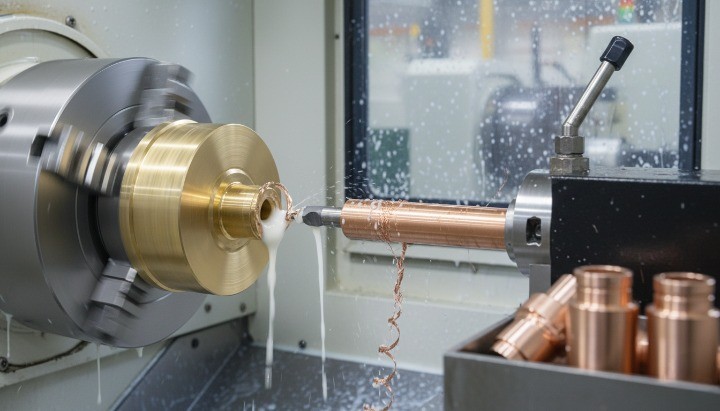
Brass and copper are prized for their excellent electrical and thermal conductivity, as well as their appealing appearance. Brass (a copper-zinc alloy) is easy to machine and delivers smooth finishes, making it ideal for fittings, connectors, and decorative components. Copper, though softer, is essential for electrical contacts, heat exchangers, and conductive components in electronics and energy systems.
These materials allow tight tolerances and sharp detailing, while their corrosion resistance ensures long-term reliability. Copper’s antimicrobial properties also make it suitable for medical and sanitary equipment.
However, copper’s softness can lead to tool wear and longer machining cycles, so optimized tool paths and cooling strategies are critical to maintain accuracy and extend tool life.
Titanium and Other High-Performance Metals — For Demanding Applications
Titanium stands out as a high-strength, low-weight metal widely used in aerospace, defense, medical, and high-performance automotive components. It offers exceptional corrosion resistance, biocompatibility, and fatigue strength, but it is notoriously difficult to machine due to its hardness and heat resistance.
CNC machining of titanium requires high spindle torque, specialized cutting tools, and controlled feed rates. While it increases production cost, the resulting parts deliver unmatched performance under extreme temperatures and stress.
Other advanced alloys—such as Inconel, Monel, and Hastelloy—are also used for critical components exposed to heat, pressure, or corrosive environments. These superalloys demand multi-axis CNC and adaptive control systems to maintain precision without compromising tool integrity.
How to Choose the Right Material for Performance and Cost?
Selecting the right material requires evaluating mechanical properties, environmental conditions, and production goals. Engineers typically balance three key factors:
-
Performance — Strength, weight, and corrosion resistance according to application.
-
Machinability — Tool wear rate, surface finish quality, and cycle time.
-
Cost — Material price, availability, and finishing requirements.
The table below summarizes how different materials compare across key metrics:
| Material | Strength-to-Weight Ratio | Corrosion Resistance | Machinability | Relative Cost |
|---|---|---|---|---|
| Aluminum 6061 | High | Good | Excellent | Low |
| Stainless Steel 316 | High | Excellent | Moderate | Medium |
| Brass | Medium | Good | Excellent | Medium |
| Copper | Medium | Excellent | Fair | High |
| Titanium | Very High | Excellent | Difficult | High |
By collaborating with a skilled CNC manufacturer, you can leverage engineering consultation and DFM (Design for Manufacturability) expertise to select the best material for your specific performance and cost requirements.
Design for Manufacturability (DFM) in CNC Machining
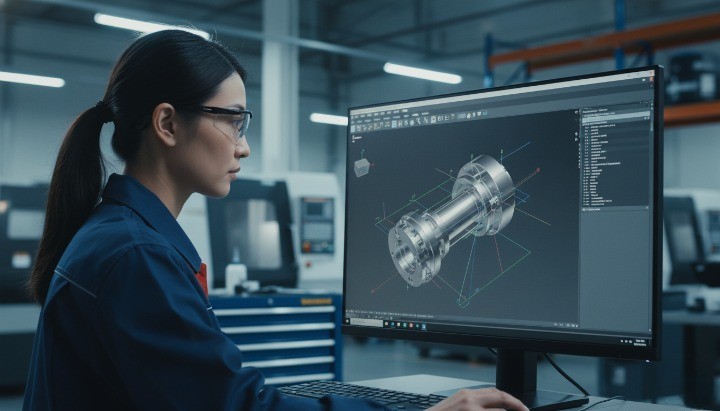
Design for Manufacturability (DFM) is the bridge between engineering creativity and production efficiency. It ensures that your CAD models can be transformed into high-quality, cost-effective CNC machined parts without unnecessary complexity or waste. By integrating DFM early in the design phase, engineers can significantly reduce machining time, tool wear, and material waste — leading to faster production cycles and lower costs.
For OEM and ODM projects, DFM is not optional; it is essential. It transforms a theoretical design into something practical, ensuring every feature — from wall thickness to tolerances — is achievable with precision and repeatability.
Why DFM Matters for Custom Projects?
Custom CNC projects often involve unique geometries, tight tolerances, and diverse material requirements. Without proper DFM, these elements can quickly become production bottlenecks. DFM helps identify potential issues before machining begins, such as tool accessibility, fixturing limitations, and unnecessary design complexity.
A well-optimized design reduces machining passes, simplifies setups, and extends tool life. This means lower costs and faster delivery without compromising precision. For example, removing deep narrow pockets or rethinking tight-radius corners can drastically shorten machining time.
Incorporating DFM early allows engineers and machinists to collaborate on achieving the best balance between design intent, functionality, and manufacturability.
Geometry and Tool Access Optimization
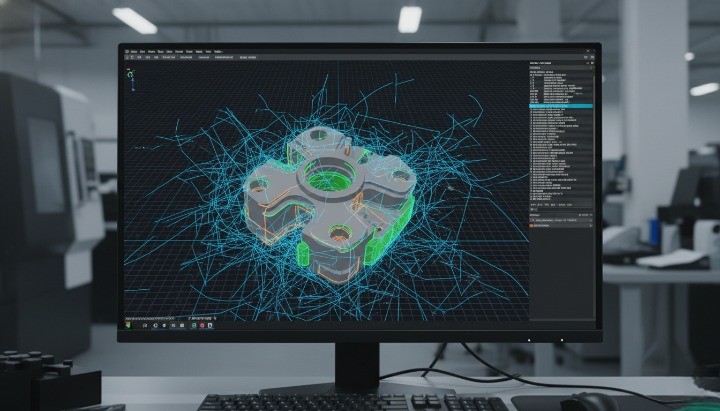
One of the most common DFM challenges in CNC machining is tool access. If a tool cannot reach an area easily or must remove too much material at once, it increases cycle time, tool wear, and risk of inaccuracy.
Designers should ensure that part geometries are optimized for standard tool sizes and approach angles. For example:
-
Maintain open tool paths wherever possible.
-
Avoid overly deep cavities that require long, flexible cutters.
-
Ensure all features can be machined using available tool diameters.
Additionally, minimizing unnecessary undercuts and overhangs simplifies machining and improves consistency. Proper fixturing and workpiece orientation are also vital for stability and repeatability.
Efficient geometry equals efficient machining. It reduces reprogramming and ensures that the final part matches the CAD model perfectly.
Wall Thickness, Fillets, and Hole Design Best Practices
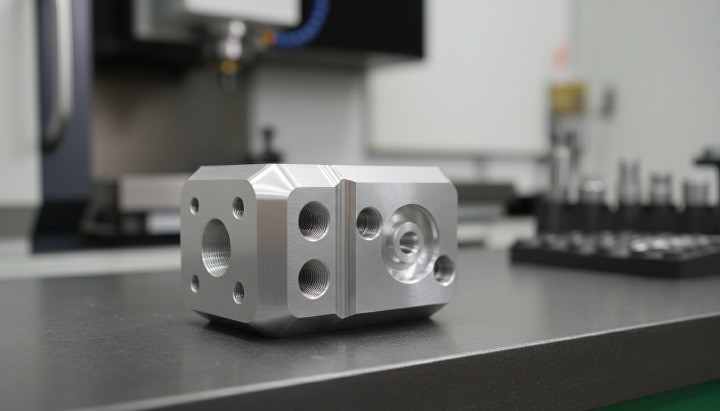
Wall thickness, fillets, and hole designs are critical in maintaining part strength, dimensional stability, and machining accuracy.
-
Wall Thickness: Avoid excessively thin walls (<1 mm for metals), as they can vibrate or deform during machining. Thicker walls provide stability and reduce chatter.
-
Fillets: Sharp internal corners are difficult to machine; adding fillets with appropriate radii helps the cutting tool move smoothly and prevents stress concentration.
-
Holes: For drilled features, maintain a hole depth-to-diameter ratio below 6:1 for accuracy and chip evacuation.
These small design adjustments can reduce tool stress, prevent breakage, and improve part quality. Many OEMs adopt standardized DFM design rules to ensure consistency and compatibility across multiple suppliers.
Tolerances and Critical Dimensions in CNC Design
Tolerances define how much deviation from nominal dimensions is acceptable for a given feature. In CNC machining, tighter tolerances mean more machining time and higher cost. Understanding which features truly need high precision helps control both quality and budget.
Common tolerance ranges include:
-
±0.01 mm for high-precision assemblies (aerospace, robotics)
-
±0.05 mm for general engineering parts
-
±0.1 mm for non-critical or cosmetic components
Designers should specify tight tolerances only where necessary — such as mating surfaces, fits, or moving parts. Over-specifying tolerances across the board can increase setup time, inspection costs, and scrap rates.
Modern CNC systems, equipped with CMM inspection and digital feedback loops, can achieve micron-level precision when designs are properly optimized.

Common Design Mistakes That Increase Machining Costs
Even well-designed parts can become costly if small details are overlooked. Some common errors include:
-
Unnecessary tight tolerances where standard fits would suffice.
-
Deep, narrow pockets that require long-reach tools and multiple passes.
-
Sharp internal corners increasing tool wear and machining time.
-
Overly complex geometries that demand multiple setups.
-
Lack of standardization in threads, holes, or fits.
Each of these factors increases tool changes, programming time, and production risk. The best approach is to collaborate with your CNC manufacturer early in the design stage. At HM, for example, our engineers provide DFM feedback and simulation before machining begins, ensuring parts are both functional and cost-efficient.
Precision and Quality in CNC Machining
Precision and quality are the defining characteristics of CNC machining. In industries like automotive, aerospace, robotics, and medical, where even microns can make a difference, maintaining consistent accuracy is not optional — it’s essential. CNC machining achieves this through advanced equipment, strict process control, and systematic quality assurance.
For buyers and engineers, understanding how tolerances, surface finishes, and inspection standards affect part quality is key to achieving both functional and aesthetic excellence. A well-controlled machining process ensures reliability, repeatability, and customer trust.

Understanding Tolerances and Surface Finishes
Tolerances define how close a machined part must be to its nominal dimensions, while surface finish refers to the texture or smoothness of that part. In CNC machining, tight tolerances and superior finishes directly influence performance, assembly fit, and product longevity.
Standard tolerance grades for CNC machining generally range from ±0.005 mm for high-precision applications to ±0.05 mm for standard engineering parts. Surface finish quality, measured in Ra (Roughness Average), varies by process:
-
Ra 0.2–0.4 µm for fine grinding or lapping
-
Ra 0.8–1.6 µm for CNC milling
-
Ra 3.2 µm for rough turning or drilling
Achieving these finishes depends on tool condition, feed rate, spindle speed, and material type. Balancing tolerance precision with manufacturability helps prevent excessive cost without compromising quality.

Fixture Setup, Tool Path, and Accuracy
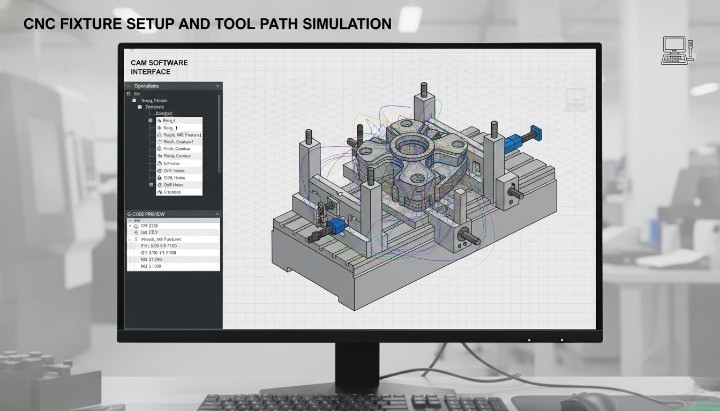
Accuracy in CNC machining begins long before the first cut — it starts with proper fixturing, precise toolpath programming, and rigid machine setup. Fixtures must hold the workpiece firmly without distortion, allowing consistent tool access and alignment. Poor fixturing can cause chatter, misalignment, or dimensional drift, leading to rejected parts.
Modern CAM (Computer-Aided Manufacturing) systems simulate tool paths in advance, identifying potential collisions or overcuts. Multi-axis machines use adaptive control systems to adjust tool movement in real time, compensating for vibration or thermal expansion.
The combination of rigid setups and optimized tool paths ensures consistent precision from the first prototype to the final production batch. For complex parts, multiple setups are minimized using 5-axis machining or palletized systems that maintain alignment throughout machining cycles.
Inspection and Measurement Tools (CMM, Optical, Laser)
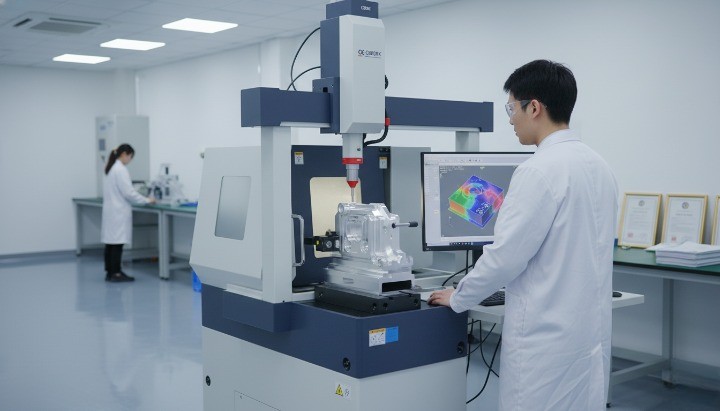
Ensuring quality goes beyond machining; it requires precise measurement and verification. Advanced inspection technologies such as CMM (Coordinate Measuring Machines), optical scanners, and laser measurement systems verify that each part meets dimensional and surface specifications.
-
CMMs provide micron-level measurement for critical features, using probes that trace surfaces in 3D.
-
Optical inspection systems are ideal for fragile or reflective parts, offering non-contact evaluation.
-
Laser scanners quickly capture complex geometries and are widely used for reverse engineering or quality validation.
These systems generate digital inspection reports, ensuring traceability and process transparency — crucial for industries governed by strict quality standards. Integrating inspection data into production feedback loops helps continuously improve machining accuracy.
Quality Standards and Certifications (ISO 9001, IATF 16949)
To ensure consistency and global compliance, professional CNC manufacturers adhere to recognized quality management systems (QMS). Certifications such as ISO 9001 and IATF 16949 define the framework for continuous improvement, customer satisfaction, and risk-based quality control.
-
ISO 9001 focuses on general quality management and customer satisfaction across all industries.
-
IATF 16949, specific to the automotive sector, emphasizes defect prevention, traceability, and process optimization.
Other relevant standards may include ISO 13485 (medical devices) and AS9100 (aerospace), ensuring products meet stringent regulatory requirements. Working with a certified CNC partner provides assurance of documented quality processes, supplier audits, and performance validation at every stage.
At HM, we implement a multi-step inspection workflow — from raw material verification to final CMM reporting — to maintain global quality standards and client confidence.

Surface Finishing and Post-Processing
Surface finishing and post-processing are the final steps that transform a CNC-machined part into a ready-to-use product. Beyond appearance, surface treatments enhance corrosion resistance, durability, and performance under demanding conditions. For industries like automotive, electronics, and medical devices, choosing the right finish determines not only aesthetics but also functionality and longevity.
A well-executed surface treatment ensures the part meets specific mechanical, electrical, and environmental requirements while maintaining tight tolerances. Whether through anodizing, coating, or polishing, each finishing method provides a unique balance of protection and visual appeal.

Anodizing and Plating
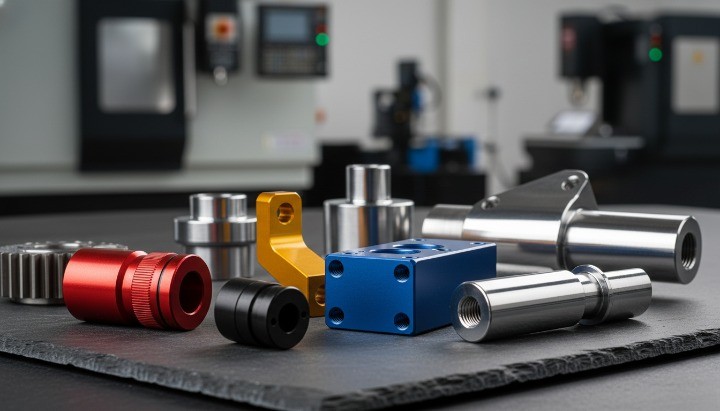
Anodizing is a common electrochemical process used for aluminum parts to increase corrosion resistance and surface hardness. It also enhances paint adhesion and aesthetic versatility, allowing color customization for branding or identification. Hard anodizing (Type III) creates a thicker oxide layer suitable for aerospace, defense, and high-wear components, while decorative anodizing (Type II) focuses on appearance and moderate protection.
Plating, on the other hand, deposits a metal coating — such as nickel, chrome, or zinc — onto the surface of the workpiece. Nickel plating improves wear resistance, chrome provides a mirror-like finish, and zinc protects steel components against oxidation. Plating is ideal for enhancing conductivity or creating a corrosion-resistant barrier on parts exposed to harsh environments.
Both processes help extend the lifespan of CNC machined parts while meeting specific performance requirements.
Powder Coating and Painting
Powder coating offers a durable, uniform, and environmentally friendly surface finish. The process involves applying electrostatically charged powder to the part and curing it under heat to form a hard, protective layer. Powder coatings are thicker and more impact-resistant than traditional paints, making them ideal for automotive parts, outdoor enclosures, and machinery housings.
Painting, while more traditional, remains popular for projects requiring custom colors, textures, or branding finishes. High-quality industrial paints can achieve excellent UV and corrosion protection when applied with proper surface preparation.
Both methods improve aesthetics and environmental resistance while maintaining dimensional accuracy — especially when applied after final machining and inspection.
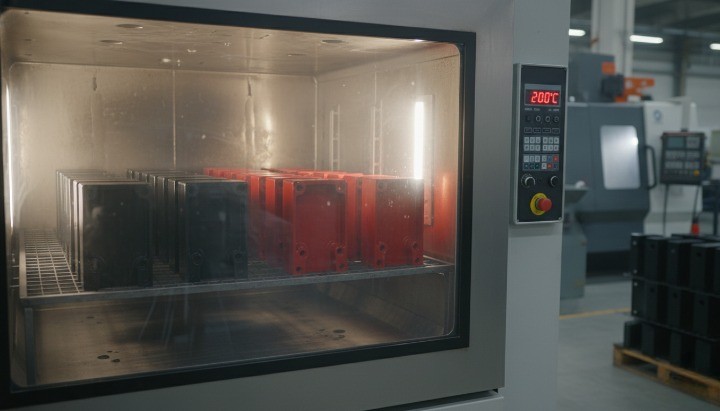
Polishing, Sandblasting, and Brushing
Mechanical finishing methods like polishing, sandblasting, and brushing refine both the look and feel of CNC machined parts.
-
Polishing delivers a smooth, reflective surface by gradually removing fine imperfections. It is often used for stainless steel, brass, and decorative aluminum components.
-
Sandblasting (or bead blasting) uses high-pressure media to create a uniform matte texture, ideal for concealing machining marks.
-
Brushing produces linear grain patterns that enhance aesthetics without high reflectivity — commonly used in consumer electronics and decorative metal panels.
These methods are often combined with chemical finishes like anodizing or plating for enhanced protection. The right combination improves both appearance and durability, ensuring the product aligns with brand and performance standards.
Choosing the Right Finish for Function and Aesthetics
Selecting the right surface finish depends on the part’s function, operating environment, and design intent. Engineers should evaluate:
-
Corrosion and wear resistance — for components exposed to moisture or chemicals.
-
Thermal and electrical conductivity — critical for electronic housings and heat sinks.
-
Aesthetic and branding requirements — color, gloss, or texture for consumer-facing products.
-
Dimensional precision — accounting for coating thickness and its effect on tolerances.
The table below summarizes key finishes and their ideal applications:
| Finish Type | Primary Benefit | Best For | Durability |
|---|---|---|---|
| Anodizing | Corrosion protection + aesthetics | Aluminum parts | High |
| Plating (Nickel/Chrome/Zinc) | Wear and corrosion resistance | Steel components | High |
| Powder Coating | Impact resistance and color finish | Machinery, enclosures | Very High |
| Painting | Aesthetic flexibility | Consumer or custom designs | Moderate |
| Polishing / Brushing | Visual appeal and smoothness | Decorative metals | Medium |
Partnering with a CNC manufacturer offering integrated finishing services streamlines production and ensures consistent quality. At HM, surface treatment is part of our one-stop manufacturing approach, combining precision machining with post-processing and assembly.
CNC Machining Cost Breakdown and Optimization
Cost is one of the most critical factors influencing manufacturing decisions in CNC machining. While clients often focus on unit price, the true cost structure depends on multiple interconnected variables — including materials, tooling, machine setup, tolerances, and production volume. Understanding these elements helps procurement teams and engineers make informed choices that balance quality, performance, and budget.
A transparent cost analysis enables better project planning, supplier comparison, and ROI assessment, ensuring every dollar spent contributes to measurable product value.
Material and Tooling Costs
Material selection directly affects both raw material costs and machining efficiency. High-performance metals like titanium and Inconel cost more per kilogram and also demand slower cutting speeds, increasing tool wear and cycle time.
Typical material price ranges (approximate):
-
Aluminum: low cost and fast machining speed.
-
Stainless steel: medium cost with moderate machinability.
-
Titanium: high cost and slower removal rates.
Tooling also plays a vital role. Premium carbide tools, coated inserts, and specialized cutters extend tool life but increase upfront costs. However, they often lower the total cost per part through longer lifespan and fewer replacements.
Balancing material performance and tooling investment is key to cost-effective CNC production. Selecting materials optimized for machinability can reduce total costs by 10–30% without compromising strength or finish.

Machining Time, Setup, and Complexity
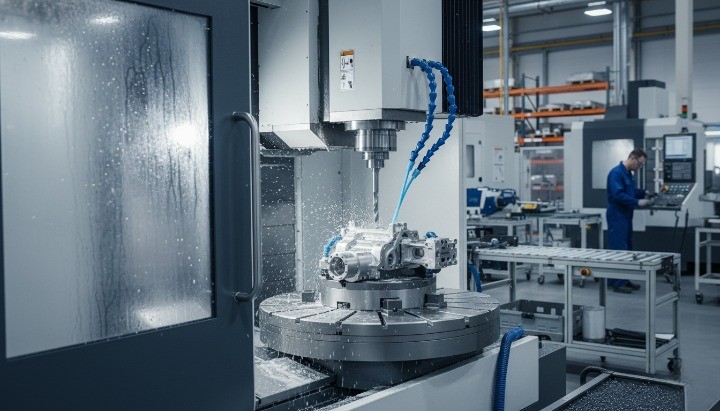
Machining time is the largest single driver of CNC cost. Every additional pass, tool change, or setup adds labor and machine runtime costs. Complex parts with intricate geometries, undercuts, or multiple operations require longer programming and machining hours.
Setup time — including fixture alignment and part calibration — affects short production runs the most. For example, a prototype may take two hours to set up and only ten minutes to machine. Therefore, for small batches, setup efficiency and process planning are crucial to keeping unit costs manageable.
CNC manufacturers use automated tool changers, pallet systems, and digital setup verification to minimize downtime and increase throughput.
Simplifying geometry, reducing unnecessary features, and using multi-axis machining to complete parts in fewer setups are practical ways to optimize time and cost.
Impact of Tolerances and Surface Finish on Pricing
While tight tolerances and fine finishes enhance part performance, they also significantly raise machining costs. Achieving ±0.005 mm accuracy requires slower cutting speeds, frequent inspections, and precision-grade tooling. Similarly, high-end surface finishes (Ra < 0.8 µm) involve additional polishing or grinding steps.
The relationship between tolerance and cost can be summarized as follows:
| Tolerance Level | Typical Cost Impact | Application |
|---|---|---|
| ±0.1 mm | Standard (Baseline) | General parts and housings |
| ±0.05 mm | +10–20% | Functional mechanical components |
| ±0.01 mm | +40–60% | High-precision or mating assemblies |
A practical approach is to apply tight tolerances only where necessary — such as in critical fits, bearings, or sealing surfaces — while relaxing others. Similarly, specify cosmetic finishes only on visible areas. These strategic adjustments can lower total project costs by 15–25% without affecting performance.
Strategies to Reduce Cost While Maintaining Quality
Cost reduction in CNC machining doesn’t mean compromising quality — it’s about engineering smarter. The following strategies consistently deliver savings while ensuring precision:
-
Apply DFM principles early to eliminate unnecessary complexity.
-
Standardize materials and tool sizes to reduce procurement and setup costs.
-
Leverage batch production for repeat orders to amortize programming time.
-
Use modular fixtures and automated changers for fast transitions.
-
Combine machining and secondary processes (e.g., CNC + die casting).
In addition, choosing a supplier with integrated services — machining, finishing, and assembly — eliminates subcontracting delays and quality inconsistencies. Such consolidation reduces logistics costs and improves turnaround time.
At HM, process engineers regularly review part designs for manufacturing efficiency and tooling optimization, ensuring clients achieve cost-effective precision at every scale.
Prototype vs. Mass Production Considerations
The economics of CNC machining shift dramatically between prototype and mass production stages.
-
Prototyping emphasizes flexibility and design validation. It often involves small quantities, manual inspection, and multiple design iterations — resulting in higher per-unit costs.
-
Mass production, in contrast, benefits from automation, standardized setups, and tool optimization, which reduces per-part costs by up to 70% once production stabilizes.
For clients scaling up from prototypes, choosing a CNC partner that supports both phases is vital. This ensures seamless transition from design validation to full-scale production without requalification delays or quality drift.
HM offers prototype-to-production continuity with the same precision standards, giving customers faster lead times and consistent quality across every stage of manufacturing.

How to Choose the Right CNC Machining Partner?
Selecting the right CNC machining partner is not only about price — it’s about finding a long-term, technically capable, and quality-driven manufacturer that aligns with your project goals. The ideal partner combines advanced equipment, engineering expertise, robust quality systems, and efficient communication to deliver precision parts consistently and on time.
Whether for OEM, ODM, or custom production, the right choice determines project success, cost-effectiveness, and supply chain reliability. Let’s explore the essential factors to consider when evaluating a CNC machining supplier.
Technical Capabilities and Equipment
A machining partner’s technical capability defines what they can — and cannot — produce. Modern CNC equipment enables tighter tolerances, smoother finishes, and faster turnaround times. Look for suppliers with:
-
3-axis, 4-axis, and 5-axis machining centers for flexible geometries.
-
High-speed milling and precision turning machines for complex materials.
-
Multi-tasking lathes and automated pallet systems for continuous production.
-
CAD/CAM integration for accurate digital manufacturing.
The range of materials they handle (aluminum, steel, titanium, brass, etc.) and their familiarity with specific industries (automotive, medical, robotics) are equally important. Equipment diversity ensures your partner can scale production from prototypes to high-volume runs without quality loss.

Engineering and DFM Support
A great CNC partner doesn’t just produce parts — they collaborate on design improvement. Design for Manufacturability (DFM) support ensures your components can be made efficiently and cost-effectively while maintaining performance.
Key DFM capabilities to look for include:
-
Feedback on tolerances and material choices to reduce unnecessary precision costs.
-
Optimization of wall thickness and tool access to minimize setup complexity.
-
Simulation and prototype testing for early validation.
Engineering teams that provide 3D model analysis and CAD/CAM feedback can prevent costly rework before production begins. This partnership-driven approach shortens lead times and ensures every design is production-ready.
A machining supplier with in-house DFM expertise becomes an extension of your engineering team, not just a vendor.
Certifications and Quality Assurance
Quality certifications serve as proof that a CNC supplier maintains consistent manufacturing standards and adheres to recognized international systems. The most reputable partners operate under ISO 9001, IATF 16949, or AS9100 frameworks, depending on the industry.
These certifications validate:
-
Documented process control and traceability.
-
Routine calibration and inspection procedures.
-
Continuous improvement and defect prevention systems.
Additionally, verify the use of CMM inspection, statistical process control (SPC), and material traceability documentation. Working with a certified partner ensures compliance, accountability, and product integrity from batch to batch.
At HM, we maintain ISO 9001 and IATF 16949 certifications, providing peace of mind to clients in automotive, electronics, and industrial sectors.
Communication and Project Management Efficiency
Timely and transparent communication is what separates an average CNC supplier from a strategic manufacturing partner. Clear project management and digital tracking systems help avoid delays, miscommunication, and costly errors.
Look for suppliers who:
-
Provide project timelines, milestone tracking, and progress updates.
-
Offer multi-channel communication (email, video calls, shared dashboards).
-
Assign dedicated account or project managers for faster response.
-
Use ERP or MES systems for order traceability and real-time updates.
Efficient communication ensures your specifications are met exactly, revisions are handled promptly, and deliveries stay on schedule. In global manufacturing, responsiveness is as valuable as precision.
One-Stop Solutions: Machining + Die Casting + Finishing + Assembly
In today’s fast-paced manufacturing environment, consolidation is key. A CNC partner that offers end-to-end services — from machining and die casting to surface finishing and assembly — provides major advantages:
-
Reduced lead time by eliminating inter-supplier coordination.
-
Consistent quality control across all stages of production.
-
Simplified logistics and lower overall project management overhead.
-
Streamlined prototyping-to-production transition.
For example, a single provider can machine aluminum housings, anodize them, and assemble final units under one roof — ensuring dimensional alignment and cosmetic consistency.
At HM, our one-stop CNC manufacturing model integrates precision machining, die casting, finishing, and assembly, helping clients shorten product cycles and enhance reliability from concept to delivery.
Applications of CNC Machining
CNC machining serves as the backbone of modern industrial manufacturing, providing the precision, scalability, and flexibility needed across a wide range of sectors. Its ability to produce parts with tight tolerances and consistent quality makes it indispensable in automotive, robotics, electronics, medical, and energy applications.
Each industry benefits from CNC’s strengths in accuracy, repeatability, and material versatility, supporting everything from functional prototypes to high-volume production. Below are the primary industrial applications where CNC machining plays a critical role.
Automotive — Engine Housings, Brackets, Transmission Parts
The automotive industry relies heavily on CNC machining for engine, drivetrain, and chassis components that demand extreme precision and durability. Parts like engine housings, transmission cases, and suspension brackets are produced through CNC milling, turning, and die-casting integration.
CNC technology ensures tight tolerances for mating surfaces, reducing vibration, improving performance, and extending part life. Moreover, the ability to handle materials such as aluminum, steel, and titanium makes CNC machining ideal for lightweighting strategies in EV and hybrid vehicles.
Many manufacturers now use CNC-machined molds and fixtures for assembly alignment and quality validation, further improving process reliability.

Robotics — Frames, Joints, Precision Fittings
In the robotics sector, every component must deliver mechanical precision and lightweight durability. CNC machining is essential for producing frames, joints, gear housings, and sensor mounts, where even slight dimensional errors can cause misalignment or motion failure.
Machined aluminum and titanium components are favored for their strength-to-weight ratio and rigidity. CNC processes allow engineers to experiment with complex geometries and integrated channels for cable routing or heat dissipation.
As industrial and collaborative robots become more compact and capable, multi-axis CNC machining supports the design of intricate assemblies that maintain stability and efficiency in operation.

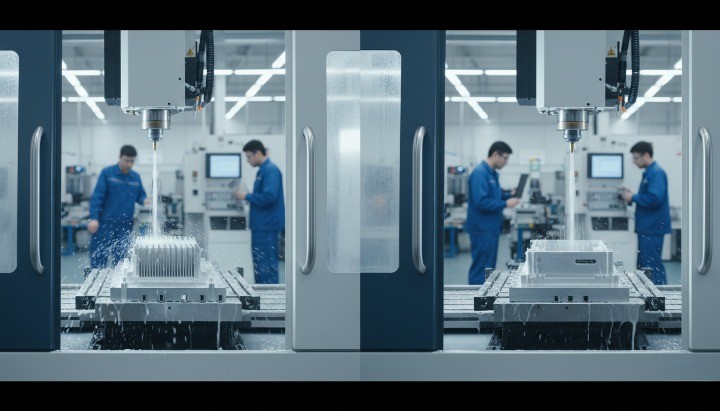
Electronics — Heat Sinks, Enclosures, Connectors
CNC machining plays a vital role in the electronics industry, particularly for thermal management and structural components. Common products include heat sinks, aluminum housings, connectors, and precision enclosures used in high-performance computing, telecommunications, and consumer devices.
Compared with die casting, CNC machining provides superior surface finish and thermal conductivity, making it ideal for electronic housings that must also serve as cooling systems.
CNC precision ensures tight dimensional tolerances for connector interfaces and PCB mount points, critical to maintaining electrical reliability and minimizing interference.
Medical — Surgical Tools, Implant Housings
CNC machining meets the stringent quality and safety standards required in the medical device industry. It is widely used to produce surgical tools, orthopedic implants, housings for diagnostic devices, and dental components.
Materials like titanium, stainless steel, and medical-grade aluminum are commonly used for their biocompatibility and corrosion resistance. CNC machining ensures every component meets the tight tolerances and surface smoothness essential for medical performance and sterilization.
Additionally, CNC allows rapid prototyping of new device designs for regulatory testing, helping manufacturers accelerate R&D and FDA approval timelines.

Energy and Industrial Equipment — Shafts, Valves, Housings
CNC machining plays a critical role in the energy, oil & gas, and heavy machinery sectors, where components must endure high loads, pressure, and temperature fluctuations. Typical parts include turbine blades, shafts, hydraulic valves, flanges, and precision housings.
These parts often require 5-axis machining for intricate internal geometries and tough material handling, such as stainless steel, Inconel, or carbon steel. CNC’s consistency ensures safety and reliability in high-stress environments, from power generation to offshore platforms.
Energy manufacturers also benefit from CNC’s ability to repair and remanufacture critical parts with exact precision, extending equipment lifespan and reducing downtime.

The Future of CNC Machining
The CNC machining industry is entering a new era shaped by digital transformation, artificial intelligence, and sustainability. As global manufacturing shifts toward smarter and cleaner production, CNC machining remains at the center of innovation — driving higher precision, shorter lead times, and optimized resource usage.
Future-ready manufacturers are integrating automation, data-driven insights, and eco-friendly practices into their production systems to enhance competitiveness and efficiency. The following trends define how CNC machining will continue to evolve in the coming decade.
Automation and Smart Manufacturing
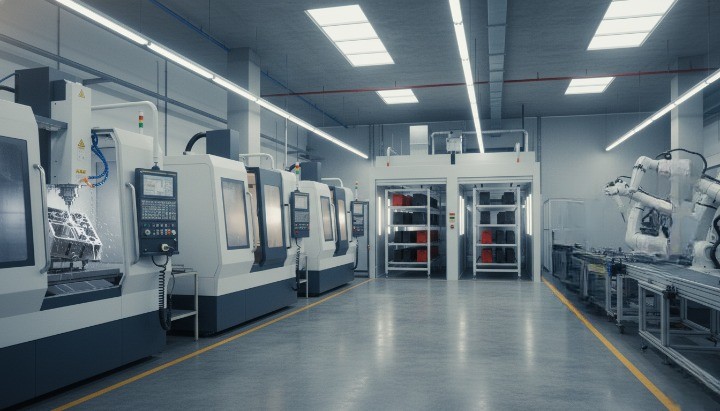
Automation is redefining CNC machining by integrating robotics, machine learning, and IoT (Internet of Things) technologies. Smart factories use automated systems for tool changes, part loading, and quality inspection, reducing human intervention while improving consistency.
Lights-out machining — where CNC machines operate autonomously overnight — is becoming increasingly common in advanced facilities. This allows manufacturers to increase throughput without expanding labor hours, improving cost-efficiency and productivity.
Moreover, real-time data exchange between machines and control systems enables predictive maintenance, minimizing downtime and maximizing equipment life.
For global OEMs and suppliers, automation not only enhances output but also ensures precision across complex, multi-plant production networks.

AI-Driven Toolpath Optimization
Artificial Intelligence (AI) is revolutionizing CNC programming by optimizing toolpaths in real time. Through machine learning, AI systems can analyze material behavior, tool wear, and machining patterns to generate more efficient cutting paths — reducing cycle times and improving surface finishes.
AI-driven CAM (Computer-Aided Manufacturing) software continuously learns from past jobs, adjusting parameters like feed rate, spindle speed, and tool engagement for maximum precision with minimal waste.
This shift from static programming to adaptive machining results in:
-
Up to 25% shorter machining cycles,
-
Lower tool consumption, and
-
Improved consistency across production runs.
In short, AI transforms CNC machining into a self-optimizing process that adapts dynamically to achieve peak performance.
Digital Twin and Real-Time Production Monitoring
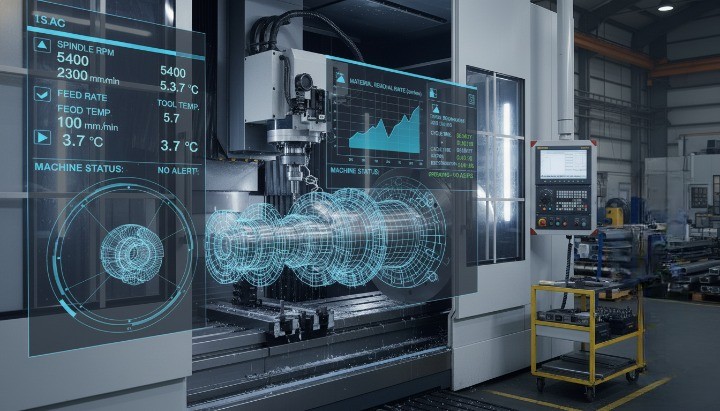
The Digital Twin concept — a virtual replica of a physical manufacturing system — is transforming how CNC operations are managed and optimized. By mirroring real-time data from sensors, machines, and ERP systems, manufacturers can simulate, analyze, and optimize production before physical machining even begins.
Digital twins allow engineers to predict tool wear, detect collisions, and optimize production flow without disrupting live operations. This enables faster prototyping, reduced scrap, and predictive quality assurance.
Combined with IoT-enabled monitoring, production teams can track machine performance remotely, ensuring optimal uptime and energy efficiency.
As industries embrace Industry 4.0, digital twins will become essential tools for real-time decision-making and continuous improvement in CNC environments.
Sustainable and Energy-Efficient Machining Practices
Sustainability is emerging as a defining priority for the future of CNC machining. Manufacturers are now focusing on reducing carbon emissions, material waste, and energy consumption while maintaining high precision and productivity.
Energy-efficient strategies include:
-
Optimizing cutting parameters to lower power use.
-
Implementing chip recycling and coolant filtration systems.
-
Using renewable energy sources to power machining operations.
-
Selecting eco-friendly materials and coatings that reduce environmental impact.
Many companies are adopting ISO 14001 Environmental Management Systems to formalize their sustainability commitments. These efforts not only meet regulatory expectations but also enhance brand reputation and appeal to eco-conscious clients.
As sustainable technologies evolve, CNC machining will become cleaner, smarter, and more resource-efficient — aligning precision engineering with environmental responsibility.
Why Partner with HM for Custom CNC Machining?
Choosing the right manufacturing partner can define the success of your product. At HM, we combine cutting-edge technology, engineering excellence, and one-stop service integration to deliver precision CNC machining and die-casting solutions trusted by global OEM and ODM clients.
With years of experience serving industries from automotive to robotics and medical, HM provides more than just parts — we deliver value, consistency, and long-term reliability. Our focus on technical innovation, quality control, and customer collaboration ensures every project exceeds expectations from prototype to full-scale production.

Advanced Equipment and Integrated Capabilities
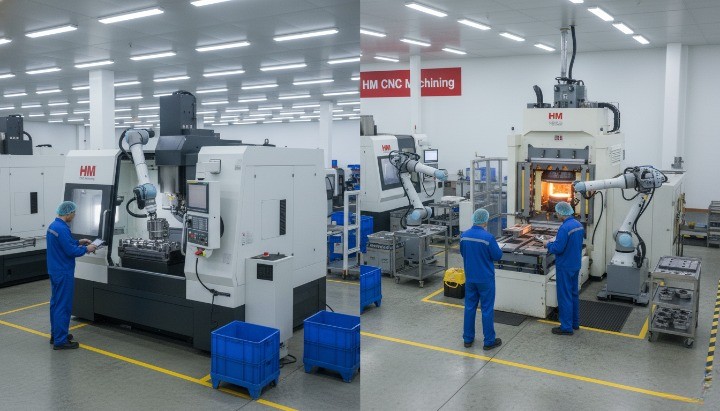
HM operates a full suite of 3-axis, 4-axis, and 5-axis CNC machining centers, precision turning machines, and high-speed milling systems. Our production lines are equipped with automated tool changers, pallet handling, and real-time monitoring to ensure accuracy and repeatability in every batch.
We also integrate die casting, CNC post-machining, surface finishing, and assembly under one roof — reducing lead time and maintaining total quality control throughout the process. Whether the requirement is complex aluminum housings or high-volume zinc die-cast parts, HM’s infrastructure supports both precision and scalability.
This advanced setup enables clients to consolidate multiple suppliers into a single trusted partner, improving project efficiency and communication flow.
Engineering Expertise and OEM/ODM Experience
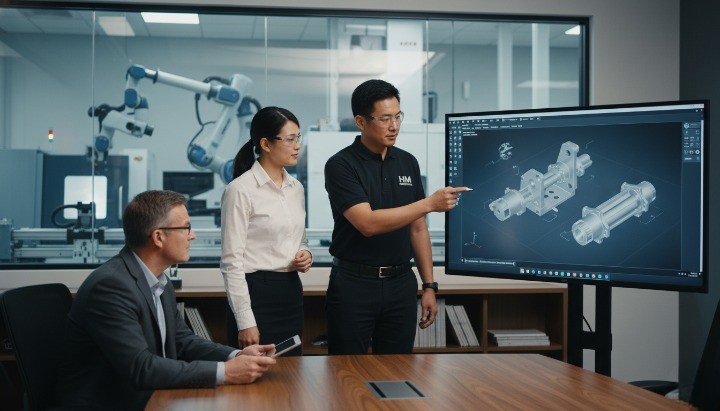
At HM, engineering is the foundation of every project. Our team of experienced mechanical engineers and manufacturing specialists works closely with clients to optimize product design for performance and manufacturability.
We provide Design for Manufacturability (DFM) feedback, prototype validation, and material recommendations to ensure each component meets functional and cost objectives. With years of experience serving OEM and ODM customers across Europe, America, and Asia, we understand the demands of global production standards and supply chain expectations.
Our collaborative approach enables clients to accelerate time-to-market while maintaining engineering precision at every development stage.
Global Quality Standards and Reliable Delivery
Quality assurance at HM is not just a process — it’s a culture. Our manufacturing system is certified under ISO 9001 and IATF 16949, ensuring consistent control from material selection to final inspection.
Each part undergoes CMM (Coordinate Measuring Machine), optical, and laser inspections to verify dimensional accuracy and surface finish. We maintain detailed quality documentation for full traceability and compliance with customer specifications.
Combined with digital project tracking and logistics coordination, HM ensures on-time delivery and repeatable quality across global markets. This reliability has earned the trust of clients in automotive, robotics, electronics, and industrial sectors worldwide.
End-to-End Solutions — From Prototype to Mass Production
HM provides a complete manufacturing journey — from rapid prototyping and functional testing to high-volume production and assembly. By offering all stages under one roof, we minimize handoffs, communication delays, and production risks.
Our flexible setup allows customers to test small batches before scaling to full production without requalifying new suppliers. We also integrate finishing, packaging, and logistics services to simplify procurement and ensure a smooth supply chain.
This holistic approach helps clients reduce time-to-market while maintaining cost efficiency and consistency in every stage of production.
Request a Quote or Upload Your CAD Drawing
Getting started with HM is easy. Simply upload your CAD drawing or 3D model through our secure online platform, and our engineering team will review your design for feasibility, material options, and production optimization.
We provide fast quotations with technical feedback, ensuring that your project’s design, cost, and lead time align perfectly with your goals. Whether it’s a single prototype or a full-scale production run, HM’s experts are ready to deliver precision and reliability every time.
Partner with HM today and transform your design into high-quality custom metal components — efficiently and with confidence.
Frequently Asked Questions (FAQs)
CNC machining often involves complex decision-making — from material selection to cost optimization and finishing. To help engineers, buyers, and project managers make informed choices, here are the most frequently asked questions about CNC machining for custom metal parts.
What metals are best for CNC machining?
The best metals for CNC machining depend on your application’s mechanical, thermal, and corrosion resistance requirements.
-
Aluminum: Lightweight, affordable, and easy to machine. Ideal for automotive, electronics, and prototypes.
-
Stainless Steel: Strong and corrosion-resistant. Perfect for medical and industrial components.
-
Brass: Excellent machinability and conductivity, suited for electrical connectors and aesthetic parts.
-
Titanium: High strength-to-weight ratio, great for aerospace and medical applications.
-
Carbon Steel: Durable and cost-effective for structural components.
Choosing the right material involves balancing machinability, performance, and cost. For expert guidance, consult with an experienced CNC manufacturer that can match materials to your technical and economic goals.
How accurate can CNC machining be?
CNC machining delivers exceptional precision, with typical tolerances ranging from ±0.005 mm to ±0.01 mm, depending on the machine type, material, and part geometry.
For ultra-precision applications, advanced 5-axis machining centers and CMM inspection systems can achieve sub-micron accuracy. Key factors affecting precision include:
-
Machine calibration and spindle stability.
-
Tool sharpness and wear rate.
-
Thermal expansion and vibration control.
At HM, every project undergoes strict tolerance verification through digital inspection and process documentation, ensuring repeatable accuracy across production runs.
What affects CNC machining cost?
Several factors determine CNC machining costs:
-
Material selection — Harder or exotic metals increase tool wear and cycle time.
-
Part complexity — More toolpaths, setups, and features mean higher programming and machining costs.
-
Tolerances and finishes — Tight tolerances and high-end finishes require slower cutting speeds.
-
Production volume — Large batches reduce per-unit cost through setup amortization.
-
Post-processing — Surface treatments, polishing, and assembly add extra steps.
To control costs, focus on DFM (Design for Manufacturability) and consult early with your CNC partner to optimize geometry and machining parameters.
How to select the right finish for CNC parts?
Choosing the right finish depends on the part’s functional and visual requirements:
| Finish Type | Purpose | Common Use |
|---|---|---|
| Anodizing | Corrosion resistance + color | Aluminum housings, enclosures |
| Powder Coating | Durability + impact resistance | Machinery and outdoor parts |
| Polishing/Brushing | Aesthetic surface improvement | Decorative or consumer parts |
| Plating (Nickel/Chrome) | Wear and corrosion protection | Steel or brass components |
When selecting, consider environmental exposure, electrical properties, and aesthetic needs. HM offers a full range of post-processing options integrated with CNC machining for consistent quality.
Why choose a one-stop CNC and die casting manufacturer?
Partnering with a one-stop CNC and die-casting manufacturer like HM provides clear advantages:
-
Integrated production — Casting, machining, finishing, and assembly under one roof.
-
Faster lead times — Reduced coordination between multiple suppliers.
-
Consistent quality — Unified process control and shared engineering standards.
-
Cost efficiency — Streamlined logistics and reduced overhead.
This approach eliminates supply chain complexity and ensures that every component — from raw casting to precision machining and finishing — meets exact specifications.
By partnering with HM, you gain a single, accountable supplier dedicated to speed, accuracy, and total production efficiency.
Conclusion
CNC machining has evolved into a cornerstone of global precision manufacturing — enabling industries to transform digital designs into durable, high-performance components. From rapid prototyping to large-scale OEM production, it combines efficiency, repeatability, and material versatility unmatched by traditional methods.
By integrating smart automation, data-driven optimization, and sustainable practices, CNC machining continues to push the limits of what’s possible in modern engineering. The manufacturers that master this balance between technology, quality, and partnership will define the next generation of industrial innovation.
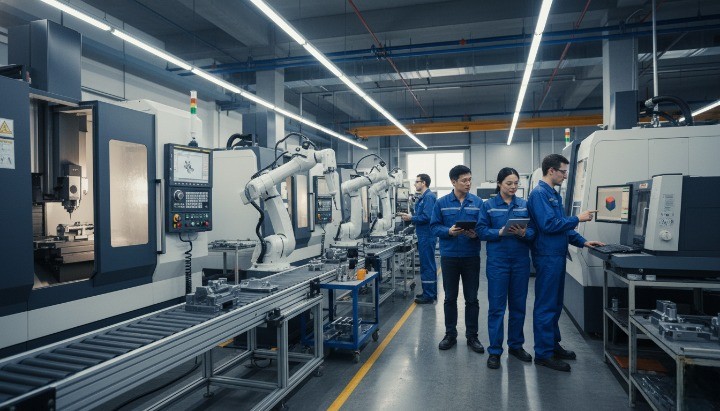
Start Your Custom CNC Project with HM
Whether you’re developing a prototype, sourcing precision parts, or scaling OEM production, HM provides the expertise, technology, and reliability to turn your designs into high-quality, manufacturable solutions.
Our engineers are ready to review your CAD drawings, provide instant feedback, and deliver tailored CNC and die-casting solutions that meet your exact specifications.
Partner with HM today — where precision meets performance. Upload your CAD model or request a free quote to start your next project with confidence.