


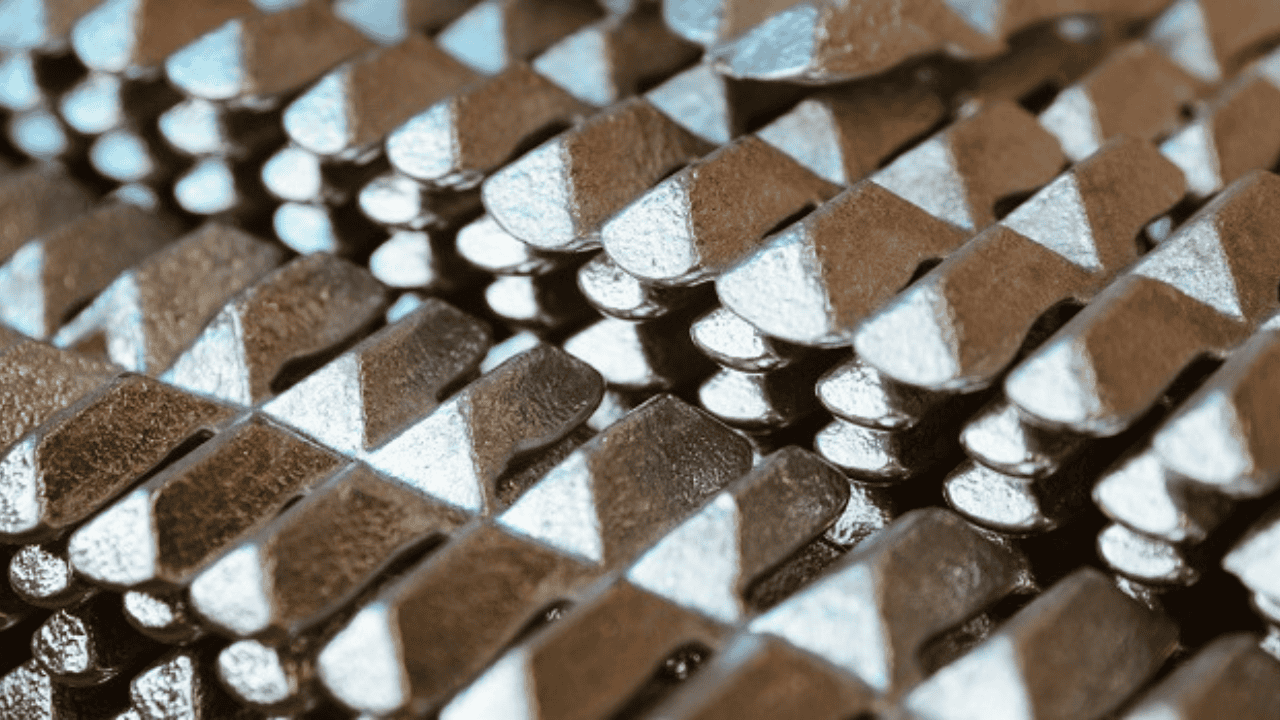
Zamak alloy could be your most suitable die-casting material if your manufacturing project requires castable parts that are moderately strong, durable, and with satisfactory dimensional stability.
This post discusses the main composition and properties of Zamak alloys, as well as their types, benefits, limitations, and application areas.
Understanding Zamak Alloys and Types
Did you know that Zamak, also called Zamac, is an acronym that represents the German names of four elements: zinc, Aluminium, Magnesium, and Kupfer?
Zamak alloys, therefore, refer to a category of zinc alloys whose properties have been enhanced by adding specific quantities of copper, aluminum, or magnesium to the base metal zinc. This is done to suit different application requirements.
In general, Zamak alloys are strong, corrosion-resistant, and ideal for high-accuracy castings in various industries.
Explaining Properties of Zamak Alloys
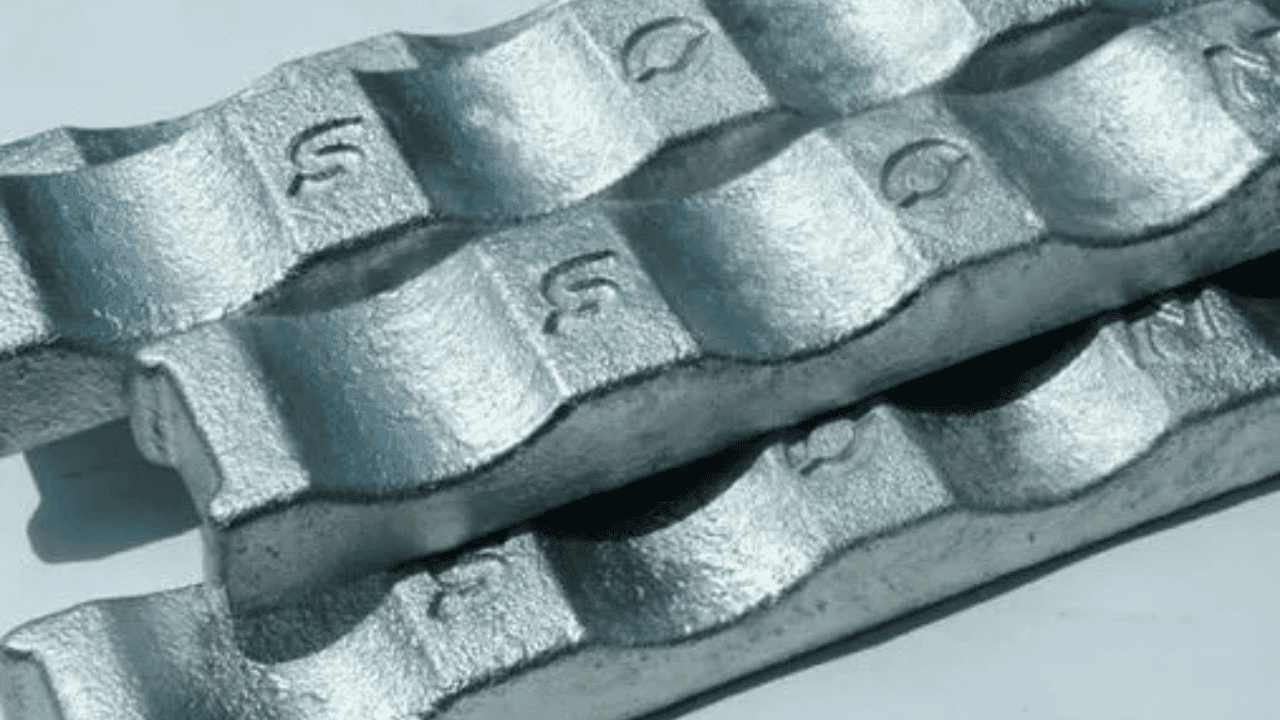
Because Zamak alloys are made of 4 major elements in various proportions, each element brings unique properties.
The general properties of the Zamak alloys revolve around hardness, tensile strength, corrosion resistance, tear and wear resistance, and fluidity.
Let’s find out how each of the 4 elements plays a role in shaping the properties of Zamak.
Zinc Properties: Zinc, a base metal, enhances the alloys by imparting its corrosion resistance properties. The metal’s low melting point also improves the fluidity of the alloy for better casting of parts.
Aluminum Properties: Aluminum composition enhances the strength and corrosion resistance of Zamak alloy.
Magnesium Properties: Because magnesium has a lower melting point than the base metal, Zinc, improves the alloy’s fluidity for easier and better casting of parts. This helps in attaining the desired dimensional casting accuracy while enhancing grain structures.
Copper Properties: The copper in Zamak alloys helps in enhancing the material’s hardness and wear resistance. It also gives the alloy the desired level of tensile strength to suit different application needs.
The 5 Common Types of Zamak Alloy Grades
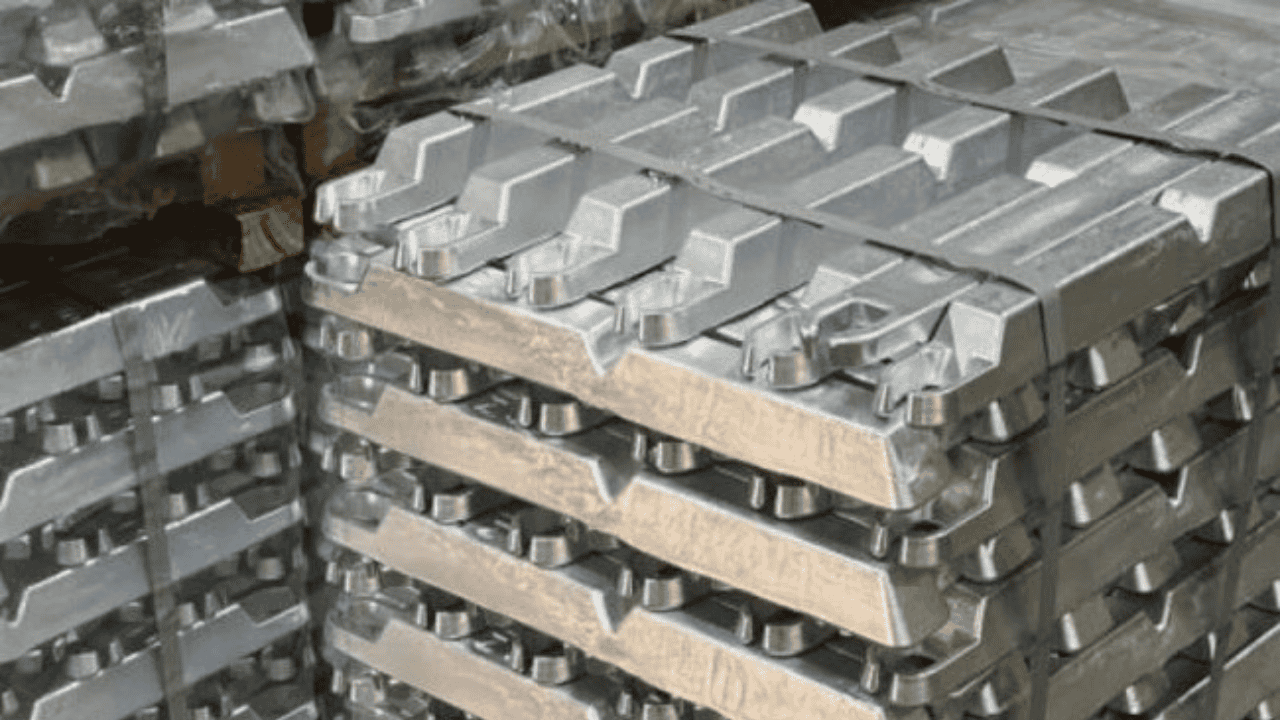
Like other die-casting such as aluminum alloys, Zamak alloys come in different types or grades to suit different application requirements.
The alloys have grade numbers determined by the percentage of non-zinc metals. This determines the general properties of the alloy, and therefore, its application area.
So, which are the five main Zamak alloy grades you can consider for your die-casting projects?
Zamak 2 Alloy Grade
Zamak 2 is the most commonly used alloy and boasts the highest hardness and tensile strength among all zinc alloys. This is because it has the highest percentage composition of copper which ranges between 2.5 to 3%.
Zamak 2 grade is your ideal alloy if your production entails die-casting small components, especially auto parts.
Find more details on Zamak 2 properties here.
Zamak 3 Alloy Grade
This is another commonly used zinc alloy with enormous application flexibility. Unlike Zamak 2, which contains copper and other elements, Zamak 3 alloy consists only of zinc and aluminum.
By composition, Zamak is made of 96% zinc and 4% aluminum. The composition makes the alloy grade ideal for cost-effective custom die-casting parts that are strong, ductile, and durable.
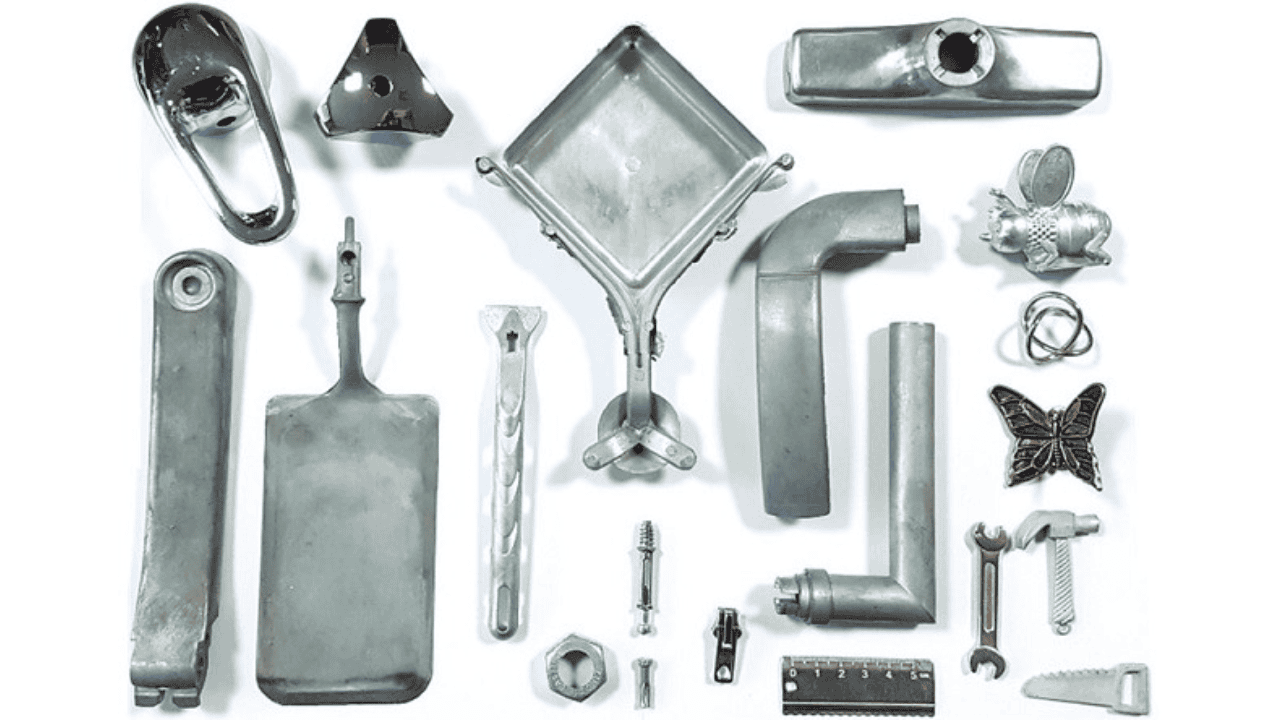
Examples of parts you can cast or machine using Zamak 3 alloy include small automotive parts, electrical components, and various hardware items like door handles.
Here is more on Zamak 3 alloy properties.
Zamak 5 Alloy Grade
Zamak 5 is a zinc alloy grade constituted by zink-96%, aluminum-3%, and copper -1%.
The addition of copper enhances the alloy’s hardness, corrosion resistance, and durability. It also gives the alloy about 10% more strength than zinc alloy 3.
Zamak 7 Alloy Grade/ Zink Alloy 7
Zamak 7 is a zinc alloy with small quantities of aluminum, magnesium, and copper to suit certain application needs.
This composition has a lower magnesium percentage to improve the alloy’s fluidity for easier die-casting of intricate or thin-walled components. The combination also enhances the component’s ductility.
Zamak 12 Alloy Grade/ ZA- 12
Zamak 12 alloy is composed of about zinc at 88%, aluminum at 11%, and copper at about 1%. This blend gives the alloy superior hardness and tensile strength making it an ideal choice if your project demands the fabrication of permanent molds for die-casting of various parts.
Benefits & Limitations of Zamak Alloys In Parts Production
Advantages of Zamak Alloy
Using Zamak alloys as your parts production material has the following key benefits or advantages:
Die-castability of Parts
The melting point of Zamak alloys is low, ranging between 718 and 728 degrees Fahrenheit (381 and 387 degrees Celsius).
This makes the alloy suitable for Zamak die-casting processes. Therefore, it guarantees fast and accurate production of different industry parts to fulfill your manufacturing demands.
Excellent Mechanical Properties
Your ability to choose different Zamak alloy grades enables you to identify mechanical properties suitable for your parts.
For instance, the alloys’ blend of mechanical properties such as hardness, ductility, and tensile strength makes it possible to produce a wide range of parts for different application conditions.
Cost-Effectiveness
Parts production using Zamak alloy is more cost-effective than some metals such as stainless steel or aluminum. How?
Zamak alloys have lower melting points which allows for fast production of die-cast parts at low energy costs. Further, because zink alloy alloys are easy to machine, your expenditure on tool replacements remains low.
Machining Ease
Zamak alloys boast good machinability. Therefore, they allow you to use different types of machine tools that suit your production process.
For instance, with Zamak alloy, you can use CNC machines for cutting, milling, or drilling processes without cracking risk or exposing your tools to rapid wear.
You can also use die-casting tools for the easy casting of Zamak alloy parts.
Aesthetic Smooth Surface Finish
Zinc alloy die casting produces parts with smooth and shiny surface finishes that do not require further machining processes. This improves the aesthetic qualities of parts that do not require coating.
Painting and Plating Ease.
The surface of the Zamak alloy component allows for easy painting or coating processes. It is also easy to plate to achieve the desired decorative outer finish on your home fixture parts.
Excellent Dimensional Accuracy
Zamak alloys enable you to produce large, complex parts with excellent dimensional accuracy. Thus, your castings will not require further processing to achieve design specifications.
Zamak Alloys Are Eco-friendly/Recyclable.
Old or defective parts made from Zamak alloy can be recycled to produce new products. This makes your use of the alloy more sustainable and eco-friendly with minimal production waste.
Limitations/Drawbacks of Zamak Alloys
Zamak alloys also have some disadvantages or drawbacks that, as a manufacturer, you must be fully aware of. They include:
Limited Grade of Zamak Alloys
Despite the varying application conditions, there are only a few Zamak alloy grades available for you to choose from.
Therefore, finding suitable alloy grades for some unique project applications remains challenging. This is unlike other alloys, such as aluminum alloys that you can customize to suit your project needs.
Not Suitable for High-temperature Conditions
Zamak materials have low melting points. Therefore, they are not suitable for parts that will be exposed to extreme temperatures. Higher temperatures make them more brittle and likely to break or develop cracks.
Not Suitable for High-stress Application
The tensile strength of Zamak is not as high as that of steel and some aluminum alloy grades. As such, the alloy is not for parts that need to withstand tough operating conditions.
So, if the parts you intend to produce are meant to tolerate heavy loads, Zamak alloy is not your best choice. It is only suitable where the parts will be subjected to moderate or low loads or pressure.
When subjected to constant pressure, your Zamak part can be gradually deformed or creep especially in high-temperature conditions.
Applications of Zamak Alloys

The properties of Zamak make the alloy a perfect choice for the fabrication and machining of parts for various industries. Below are just a few areas where Zamak alloy parts are used.
Zamak Alloys for Auto-parts Industry
Automotive industries rely on Zamak alloy parts for their strength and durability. Examples of auto parts you can fabricate or machine using zink alloy include door handles, airbag housing, brackets, roof rack mounts, car seatbelt hooks, etc.
Furniture-making & Hardware Industry
Zamak alloy is used to produce strong and durable furniture fittings through die-casting and machining processes. Such parts include concealed hinges, cabinet locks, cabinet/door handles, door stoppers, hooks, etc.
Household/Consumer Sector
In the household sector, zamak is used to manufacture components in various electronic devices such as ovens, microwaves, refrigerators, and washing machines. Zamac alloy is used to produce handles, hinges, and knobs used in these domestic devices.
Ornamental/Aesthetic Applications
The machinability and durability of Zamak alloys make them suitable for manufacturing decorative components including toys. The ability to apply different finishes on the alloy through painting or chrome plating makes it a perfect material for ornamental parts.
Conclusion
Zamac alloy is a cost-effective material for manufacturing strong, and durable components for several industries and sectors.
Selection of the right Zamak grade for your parts production is important and requires the input of an expert.
At HM, we specialize in the custom fabrication and machining of parts using different materials to suit your application needs.
We have the expertise, materials, and advanced die-casting techniques to produce custom Zamak alloy parts for you. Contact us!
Links You May Like
- Aluminum CNC Machining: The Ultimate Guide
- Differences Between Brass, Bronze, and Copper: A Detailed Comparison
- Silver Melting Point – A Complete Guide for Metal Fabricators
- What Is Magnesium Alloy: Types, Benefits, and Application