


Magnesium or Mg Alloys are typically preferred by manufacturers in aerospace and car manufacturing industries considering they weigh ⅓ lower than aluminum.
So what is magnesium alloy used for in these industries and what are the properties of magnesium alloy? Read on to find out alongside their types and benefits.
What Is Magnesium Alloy?
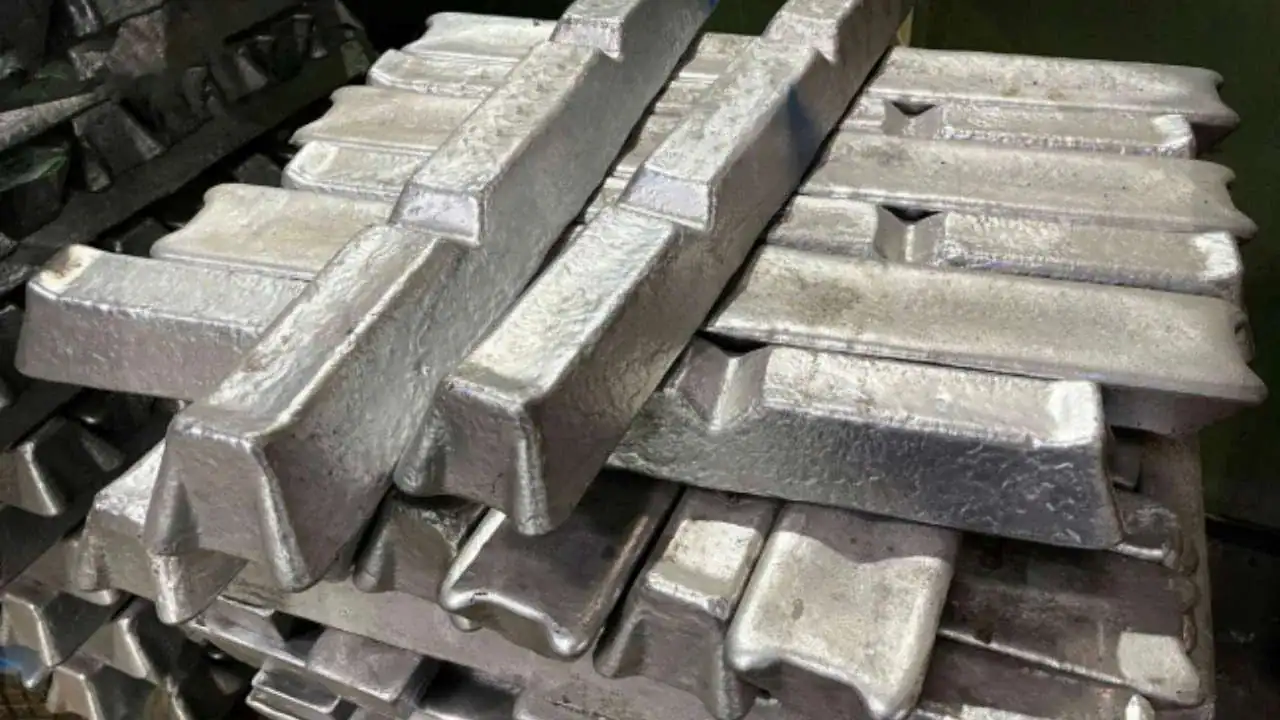
aluminum, metal, ingots, manufacturing, industry
Magnesium alloys are metals formed from a mixture of magnesium, a white metal with silvery look, and other alloys or metals. You get Mg alloys when mixed with nonferrous alloys such as copper, aluminum, silicon, zinc, zirconium, and manganese.
Amongst all the metals in the world, magnesium alloys are the sixth most plentiful and one of the most machinable.
While they carry a protective layer of film to guard against corrosion, they still are susceptible to the corrosive effects of sulfates, chloride, and other chemicals. Most manufacturers handle this flaw by anodizing magnesium to boost its resistance to corrosion.
Some of the world’s fastest and most high-performance automobile engines are housed in a magnesium alloy sunroof or driven by Mg alloy wheels or steering components.
Magnesium Alloy Properties

zinc, metal, ingots, manufacturing, industry
Magnesium alloys are known for their many unique properties that make them preferable to most metals. Understanding these properties is key to maximizing the uses of magnesium alloy. Here are some of them explained below:
Machinability
Magnesium Alloys are great for their seamless machinability. This means that the machinist can cast, extrude and forge them with ease and little physical exertion. That low density makes welding and brazing them a fairly pleasant experience.
CastabilityCastability
Magnesium alloy also ranks high for castability thanks to the ease with which machinist can cast the metal and still maintain strictly quality needs. It maintains its fluidity and can be cast into mold with ease.
Corrosion Resistance
Magnesium alloys aren’t quite as resistant to corrosion at first because of their composition and surface chemistry. They are susceptible to galvanic corrosion where two metals connect with a measure of conductive solution. However, alloy developments and treating the surface will make magnesium alloy resistant to corrosion.
Low Density
Magnesium alloys are great for use in cases where saving weight and staying light is crucial. Thanks to their low density impact resistance, engineers and designers prefer to use magnesium alloys vs aluminum. This is why they are the best pick for wrought products and alloy castings of different sizes and use cases.
High Strength-to-Weight Ratio
It has one of the most reliable strength-to-weight ratios of any metal but the strength of magnesium alloy does not unbalance weight.
It manages to maintain tensile strength better than some structural metals like steel and it still remains a low weighted metal. Such a fine balance of both qualities is why the automobile industry uses magnesium alloys like AZ31 generously in production and assembly.
Types of Magnesium Alloys
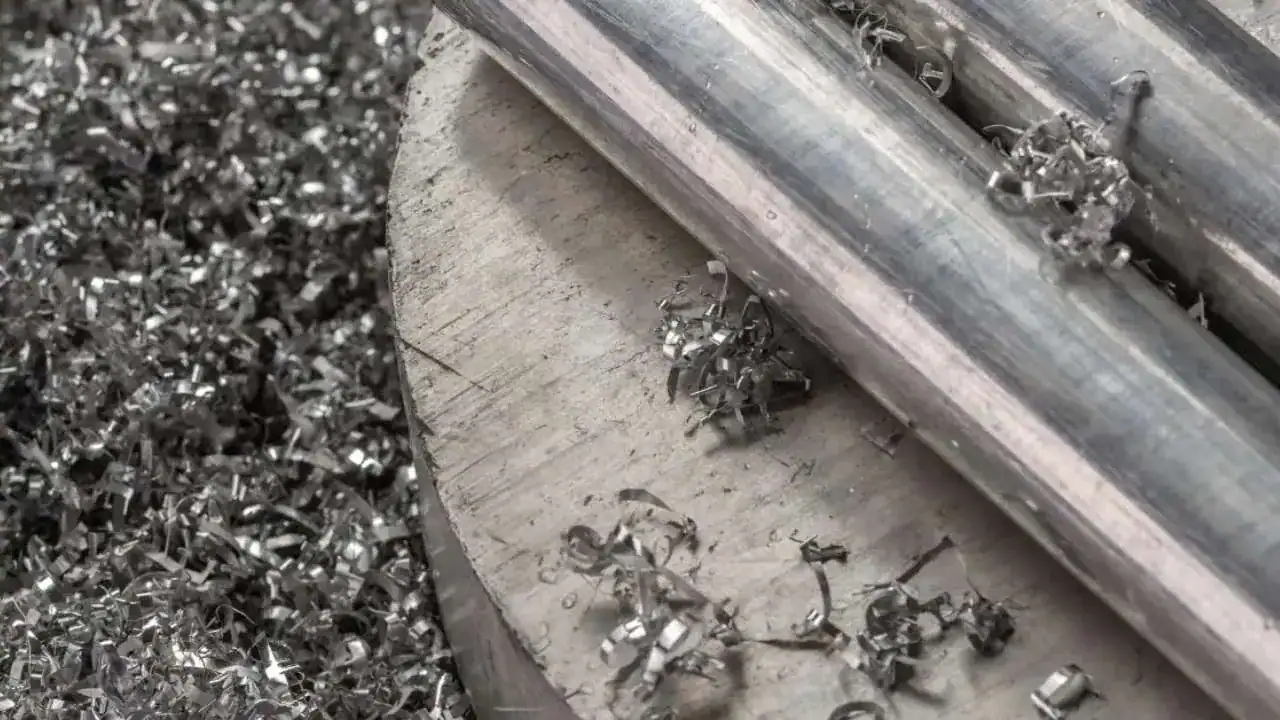
metal, shavings, machining, scrap, industry
There are several variations of magnesium alloy but they are technically divided into Cast Magnesium Alloys and Wrought Magnesium Alloys.
Cast Magnesium Alloys
These types of magnesium alloys are formed when you pour liquid molten metal into molds to solidify into any shape you require. They are very lightweight and are suitable for casting procedures.
It is common practice for cast magnesium alloy to be made up of some primary alloying elements. Cast magnesium alloy composition consists of zinc, manganese, and aluminum. However, these primary elements do not exceed the 10% mark.
Wrought Magnesium Alloys
Wrought Magnesium Alloys go through some mechanical processes like rolling and forging in order to gain the shape the machinist requires.
However, they can be either heat-treatable by heat or not. Just like with cast magnesium alloys, it is made up of primary alloying elements like zinc, manganese, and aluminum.
There are different types of wrought magnesium alloys depending on the composition of primary elements, tensile strength, and thermal strength. Some wrought magnesium alloys include AE44, AZ31B, AZ91, AJ62A, and WE43.
Tabular Comparison of the Different Types of Magnesium Alloys

Type / Wrought Magnesium Alloy / Cast Magnesium Alloy
Production
- Made through the solification of molten magnesium to the required shape.
- Made via mechanical procedures like forging and extrusion
Tensile strength - Has greater tensile strength
- Has a relatively lower tensile strength
Elongation - Has the better elongation
- Has relatively lesser elongation
Yield strength - Higher
- Relatively lower yield strength
Applications - Welded structures and engineering
- Industrial and commercial applications
Grain size - More refined
- Less refined grain size
Variants - AE44, AZ31B, AZ91, AJ62A, and WE43
- HK31A, AM100A, AZ63A, ZK51A, and EZ33A
Benefits of Magnesium Alloys

3D printing, metal, parts, manufacturing, innovation
Depending on what manufacturing use you require from a magnesium alloy, the benefits are rewarding. Here are some good reasons to use magnesium alloys.
Widely Recyclable
Not all metals are eco-friendly or recyclable but all magnesium alloys are recyclable. This makes very resourceful metals that rarely go to waste during the manufacturing process.
Available in Abundance
Because magnesium alloys are recyclable, they are also highly ranked amongst elements that are constantly in abundance and available around the world through companies that deliver magnesium alloy products. This makes it easy to deploy them in many procedures and industries.
StrongStrong
Magnesium alloy is known for its immense strength despite a thin look a magnesium sheet maybear. The average magnesium alloy possesses a solid tensile strength twenty times more than some engineering thermoplastic.
Resistant to Unwanted Mechanical Vibrations
Most metal alloys end up in manufacturing processes where they are subjected to tremendous vibration levels. There are no concerns for magnesium alloys because they possess high vibration absorption.
Relatively Affordable
Because they are readily available and also recyclable, magnesium alloy price are considered really affordable. They cost twice as much as aluminum alloy but the actual cost may depend on the alloy composition or type of magnesium alloy.
Applications of Magnesium Alloys
3D printing, metal, parts, manufacturing, innovation
Aside from its weight and density, magnesium has lots of structural applications in engineering designs of a wide range of industries. Here are some of the uses of magnesium alloys:
Bicycles
Magnesium alloys are deployed in the production of bicycles. Bike manufacturers use these metals to make shiny magnesium alloy wheels for bicycles and parts of some high performance bikes.
Automotive
The automotive industry is another technical industry that heavily uses magnesium alloy for making drive shafts, gearboxes, and brake compartments. Wrought magnesium alloys are commonly used in the creation of structural parts and components that function at very high temperatures.
Aerospace
Magnesium alloy is a major part of the aerospace industry manufacturing process. From landing wheels of aeroplanes to rotor blades of helicopters and much more, magnesium alloy is the preferred metal.
Electronics
Manufacturers of electronics now prefer magnesium alloy to plastic because it performs better than plastic in heat transfer and radio frequency interference. The decision seems to be a no-brainer considering magnesium alloys are generally as light as plastic. They are also more durable and stronger.
Industrial Machinery
Most high-speed industrial machinery are prone to vibrations and high temperatures over a sustained period. Magnesium alloy is perfect for manufacturing high-speed industrial machines like looms because of how dense, strong, and heat-resistant it is.
Conclusion

aluminum, alloy, plates, 7075, metal
Magnesium alloys contain properties that make them versatile and suitable for use in a wide range of industries. In the future, as manufacturers look for low-density alternatives that are surprisingly cheaper and readily available, magnesium alloy will be the best pick. You can contact us now to get the best quality magnesium alloy materials and parts.