


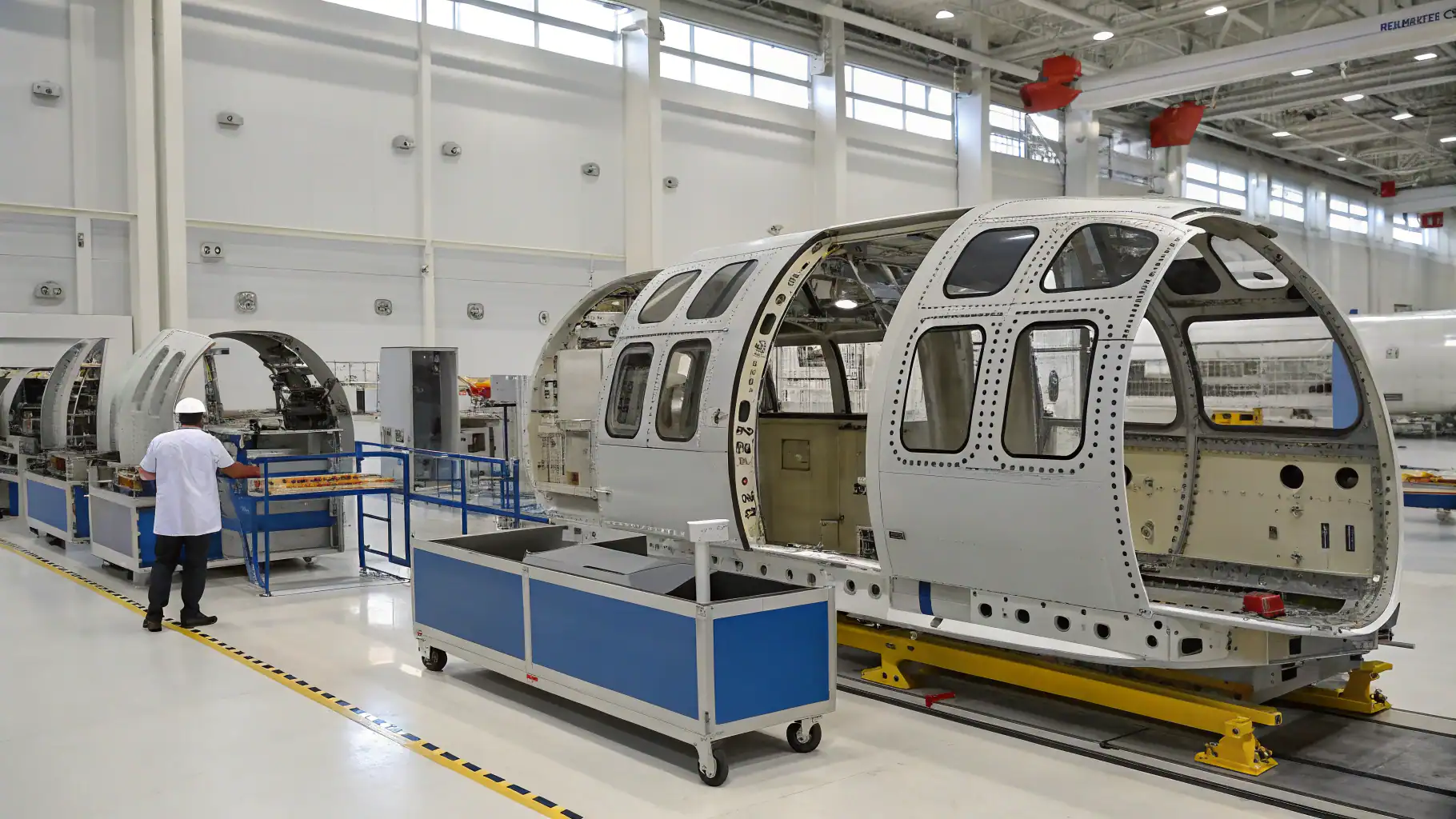
High-pressure die casting (HPDC) is a game-changer in aerospace manufacturing. It offers precision and efficiency, making it ideal for producing complex aircraft components.
Yes, HPDC is highly suitable for aircraft doors. This method ensures high dimensional accuracy and excellent surface finishes, meeting the stringent standards of the aerospace industry.
As we explore further, we’ll uncover the advantages of HPDC, its challenges, and how it stands out among other manufacturing processes. Stay with us to learn more about this vital technology in modern aviation.
High-pressure die casting offers precision and efficiency for complex aircraft components.True
HPDC provides high accuracy and surface finish, ideal for aerospace.
HPDC is highly suitable for aircraft doors due to its dimensional accuracy.False
Aircraft doors require materials with higher impact resistance than HPDC offers.
What Are the Key Advantages of High Pressure Die Casting?
High pressure die casting1 (HPDC) offers significant benefits for industries, especially aerospace. It combines precision with cost-effectiveness, making it a preferred choice for manufacturing complex parts.
HPDC provides high dimensional accuracy, which is crucial in aerospace applications. This method ensures that components fit perfectly and perform reliably under demanding conditions. Additionally, HPDC is cost-effective for large-scale production due to its efficiency and reduced waste.

High Dimensional Accuracy
One of the standout advantages of HPDC is its ability to produce parts with high dimensional accuracy. The process involves injecting molten metal into a mold at pressures ranging from 10,000 to 20,000 psi. This high pressure allows for intricate designs and tight tolerances. As a result, manufacturers can create complex shapes that meet strict specifications required in aerospace applications.
The precision achieved through HPDC minimizes the need for extensive post-processing work. This not only saves time but also reduces costs associated with additional machining or finishing processes.
Cost-Effectiveness in Large-Scale Production
HPDC is particularly advantageous for mass production scenarios. Once the initial mold design is completed, producing multiple identical parts becomes efficient and economical. The rapid cooling of molten metal leads to quick solidification, allowing manufacturers to produce large quantities in a short time frame.
While there are upfront costs related to mold creation and machinery setup, these expenses are offset by the long-term savings realized through high-volume production runs. Over time, companies can benefit from lower per-unit costs as production scales up.
Enhanced Durability
Durability is another key benefit of HPDC components. The process produces strong metal parts that can withstand harsh conditions typical in aerospace environments. For instance, structural components made using HPDC exhibit superior mechanical properties compared to those produced by other methods.
The use of materials like aluminum and magnesium alloys further enhances durability while keeping weight low—an essential factor in aircraft design where every gram counts.
Integration with Advanced Technologies
As technology evolves, so does HPDC. Manufacturers are increasingly integrating CNC machining into the process to enhance precision even further. This combination allows for near-net shape parts that require minimal finishing work.
Moreover, advancements in semi-solid casting techniques promise improved material properties while addressing challenges like porosity—common issues faced during traditional casting methods.
Sustainability Practices
Sustainability has become a focal point in modern manufacturing processes including HPDC. Companies are exploring ways to reduce waste and energy consumption during production cycles. By optimizing processes and utilizing recyclable materials whenever possible, manufacturers can contribute positively toward environmental goals while maintaining efficiency.
In conclusion, high pressure die casting stands out as an effective solution for producing precise and durable components across various industries—especially aerospace—while also adapting to new technological advancements and sustainability practices.
HPDC provides high dimensional accuracy, crucial in aerospace applications.True
HPDC achieves tight tolerances needed for aerospace parts.
HPDC components require extensive post-processing work.False
HPDC minimizes post-processing due to its precision.
How Does HPDC Compare to Other Die Casting Methods?
High Pressure Die Casting2 (HPDC) is a game-changer in manufacturing. It offers precision and efficiency that other methods struggle to match. Discover how it stands out!
HPDC excels in producing complex shapes with high dimensional accuracy, making it ideal for industries like aerospace and automotive. Its rapid cooling process reduces post-processing needs, enhancing cost-effectiveness for large-scale production.

Unique Features of HPDC
HPDC involves injecting molten metal into a mold at high pressure, typically between 10,000 to 20,000 psi. This method allows for the creation of intricate designs with excellent surface finishes. The rapid solidification of the metal minimizes defects and ensures tight tolerances. In contrast, other die casting methods may not achieve the same level of detail or speed.
Comparison with Other Die Casting Techniques
-
Cold Chamber Die Casting: This method is suitable for metals with higher melting points but is slower than HPDC. It requires more time for each cycle due to the manual loading of metal into the chamber.
-
Hot Chamber Die Casting: Ideal for low melting point metals like zinc, this technique offers faster cycles but is limited by material choice compared to HPDC.
-
Low Pressure Die Casting: While it allows for larger components, it does not provide the same precision as HPDC and is generally slower.
-
Gravity Die Casting: This traditional method relies on gravity rather than pressure to fill molds, making it less efficient for complex shapes.
-
Vacuum Die Casting: This technique reduces porosity but often lacks the speed and efficiency found in HPDC processes.
Suitability for Different Manufacturing Needs
HPDC is particularly suited for high-volume production where precision and durability are critical. Industries such as aerospace benefit from its ability to produce lightweight yet strong components quickly. On the other hand, methods like gravity die casting may be better suited for simpler parts or lower volume needs due to their lower initial costs.
Advantages and Challenges of HPDC
The advantages of HPDC include superior mechanical properties and cost-effectiveness in mass production scenarios. However, challenges exist such as material limitations and design constraints that manufacturers must navigate carefully to ensure compliance with industry standards.
| Method | Speed | Precision | Material Limitations |
|---|---|---|---|
| High Pressure Die Casting | Fast | High | Moderate |
| Cold Chamber Die Casting | Slow | Moderate | High |
| Hot Chamber Die Casting | Fast | Moderate | Low |
| Low Pressure Die Casting | Moderate | Low | Moderate |
| Gravity Die Casting | Slow | Low | Low |
Technological Advancements in HPDC
As technology evolves, so does HPDC’s integration with sustainability practices and advanced manufacturing techniques like CNC machining. These advancements improve both efficiency and environmental impact while maintaining high-quality output essential in modern manufacturing environments.
In summary, while various die casting methods exist, HPDC remains a top choice due to its unique features that cater specifically to demanding applications across multiple industries.
HPDC excels in producing complex shapes with high dimensional accuracy.True
HPDC's high pressure allows for intricate designs and tight tolerances.
Gravity die casting is more efficient for complex shapes than HPDC.False
Gravity die casting lacks the pressure needed for complex shapes.
What Challenges Does the Aerospace Industry Face with HPDC?
High pressure die casting (HPDC) is essential for aerospace manufacturing, but it faces significant challenges. Material limitations3 and design constraints can impact the quality of components, making it crucial to address these issues.
HPDC in aerospace must overcome material limitations and design constraints to ensure high-quality components. These challenges include selecting appropriate alloys and meeting strict regulatory standards.

Material Limitations in HPDC
The choice of materials is critical in HPDC for aerospace applications. Commonly used alloys like aluminum and magnesium have specific properties that may limit their use. For instance, while aluminum offers lightweight benefits, it may not provide the necessary strength for certain structural components. Additionally, some alloys are prone to defects like porosity during the casting process. This can lead to compromised integrity in finished parts, which is unacceptable in aerospace applications where safety is paramount.
Design Constraints
Designing components for HPDC involves navigating various constraints. The complexity of shapes that can be produced is often limited by mold design and cooling rates. Thin walls or intricate features may not solidify properly, leading to defects or weak points in the final product. Furthermore, engineers must consider how designs will affect manufacturability and assembly processes later on.
Compliance with Aerospace Standards
Aerospace components must meet stringent industry standards such as AS9100 or ISO 9001. These regulations dictate quality management systems that ensure reliability and safety throughout production processes. Meeting these standards requires rigorous testing and validation of materials used in HPDC, adding another layer of complexity to manufacturing.
Integration with Other Manufacturing Processes
As technology advances, integrating HPDC with other manufacturing methods becomes increasingly important. Techniques like CNC machining can enhance precision after casting but require careful planning during the initial design phase. Balancing multiple processes can complicate production schedules and increase costs if not managed effectively.
Sustainability Considerations
Sustainability is a growing concern within the aerospace industry. Manufacturers are exploring ways to reduce waste generated during HPDC processes while also considering the environmental impact of materials used. Innovations such as recycling scrap metal from production runs are becoming more common as companies strive for greener practices without compromising quality.
| Challenge | Description |
|---|---|
| Material Limitations | Limited alloy options affecting strength and integrity |
| Design Constraints | Complexity limits due to mold design |
| Compliance Standards | Need for rigorous testing per industry regulations |
| Process Integration | Balancing multiple manufacturing techniques |
| Sustainability | Reducing waste while maintaining quality |
These challenges highlight the need for continuous improvement in HPDC practices within the aerospace sector to ensure high-quality outcomes that meet both performance and regulatory requirements.
Aluminum alloys used in HPDC may not provide necessary strength for aerospace components.True
Aluminum's lightweight nature can limit its structural strength.
HPDC easily produces complex shapes with thin walls without defects.False
Thin walls often lead to solidification issues and defects.
How is Technology Advancing High Pressure Die Casting?
High pressure die casting4 (HPDC) is transforming manufacturing. New technologies enhance precision and sustainability, making it vital for industries like aerospace.
Advancements in HPDC focus on improving efficiency and reducing environmental impact. Techniques such as CNC machining integration5 allow for higher precision and better design flexibility. Sustainability practices are also becoming essential in this process, ensuring that manufacturers meet modern standards while producing high-quality components.

The Role of CNC Machining in HPDC
CNC machining plays a crucial role in enhancing the capabilities of HPDC. By integrating CNC technology, manufacturers can achieve near-net shape parts with exceptional accuracy. This integration allows for complex geometries that traditional methods may struggle to produce. Additionally, CNC machining reduces post-processing time, leading to faster production cycles and lower costs.
The combination of HPDC and CNC machining results in improved surface finishes and tighter tolerances. This synergy is especially beneficial in industries like aerospace, where precision is paramount. Manufacturers can create intricate designs without compromising on strength or durability.
Sustainability Practices in High Pressure Die Casting
Sustainability has become a key focus in manufacturing processes, including HPDC. Companies are adopting practices that minimize waste and energy consumption. For instance, using recycled materials not only reduces costs but also lessens the environmental footprint.
Moreover, advancements in semi-solid casting techniques promise enhanced material properties while addressing issues like porosity. These innovations help manufacturers produce lightweight yet strong components that meet stringent industry standards.
Challenges Facing High Pressure Die Casting
Despite its advantages, HPDC faces several challenges. Material limitations can restrict design options, while high initial costs for die design and machinery may deter some manufacturers. Additionally, maintaining quality control during mass production remains critical to ensure compliance with industry regulations.
Addressing these challenges requires ongoing research and development efforts within the industry. Innovations must focus on overcoming material constraints and improving overall process efficiency to maintain competitiveness.
Future Trends in High Pressure Die Casting
The future of HPDC looks promising as technology continues to evolve. Automation will likely play a significant role in streamlining operations further while enhancing precision levels across various applications.
Additionally, as demand for locally produced goods rises due to trends like reshoring, HPDC’s automated solutions will be increasingly relevant. Manufacturers will need to adapt quickly to changing market demands while embracing sustainable practices that align with global initiatives toward low-carbon economies.
Conclusion: The Importance of Technological Advancements
Technological advancements are crucial for the continued success of high pressure die casting (HPDC). By integrating new technologies such as CNC machining and adopting sustainable practices, manufacturers can enhance their production capabilities significantly while meeting modern demands for quality and efficiency.
CNC machining integration allows for higher precision in HPDC.True
CNC enhances accuracy and design flexibility.
HPDC does not face any challenges in material limitations.False
Material limitations can restrict design options.
Why is Mold Design Crucial in High Pressure Die Casting?
Mold design is the backbone of high pressure die casting (HPDC). Poor mold design can lead to defects, wasted materials, and increased costs.
Mold design and material selection are vital for achieving high part quality and production efficiency in HPDC. A well-designed mold ensures precise dimensions and smooth surfaces, while the right materials enhance durability and performance.

Importance of Mold Design
Mold design plays a critical role in HPDC. It determines how molten metal flows into the mold cavity. A good design minimizes turbulence, which can cause defects like porosity or surface imperfections. Additionally, it allows for efficient cooling, ensuring that parts solidify quickly without warping. This precision leads to better overall product quality.
Material Selection Matters
Choosing the right material for both the mold and the cast part is essential. Common materials include aluminum, magnesium, and zinc alloys due to their favorable properties like strength-to-weight ratio and corrosion resistance. The selected material affects not only the final product’s characteristics but also its manufacturability.
| Material Type | Advantages | Applications |
|---|---|---|
| Aluminum | Lightweight & strong | Aerospace & automotive |
| Magnesium | Excellent strength-to-weight | Consumer electronics |
| Zinc | Good corrosion resistance | Automotive components |
Challenges in Mold Design
Despite its importance, mold design comes with challenges. Designers must consider factors such as thermal expansion, wear resistance, and ease of maintenance. If these factors are overlooked, it can lead to costly repairs or replacements down the line.
Advances in Technology
Recent advancements have improved mold design processes significantly. Computer-Aided Design (CAD) software allows for more complex shapes and better simulations of metal flow within molds. These technologies help identify potential issues before physical production begins.
Sustainability Considerations
As industries move towards sustainability, mold design also adapts. Using recyclable materials for molds reduces waste during manufacturing processes. Moreover, optimizing designs can lead to less energy consumption during production cycles.
In summary, effective mold design is crucial in high pressure die casting as it directly impacts part quality and production efficiency while addressing modern challenges through technology and sustainability practices.
Poor mold design in HPDC leads to defects and increased costs.True
Defects from poor design increase waste and production costs.
Magnesium is commonly used for its corrosion resistance in HPDC.False
Zinc, not magnesium, is noted for corrosion resistance.
What Role Does Sustainability Play in Modern Manufacturing Processes?
Sustainability is no longer optional; it’s essential. As industries face climate change, integrating sustainable practices into manufacturing processes is crucial for survival and growth.
Sustainability in high pressure die casting6 (HPDC) involves using eco-friendly materials and energy-efficient methods to reduce carbon footprints. This shift helps meet the demands of a low-carbon economy while maintaining production efficiency.

The Importance of Sustainability in HPDC
High pressure die casting (HPDC) plays a vital role in modern manufacturing, especially in sectors like aerospace. As companies strive for sustainability, they are adopting practices that minimize waste and energy use. This includes optimizing the design process to reduce material consumption and utilizing recycled metals whenever possible. By focusing on sustainability, manufacturers can not only comply with regulations but also appeal to environmentally conscious consumers.
Energy Efficiency Measures
Energy consumption is a significant concern in HPDC processes. Manufacturers are implementing energy-efficient technologies such as advanced heating systems and optimized cooling techniques. These innovations help lower energy costs while reducing greenhouse gas emissions. Additionally, using renewable energy sources can further enhance sustainability efforts within the industry.
Material Selection and Recycling
Choosing the right materials is crucial for sustainable HPDC practices. Manufacturers are increasingly opting for lightweight alloys that require less energy to produce and process. Moreover, recycling scrap metal from production can significantly reduce waste and conserve resources. This closed-loop approach not only benefits the environment but also lowers operational costs.
Innovations in Technology
Technological advancements are driving sustainability in HPDC forward. Automation and smart manufacturing techniques allow for precise control over processes, minimizing waste generation. Furthermore, simulation software helps optimize designs before production begins, ensuring that components meet specifications without excess material usage.
Compliance with Regulations
As governments worldwide enforce stricter environmental regulations, manufacturers must adapt their processes accordingly. Sustainable HPDC practices ensure compliance with these laws while fostering a positive brand image. Companies that prioritize sustainability often find themselves ahead of competitors who do not embrace these changes.
By integrating sustainability into high pressure die casting processes, manufacturers can contribute to a greener future while maintaining efficiency and profitability.
HPDC uses eco-friendly materials to reduce carbon footprints.True
Eco-friendly materials in HPDC lower environmental impact.
Recycling scrap metal increases operational costs in HPDC.False
Recycling reduces waste and lowers costs.
Conclusion
High pressure die casting offers precision, cost-effectiveness, and sustainability, making it ideal for aerospace manufacturing despite challenges in materials and design.
-
Understand how this manufacturing process benefits industries like aerospace through precision and cost-effectiveness. ↩
-
Understand why High Pressure Die Casting is considered a game-changer in manufacturing due to its precision and efficiency benefits over other methods. ↩
-
Understand how material choices affect component quality in aerospace applications using HPDC. ↩
-
To understand how this manufacturing process works and its importance across different industries. ↩
-
To learn about the benefits of combining these technologies for improved manufacturing outcomes. ↩
-
Discover how sustainable practices are transforming high pressure die casting to be more eco-friendly. ↩