


Metalworking depends heavily on grooving-machining to create accurate channels. This technique is used for multiple purposes like creating efficient seals, guaranteeing parts fit perfectly as well as allowing production of complex parts.
In this blogpost, we will discuss different types of grooving processes, grooving tools, materials as well as techniques that will increase efficiency & accuracy of your metalwork.
What is Grooving-Machining?
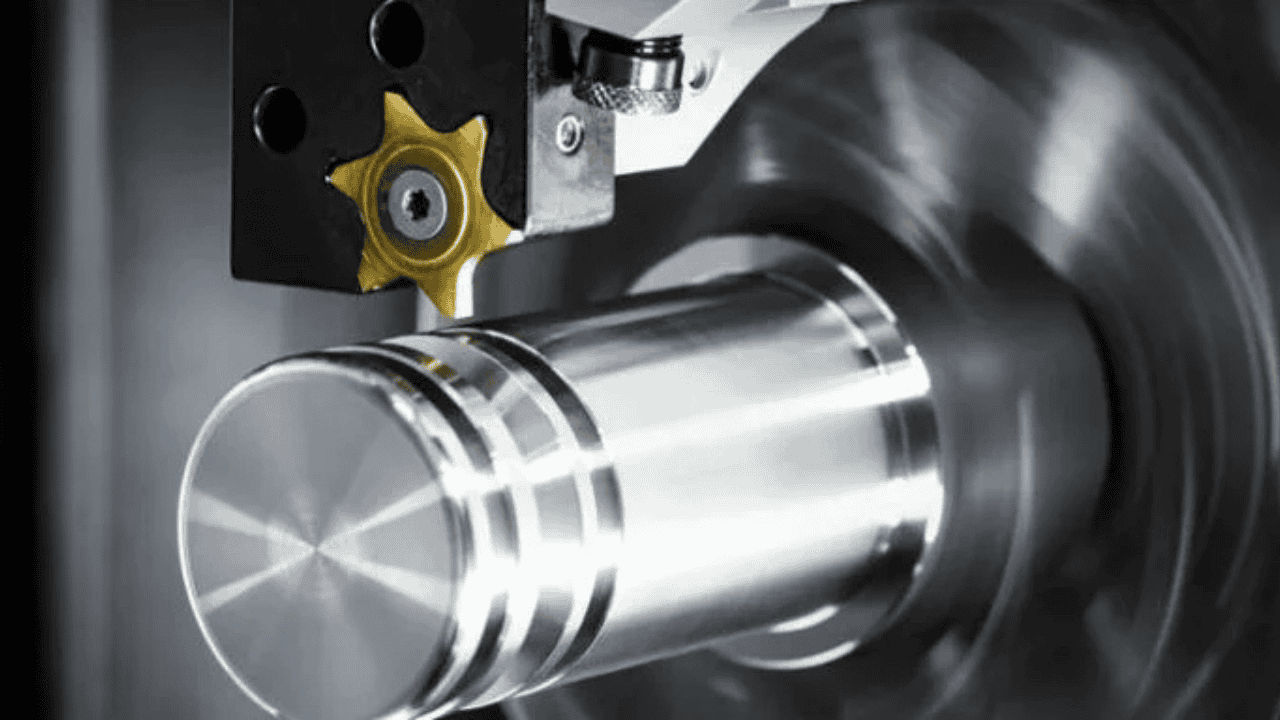
It is a precision driven process in which narrow channels or recesses are created in a workpiece by special cutting tools. This process performs an important role in manufacture of parts like O-rings & seals that demands a perfect fit.
Different Types of Grooving Operations
Based on Groove Location
-
External Grooving
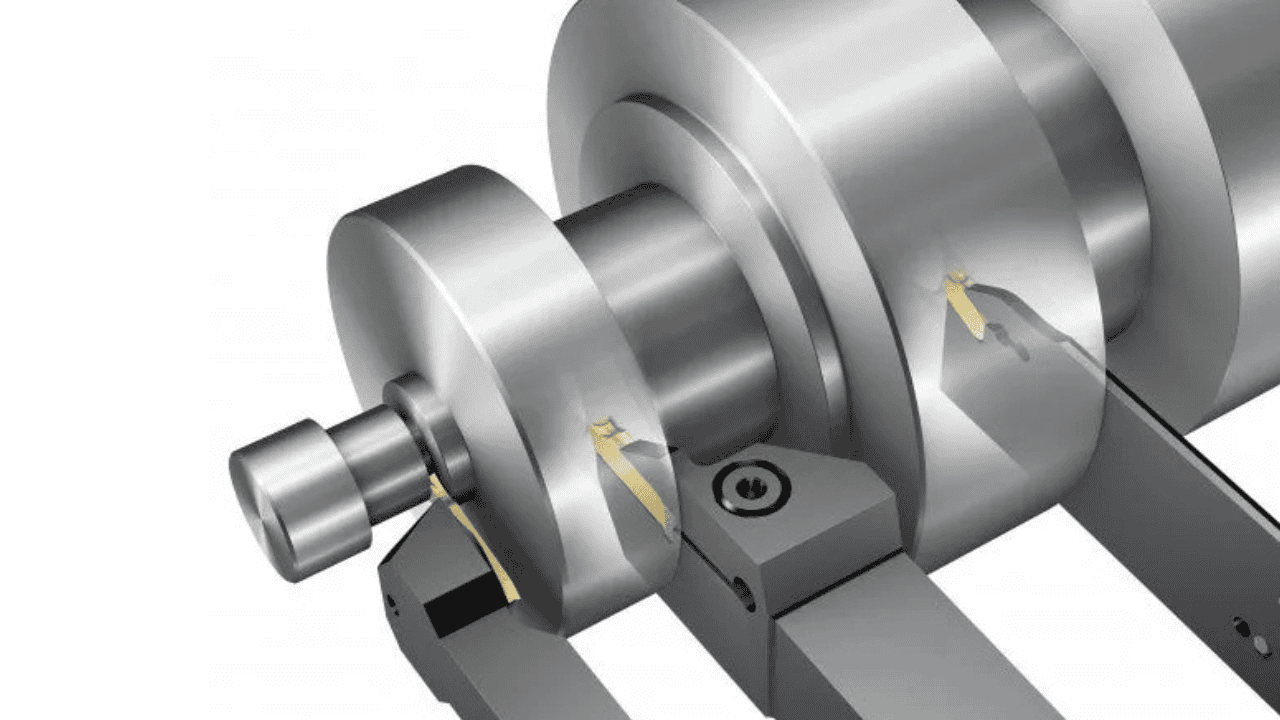
External-grooving is a process of creating channels on the outer surfaces of round workpieces. The cutting tool moves in a circular path along the workpiece to remove material from intended locations. You can use this method to add functional features on the outer diameter or to create O-ring grooves on shafts.
-
Internal Grooving
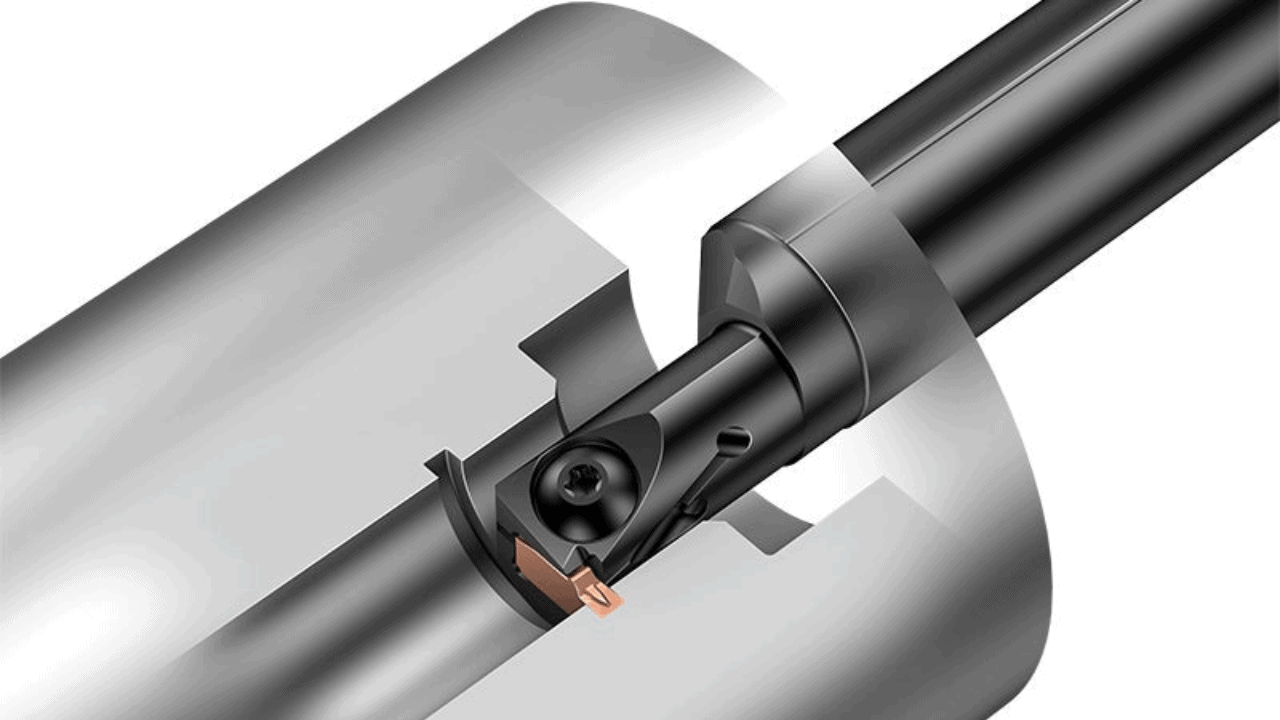
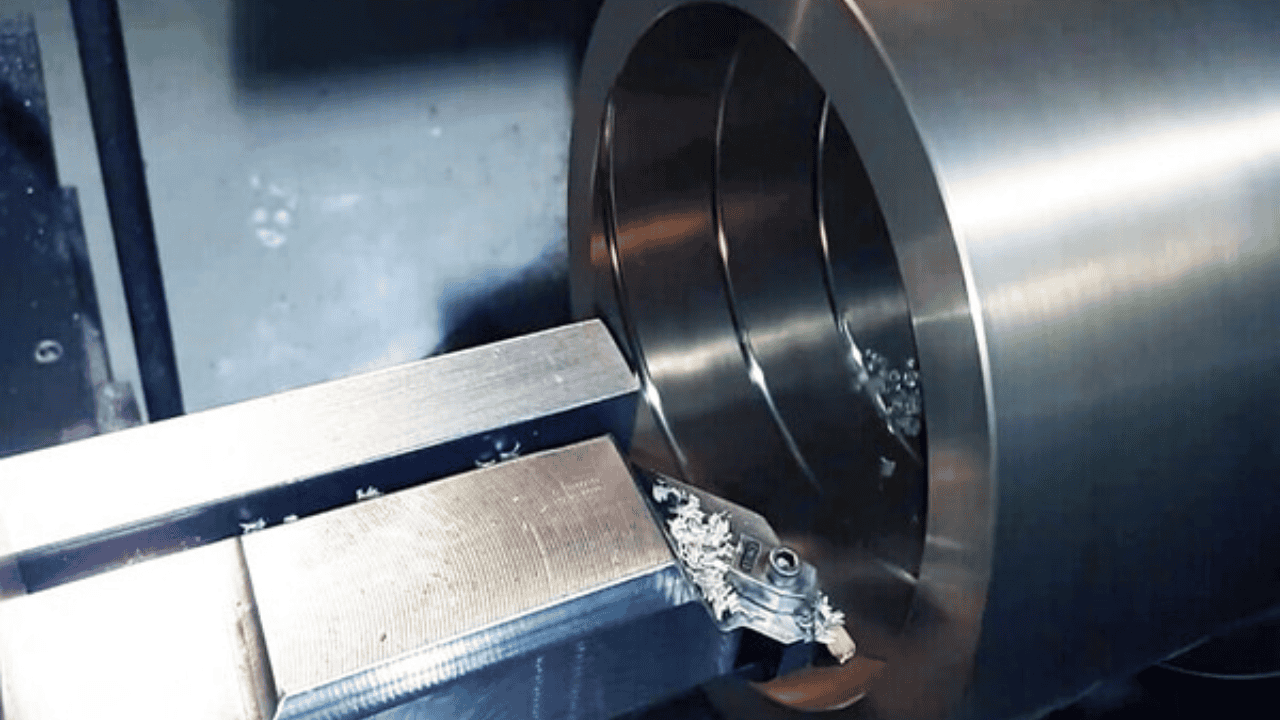
Internal-grooving creates grooves on the inside of material for bores or hollow workpieces. To make these grooves we need special tools with high rigidity so that deflection can be prevented. In addition you must assure proper chip removal and the use of adequate coolant. This type of grooving usually starts at the back of the hole and progresses forward.
-
Face Grooving
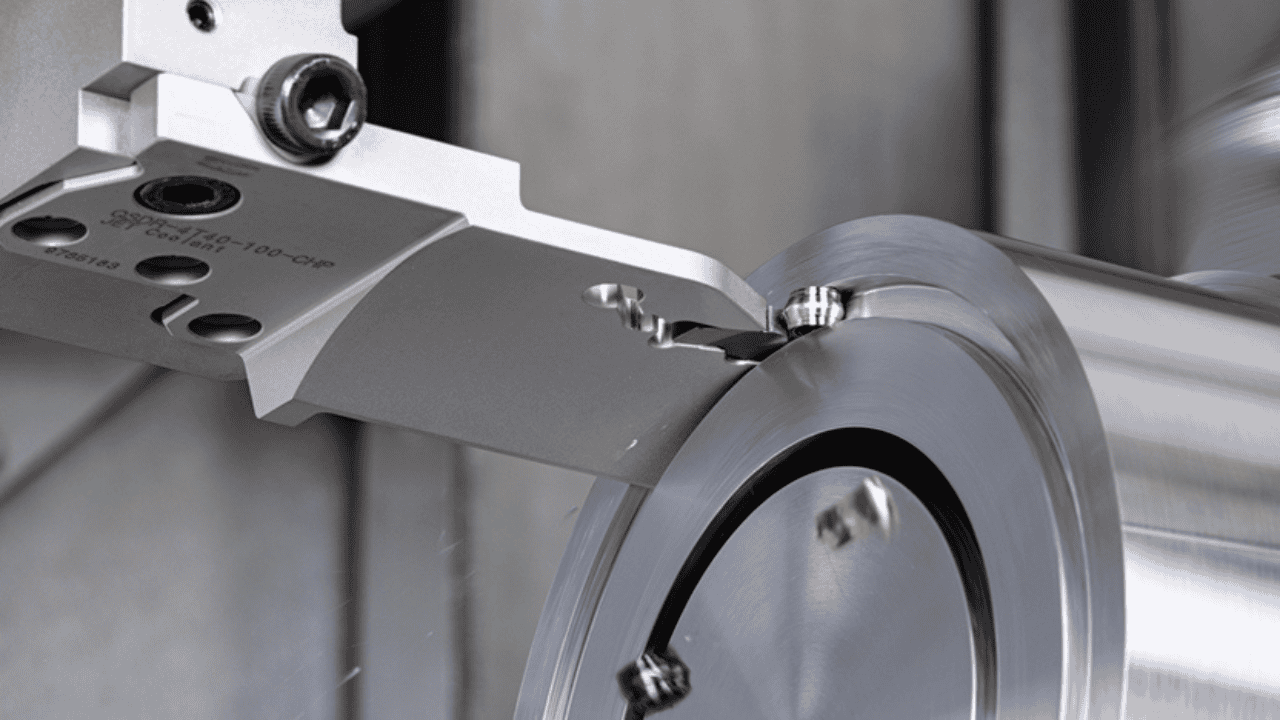
This technique creates circular channels on smooth surface of the workpiece. The tool moves at right angles to axis of rotation of the workpiece. For best flexibility & accuracy in making seals, O rings or mating surfaces, operators prefer clamp-on grooving equipment.
Based on Geometry
-
Straight Grooving
This method creates linear & uniform channels whose dimensions remain constant throughout the workpiece. This process demands stable cutting equipment that maintain detailed dimensional accuracy with minimal deflection. You will find this technique particularly useful in creating symmetrical grooves for O-rings, seals as well as retaining rings.
-
Undercutting
This special technique creates recessed features underneath the surface of the workpiece. Standard tools cannot reach these parts from one direction which makes special tools such as lollipop cutters & T-slot cutters very important. Undercutting is necessary for creating O-ring grooves, interlocking features as well as stress relief zones.
-
Contour Grooving
Advanced CNC programming gives contour grooving the ability to create angular & non linear grooves with adjustable depths & widths. The aerospace & automotive industries often use this technique to create special parts with complex groove profiles.

Specialized Operations
-
Spline Machining
In spline machining, you’ll create uniform teeth or ridges that connect with matching grooves. These connections allow torque transfer between parts. The process depends on specific techniques such as shaping, hobbing as well as power skiving to produce involute or straight sided splines.
-
Parting Off
Parting separates the workpiece from its parent material through complete cutting. To get best results you need adequate cutting speed & strong tool holders. Correct alignment is also important in this operation. The cutting edge must be parallel to the lathe axis. This alignment prevents damage to the finished component as well as guarantees clean separation.
Tools & Equipments
Cutting Tools
Your choice of cutting tools will determine the result of your grooving operations. Here we will discuss different tools that are very important in precision grooving.
-
Carbide Inserts

These tools resist wear effectively and give extraordinary hardness during grooving operations. Their ability to maintain a sharp edge at high speeds makes them a perfect choice for working on abrasive materials such as cast iron & steel.
-
Dovetail Mills
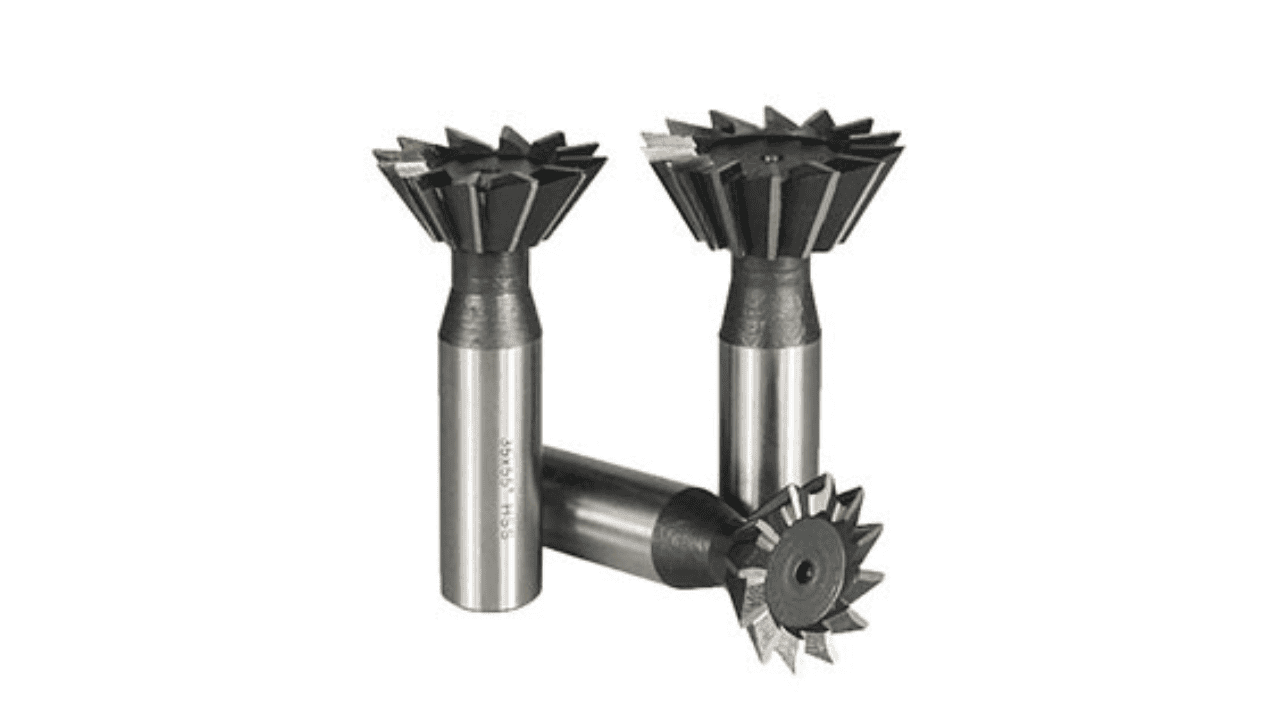
These special tools create angled grooves that are wider on the bottom in contrast to the top. The cutting edges go through precision grinding for dimensional accuracy. You’ll typically find angles from 45 to 60 degrees which are perfect for self locking assemblies as well as mechanical interference fits.
-
T-slot Cutters
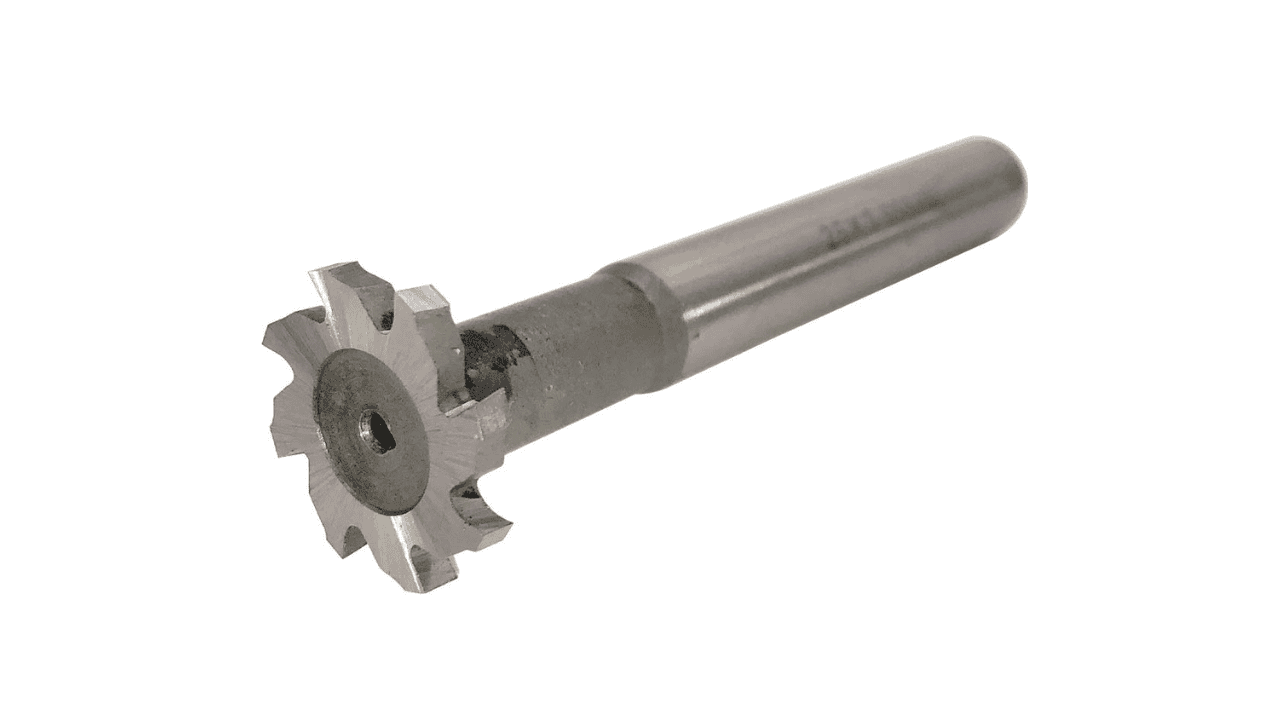
To create T-shaped grooves with accurate undercuts, T-slot cutters are necessary. Their design features a wide cutting head & narrow neck that creates a unique T-profile.
Machines
Best results in grooving operations depends on choosing the right machinery. Here are the important machines for professional grooving.
-
CNC Lathes
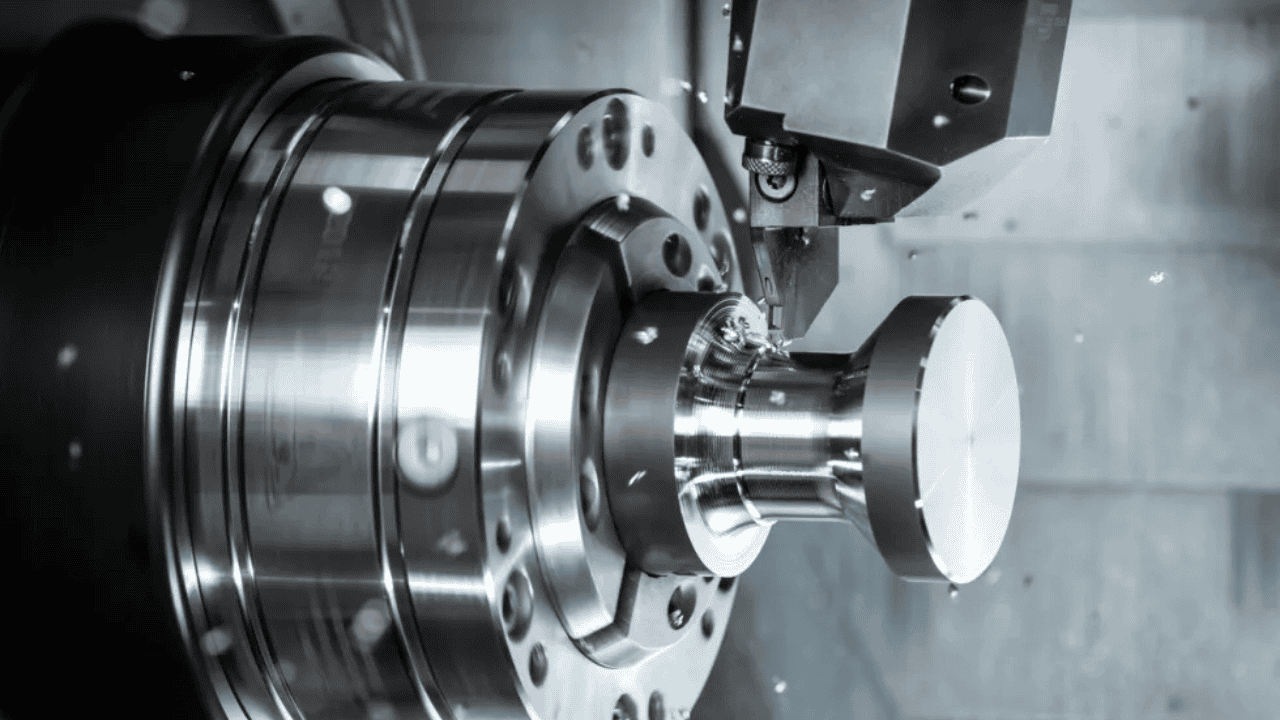
Modern CNC lathes provide automated precision for different grooving operations like internal, external as well as face grooving. Their multi axis control is capable of creating complex grooves with minimal operator intervention. Advanced controls guarantee uniformity as well as precision tool path through continuous monitoring of cutting parameters.
-
Tool Holders
Strong clamping mechanisms in tool holders stop movement of cutting tools during operation. These holders maintain accurate tool positioning while effectively resisting deflection under heavy cutting forces.
-
Broaching Machines
These machines create precise external & internal grooves using progressive cutting teeth. A single pass can create complex profiles with outstanding uniformity. Controlled linear cutting motion helps maintain tight tolerances even in large scale production.
Material Considerations
Successful grooving operations for each material demand unique adjustments in tool selection, cutting parameters as well as machining strategies. Understanding these material-specific requirements is very important for best results.
Stainless Steel
Due to work hardening properties as well as high hardness of stainless steel, low cutting speeds are needed in its grooving. Tools wear out quickly when working with this material which makes continuous use of coolant necessary. When stainless steel is machined correctly it gives great surface finish regardless of its challenging nature.
Titanium
The machinability of titanium is limited by its finite elasticity & low stress to strain ratio. Without proper technique the material can deform during grooving operations. Textured tools give a solution to this by increasing machinability as well as decreasing friction when working with this material.
Plastics (e.g., PTFE, POM)
PTFE is great in chemical resistance but presents machining challenges & also lacks mechanical strength. POM combines wear resistance & high strength with excellent machinability that makes it suitable for precision parts.
Both materials need sharp cutting edges. You must carefully control machining speeds to avoid melting of these materials during grooving operations.
Aluminum
The flexible & soft nature of aluminum permits high cutting speeds in machining operations. You can create special design structures with aluminum that are not possible with traditional manufacturing methods. To work efficiently with aluminum use sharp cutting tools with a high rake angle. This method helps manage threadlike and long chips that can block the cutting area.
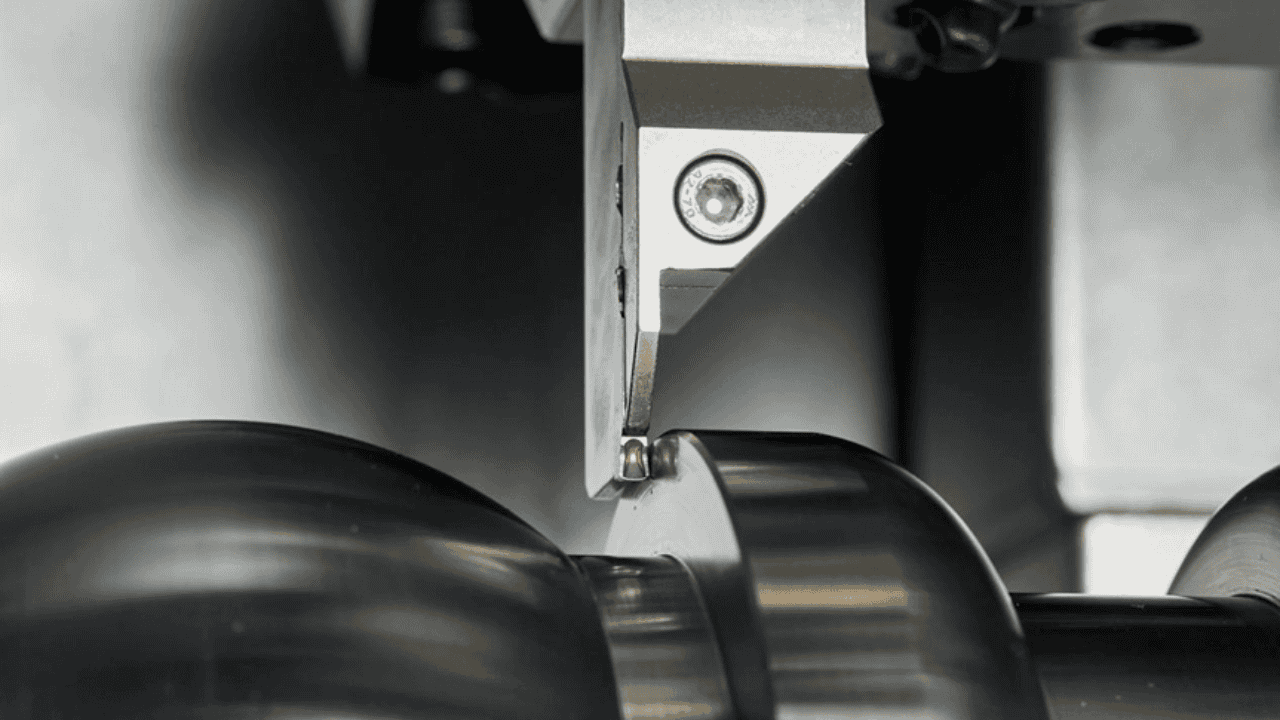
Challenges & Solutions
Tool Wear
Tool wear accelerates during grooving due to heat build-up & cutting forces concentrated on the cutting edge. Choose carbide coated cutting tools with high heat resistance to avoid this problem. For harder materials maintain adequate coolant flow & decrease cutting speed for better heat management.
Vibration and Deflection
Inadequate workspace clamping & long tool overhangs often cause tool vibration & deflection. These problems affect surface finish quality, tool life as well as dimensional accuracy. To stop vibration, implement dual-contact spindle systems and also minimize tool overhang.
Chip Evacuation
Poor chip control affects machine performance as well as surface finish quality which often causes tool breakage. You have to maintain constant coolant flow to remove chips and also use cutting tools with effective chip control geometry to prevent tool breakage. Deep grooves need peck grooving techniques that include intermittent cutting to avoid chip accumulation.
Tips for Precision Grooving
Tool Selection
The tool should be selected according to workpiece material & dimensions of your groove. For high speed operations use carbide inserts as they have higher wear resistance & hardness. Choose a customized geometry according to your particular needs. Also, use proper chip breakers for an efficient & clean cut chip evacuation.
Coolant Management
During groove cutting, maintain a constant coolant supply for efficient heat evacuation. Deep grooves present special challenges because of limited access which make adequate coolant flow necessary to prevent material distortion & tool overheating. In confined cutting areas use a high pressure coolant system for better chip evacuation.
Workpiece Clamping
A tightly secured workpiece lowers vibration during machining operations. Use proper fixturing techniques to restrict deflection. This method makes sure that the finished groove meets geometric accuracy specifications.
Cutting Parameters
The material properties of your workpiece will determine the right feed rates as well as cutting speed. Start with a careful feed rate and increase them progressively to reach the best balance. Set appropriate depth of cut to maintain dimensional accuracy that does not overwear the tool. When you set the correct parameters, heat generation will be decreased, thus tool life will be longer.
To Sum Up
The accuracy & flexibility of groove machining make it a very important technique in metalworking. Whether you need internal or external grooving, the better results depend on following the correct methods on different materials as well as picking the right tools.
If you are in need of expert groove-machining services, then hmaking is your best option. Contact us today to elevate your metalworking projects.
Related Questions
How does groove geometry affect tool selection for stainless steel & aluminum?
Stainless steel needs carbide tools with special coatings, to handle slower cutting speeds, higher hardness as well as work hardening characteristics. Whereas aluminum needs tools with sharper cutting edges & higher rake angles to handle longer chips as well as its sticky nature.
What is the main difference between turning & grooving in CNC-machining?
Turning decreases the diameter of cylindrical workpieces. On the other hand, grooving creates narrow recesses or channels in the workpiece.
What precautions are necessary when performing deep internal grooving on titanium alloys?
Keep overhang to a minimum and choose sturdy toolholders. Program feeds to run progressively to avoid chip jamming. Ensure continuous coolant supply to control heat build up.
Why is chip breaker design so important for grooving operations in ductile materials such as brass?
Chip breaker design in ductile materials such as brass controls chip evacuation & formation. Efficient design decreases heat build up, prevents chip jamming and increases tool life.