


The creation of complex prototypes heavily depends on CNC-machining. This technology decreases product errors, gives excellent precision and speeds up prototype development.
This blog post covers the materials, benefits, applications as well as challenges in CNC prototype machining.
What is CNC-Prototype-Machining?

To put it simply, CNC-prototyping is a process that is used to convert digital designs into physical models using computer controlled equipment. This process removes material from solid blocks with precision, to create detailed model products before large scale production.
Users benefit from its excellent precision with tolerances up to ±0.01millimetre as well as its faster production times. This technology supports multiple materials that makes it very versatile for a variety of manufacturing needs.
Commonly Used Materials in CNC-Prototyping
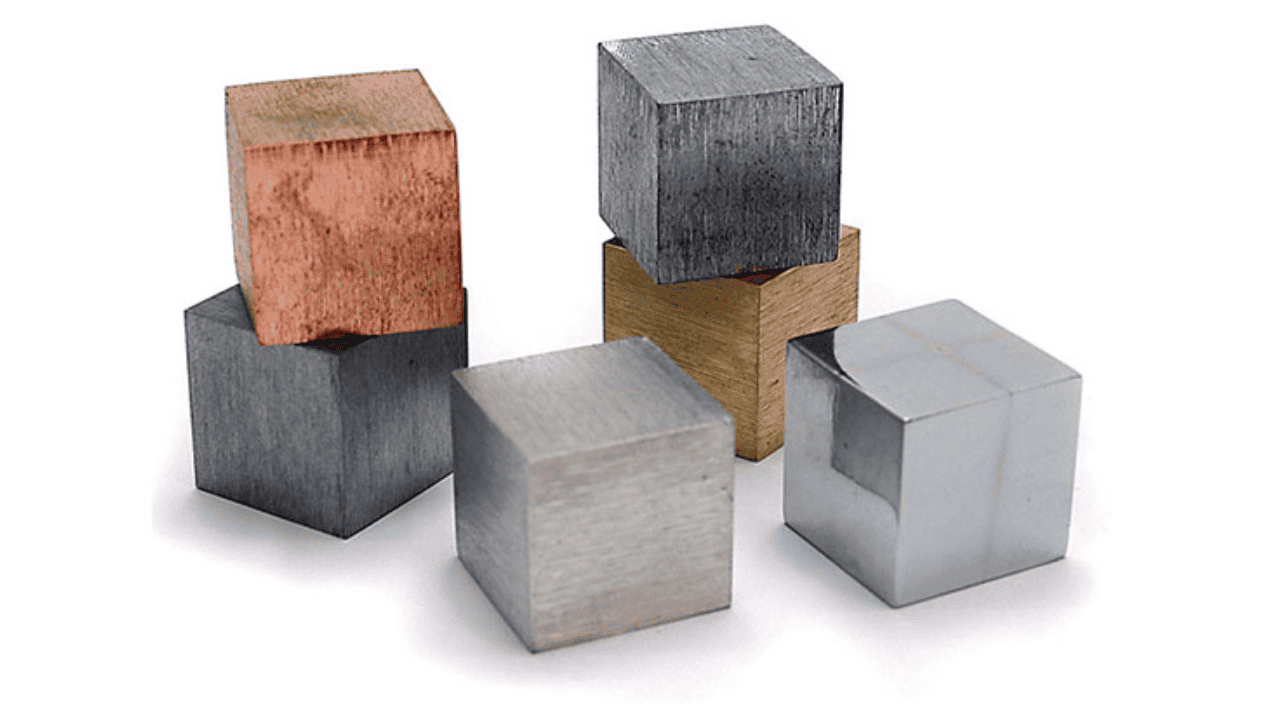
i. Metals
Steel
Steel’s tensile strength & exceptional ductility make it indispensable for high stress prototypes. This metal works great in production of complex parts for aerospace, automotive and industrial structures. Moreover its hardness gives excellent wear resistance in tough applications.
Aluminum
7075 & 6061 aluminum alloys are best choice for CNC-prototyping. These alloys combine high strength-to-weight ratios with excellent machinability. They also have good thermal conductivity & resists corrosion effectively.
Manufacturers prefer aluminum for making components, because it is recyclable & cost effective.
Titanium
Titanium’s outstanding strength-to-weight ratio makes it special in CNC-prototyping. This metal maintains its structure even under extreme conditions & exhibits excellent biocompatibility. High performance industries & medical facilities depend on titanium for critical components.
ii. Plastics
Nylon
This thermoplastic reduces friction & provides excellent wear resistance. Nylon maintains its dimensions well & can be easily machined. These characteristics make it perfect for manufacturing bushings, gears as well as electrical insulators through CNC-prototyping.
ABS
ABS gives high tensile strength between 40 to 48 MPa. It is easily machined and can withstand impacts effectively. It remains stable at temperatures up to 94°C.
Manufacturers use ABS for electronic housings, automotive dashboards as well as other consumer products.
Polycarbonate
Polycarbonate features a combination of heat stability & optical clarity. This material is best for lighting components, protective shields and medical device enclosures. Polycarbonate prototypes are advantageous for applications that require strength & transparency.

iii. Composites
Glass Fiber Reinforced Polymer (GFRP)
GFRP is composed of glass fibers embedded within a polymer matrix. This design creates a material with good impact resistance as well as excellent strength-to-weight ratio. Aerospace & automotive industries often use GFRP for prototypes where low weight is required.
Carbon Fiber Reinforced Polymer (CFRP)
CFRP incorporates high strength carbon fibers within a polymer resin matrix. This composite has a tensile strength of 60 to 72 MPa. Its excellent corrosion resistance, rigidity and great fatigue resistance makes it a perfect choice for automotive & aerospace prototype applications.
Advantages of CNC-Prototyping
- CNC-Prototyping supports a variety of materials, from metals to plastics & composites. Users can select specific materials based on required properties such as durability, strength or thermal resistance.
- Automated toolpaths in CNC machining achieve precise tolerances of up to 0.001 inches. This precision guarantees that each prototype iteration maintains uniform performance standards & accurate specifications.
- Multi axis capabilities allow for machining designs with tight tolerances. A single setup can create accurate undercuts, deep cavities as well as complex angles which guarantees accuracy for demanding prototype applications.
- Automated CNC processes decrease setup time and speed up production. This automation maintains precision, reduces waste and labor costs⸴ which results in cost effective as well as efficient prototype production.

Applications of CNC-Prototyping
a. Medical Sector
Medical field uses CNC-machining to create prototypes of surgical instruments, prosthetics and implants. These prototypes undergo patient-specific testing and help verify compliance. Medical device manufacturers use these prototypes for clinical validation before starting full production.
b. Defense & Aerospace
Defense & aerospace sectors depend on CNC-machining to manufacture prototypes of vehicle housings & landing gear ports. These components are rigorously tested for durability, performance as well as environmental compatibility before full production begins.
c. Electronics
This industry depends on CNC-machining for prototyping heatsinks, PCBs and device enclosures. These accurate prototypes help verify thermal management as well as electromagnetic shielding capabilities before starting full production of sensitive electronic components.
d. Automotive Industry
Automotive manufacturers apply CNC-prototyping to build and test engine pistons, blocks as well as other high performance parts. This process permits thorough performance testing, design refinement while guaranteeing compliance with safety standards.
e. Consumer Products
Consumer product manufacturers incorporate CNC-machining to create functional prototypes for electronics casings as well as appliance housings. This method allows rapid production of test components that require structural stability as well as aesthetic appearance.
f. Energy
Power generation facilities implement CNC-prototyping to test critical components for their transmission and storage systems. This testing process verifies each part’s ability to perform under harsh conditions while meeting stringent performance requirements.
g. Agriculture
Agricultural equipment manufacturers also use CNC-machining to produce prototypes of essential components such as plow blades & tractor parts. Field tests conducted with these prototypes confirm the stability of the devices under real farming conditions.

Challenges with their Solutions
- Initial investment, programming requirements as well as setup costs for CNC machinery can be quite high. Organizations can address this challenge by leasing equipment, investing in multi purpose machines or partnering with CNC service providers.
- CNC systems connected to ERPs & cloud platforms face security threats from ransomware as well as non virtual access. You can protect your intellectual property through intrusion detection systems, multi factor authentication and network segmentation. Regular firmware updates & security patches are also very important.
- Each material presents specific machining challenges. For example heat can affect plastics, titanium corrodes the tool quickly and harder metals require special tools. Operators must use material-specific cutting parameters, proper CNC coolants as well as advanced tooling to overcome these problems.
- Successful CNC-prototyping needs advanced CNC machine programming & troubleshooting skills. Organizations should implement comprehensive training programs as well as professional certification to fill this skill gap.
To Sum Up
CNC-prototyping is very important for modern manufacturing success. Its adaptability, accuracy and efficiency overcome the challenges of implementation acquisition. This technology is indispensable for rapid product development in multiple industries.
At hMaking we provide outstanding CNC prototyping services and guaranteees high-quality and fast turnaround times. Contact us today to discuss your project needs.
Related Questions
What post-processing steps are necessary after CNC-prototype-machining?
Important post-processing steps include edge deburring, surface polishing as well as selective heat treatment. These steps improve material properties & part quality.
How is CNC-prototyping different from 3D printing for functional prototypes?
CNC-machines give better material strength, accuracy as well as surface quality for functional prototypes. On the other hand, 3D printing is beneficial for complex geometric designs & fast iterations.
How does CNC-prototyping support sustainable manufacturing practices?
This process promotes sustainability through minimal waste production, accurate material use as well as compatibility with recyclable materials.
Can CNC-prototyping achieve the same surface finish as injection molded parts?
CNC machining can achieve a premium surface finish (Ra 0.8 to 3.2 µm) equal to quality of injection molding. In addition some processes such as anodizing or polishing further increase surface properties.