


Do you know how raw brass is transformed into a precise / particular component? Well, brass CNC machining is the technique which is used for this purpose. This process turns brass material into custom brass parts that are both strong and beautiful.
You can use it to produce components for guitars, jet engines, medical tools and more. This guide shows you how it works, where it’s used & the best brass grades for you.
What is Brass CNC Machining?
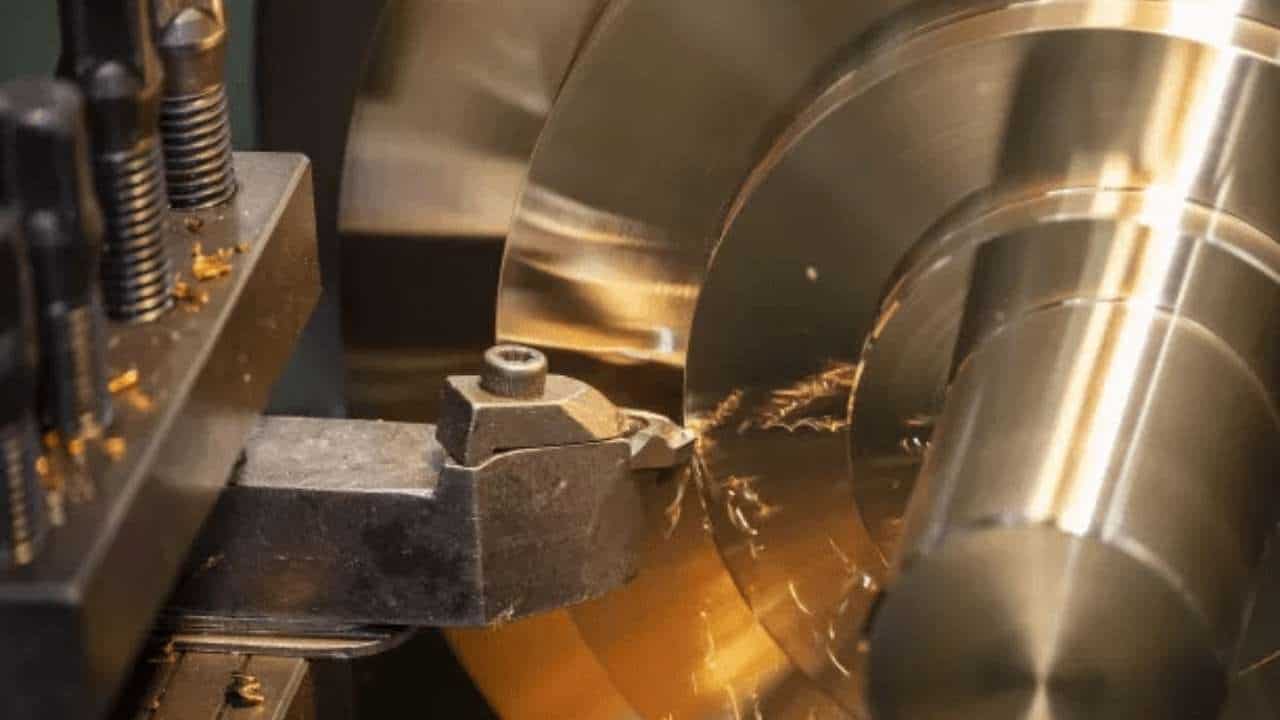
Brass CNC machining is like using a super-precise robot sculptor to shape raw brass into custom parts. You don’t do it by hand. The machine follows a digital design to make sure every piece comes out just right.
Basically, brass is a mix of copper and zinc metals. It is soft, rust-proof and perfect for detailed designs. Now, you are thinking why brass is used and not other metals, right? Well, it’s easy to machine, conducts electricity well and looks golden-polished. Plus, brass scraps can be recycled, so you’re saving money and the planet.
How Brass CNC Machining Works

Let’s walk through how brass CNC machining is carried out step by step. You’ll see how each part works together to shape the perfect brass piece for your project.
Design and CAD Modeling
It all starts with a digital design. You have to use CAD (Computer-Aided Design) software to draw the exact shape and size of the part you want. This step is very important because here you decide every detail, like dimensions, holes, thicknesses and curves before the machine even starts.
Once your design is ready, you need to convert it into a format the CNC machine can read. You don’t need to guess or measure by hand. The machine follows your design closely, so you get a part that fits and works just like you planned.
Tool Selection and Setup
You need sharp & precise tools for brass. You have to research and compare tool types, sizes and materials. For example, carbide bits cut are excellent for achieving sharp cuts, while diamond-coated offer superior durability.
Next, you need to set up these tools in the CNC machine. You (or your operator) should adjust speeds carefully because too fast melts brass and too slow drags. Additionally, you must clamp the brass tightly, like securing ingredients before chopping.
Sharp Cutting and Finishing
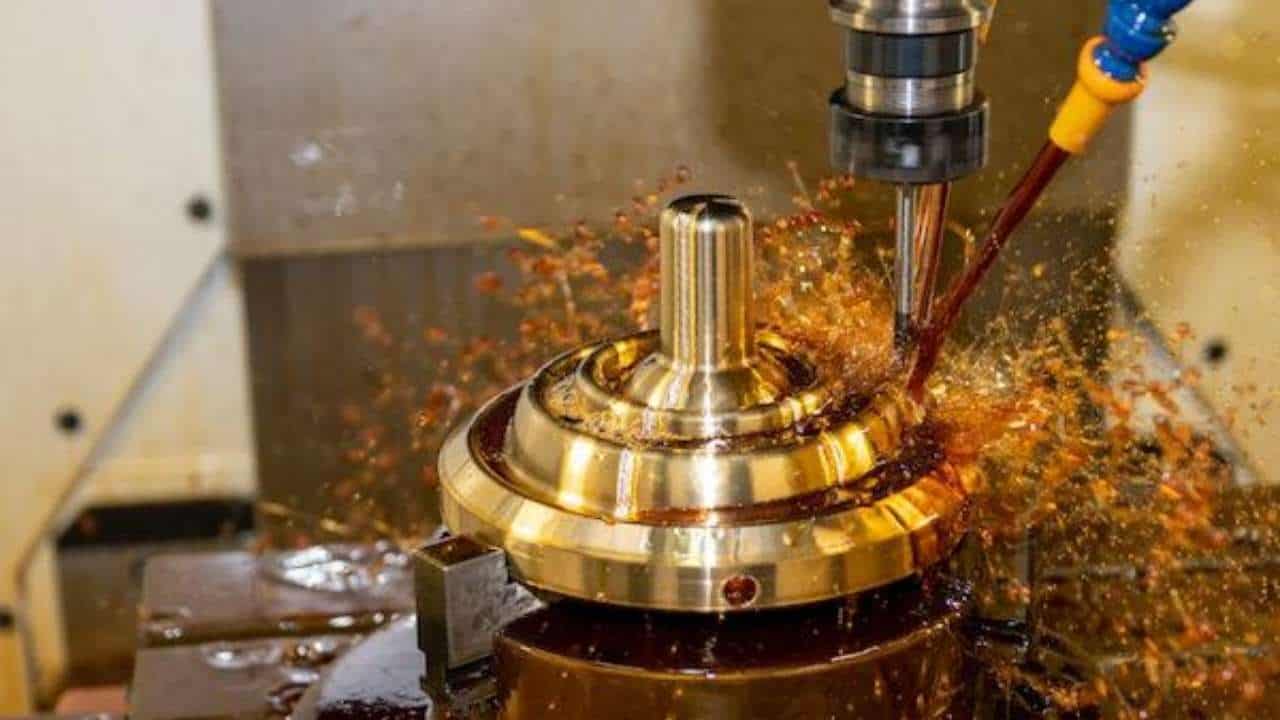
Now, the CNC machine follows your design to cut the brass. Sharp tools spin and slice the metal exactly how you planned. This will turn the digital model into a real piece layer by layer.
After cutting, you need to give a final smooth look to that part. For this purpose, you can either brush it for a dull look or polish it to shine. Since brass is soft, you need to handle it gently to keep it scratch free. Now, your part is ready to use, hidden in a machine or shown off as decoration.
Post Processing Operations
After the CNC machine finishes cutting, you need to clean and deburr the brass parts. To do this, you have to remove any dust or leftover chips and smooth any tiny rough spots. You should check each part closely to be sure every detail meets your design.
Following that, you also have to inspect the part for quality and make any extra adjustments. In addition, you can apply protective coatings if necessary. These operations help you achieve a final product that is clean, safe and exactly as designed.
What Makes Brass Great For CNC Machining

Brass is a popular choice for your CNC machining because of its special qualities. Following are the reasons which make brass a great option for machinists and manufacturing plants.
- Recyclability: After doing brass CNC machining, you can again melt down brass easily and turn it into new things further. For example: door handles, pipes, electrical components and other useful products.
- Corrosion Resistance: Well, brass doesn’t rust or corrode easily, no matter if you expose it to water or air. That is why it is an ideal option for your CNC machining.
- Soft and Easy to Shape: For CNC machining, you can easily cut, drill and mold brass into detailed parts without much effort. Because it is simple to form and malleable as compared to other metals.
- Conductivity: If you want to do CNC machining in the electronics or telecommunication industry, you can trust brass over other metals. Main reason is that it is a good conductor of electricity.
- Good Appearance: Brass has a shiny and gold-like appearance which gives your CNC machined product an attractive and professional look. Plus, its smooth finish makes it a popular option for your decorative items, hardware and fittings.
Common Brass Grades Used in CNC Machining

Following are the most common grades of brass used in CNC machining for various applications.
| Grade | General Name | Machinability | Key Characteristics |
| C260 | Cartridge Brass | Good & easy to machine | It is best for bending and shaping |
| C360 | Free-Cutting Brass | It has excellent free-cutting properties | Perfect for tiny & detailed parts |
| C230 | Red Brass | It’s decent & slower than free cutting | Your go-to for water and marine parts |
| C385 | Architectural Brass | It’s easy to machine | It’s ideal for shiny and decorative pieces |
| C464 | Naval Brass | This is more challenging and requires care | Generally built for saltwater and tough jobs |
C260
You’ll love the C260 if you need parts that bend easily, like metal sheets or tubes. It’s 70% copper and 30% zinc, so it’s strong but won’t crack when you form it. You can use it for ammunition casings, plumbing fittings or decorative trim.
This grade is ideal when you need reliability and beauty in a part. However, it’s not the best for high-precision cuts. But if you need a piece that twists or stretches, C260 works great.
C360
C360 is the easiest brass to machine. It has a little lead added (up to 3.7%), so tools slice through it like butter. You can use it for screws, gears or electrical connectors where smooth edges matter. Additionally, it also lowers tool wear, making it easier for you to maintain your equipment.
This grade is perfect when you want precision and a high-quality finish. But remember, don’t pick C360 if your piece faces high heat or needs welding. The lead makes it melt faster. Plus, it has higher reactivity towards acid, so you need to avoid using it in acidic conditions.
C230
With 85% copper, C230 resists rust better than most brasses. By using this grade, you will get a warm, reddish tone that makes your projects stand out. Although it’s slightly harder to machine than C360 but it lasts longer in wet places.
Therefore, try to use C230 if you need parts that look good and survive harsh weather. You can see its common applications in pump parts, plumbing valves and boat fittings.
C385
C385 is actually a brass (not bronze) with 57-60% copper. It is favored when you want a brass grade that offers beauty and workability. You will get a bright golden finish that fits well in architectural and decorative projects.
Generally, this grade of brass is used in light fixtures, trim work or fittings where a refined look matters. As it is softer than other grades, so you should avoid heavy-duty uses. But for looks? It’s a winner.
C464
C464 adds nearly 1% tin to brass, making it fight saltwater corrosion like a champ. You can use it for boat propellers, underwater fittings or marine hardware.
It’s tougher to machine than C360 but lasts decades in harsh conditions. This brass is best for parts that can’t rust but face constant water or stress.
Industrial Applications of Brass CNC Machining
Architecture and Interior Design
You’ll find brass in elegant railings, door handles and sprinklers. Its golden shine adds a luxurious touch to hotels, offices or homes. CNC machining lets you create custom designs, like vintage door knobs or modern wall art. Plus, brass won’t rust, so your decor stays beautiful for years.
Musical Instruments
As brass instruments like trumpets or saxophones need precise parts. CNC machines shape mouthpieces, valves and tuning slides so they fit well in these instruments.
You’ll get clear & rich sounds because every part matches the exact specification. Even tiny dents can ruin music, however, brass’s durability keeps your instrument in tune.
Aerospace Industry
Brass parts are important for making lightweight & durable components in aerospace. You need parts that won’t fail at 30,000 feet. Brass fittings in fuel systems, sensors and connectors handle extreme pressure and heat.
Moreover, CNC machining also makes sure that they meet strict safety standards. Whether it’s a jet engine or cockpit controls, brass keeps flights smooth and safe.
Medical Industry
Brass is non toxic and easy to sterilize. It is perfect for surgical tools or diagnostic devices. You’ll see it in needle holders, microscope parts or IV connectors. CNC precision means no rough edges, so your tools won’t harm sensitive tissues.
Electronics Industry
Your gadgets rely on brass for reliable power. It’s used in terminals, connectors & circuit board shields. Brass conducts electricity well and resists heat, so your devices won’t overheat. Next time you charge your phone, thank brass for steady energy flow!
Automotive Industry
From radiator cores to gear components, brass keeps cars running. You’ll find CNC-machined brass in fuel injectors, bushings and decorative emblems. It handles engine heat and vibrations so your vehicle lasts longer. Plus, polished brass adds a classic touch to your vintage car restorations.
Conclusion
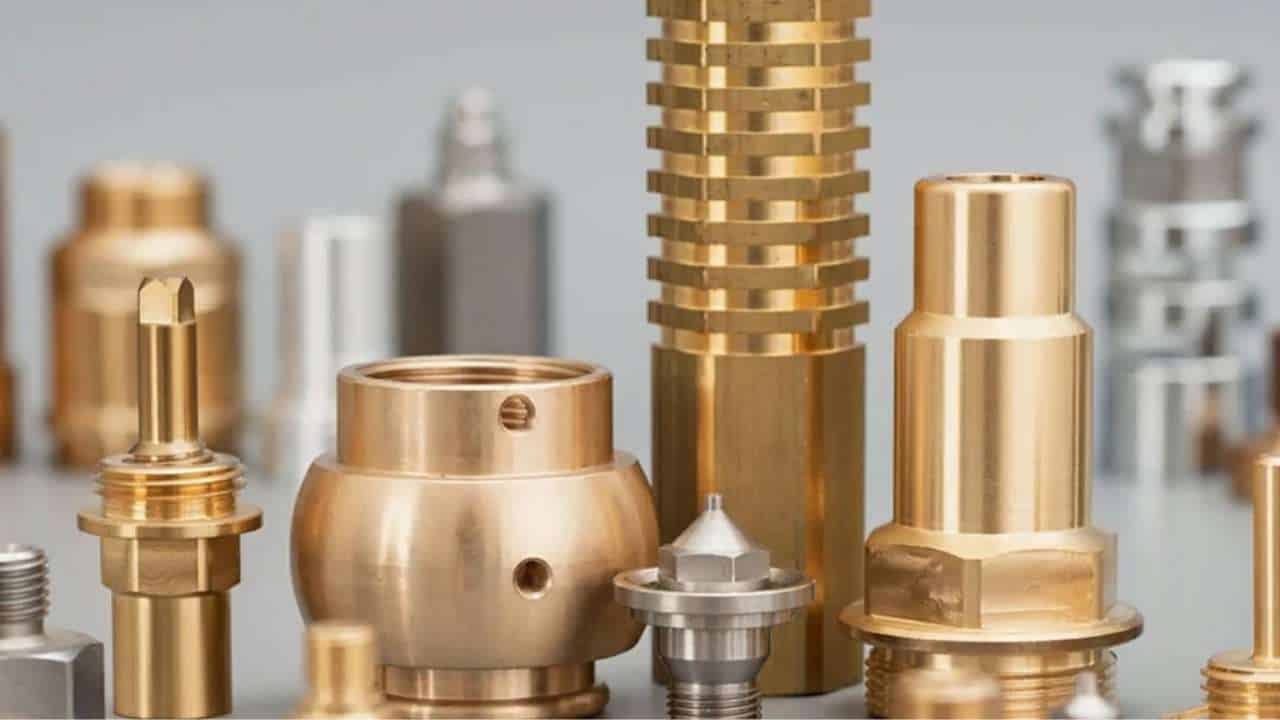
Brass CNC Machining helps you create parts that are strong, shiny and just the way you designed them. From tiny gears to decorative trims, you get pieces that fit perfectly and last long. With the right brass grade and careful machining, your projects work smoothly and look great.
FAQs
What is the Tolerance Range For Brass?
Brass parts can hold tight tolerances of ±0.005 to ±0.020 inches. You get better precision with sharp tools and slower cuts. For most jobs, ±0.001 inches works perfectly. Just tell your machinist how exact you need parts and they’ll adjust for you.
Is Brass CNC Machining More Expensive Than Other Materials?
Well, it’s right that Brass costs more than other materials but saves you money in the long run. Because brass machines faster, needs fewer tool changes & also creates less waste. You might pay 2−5 extra per kg vs. aluminum, but you’ll save hours of machining time. For big orders, brass might even cost less overall.
How Does Brass’s Composition Affect Its Machinability?
Brass is mostly copper + zinc, which makes it softer than steel but tougher than plastic. Moreover, the addition of lead makes it easier to machine. For instance, C360 brass (with 3% lead) slices smoothly, while high-copper brass (like C230) needs slower cuts. Soft brass means less tool wear, so you get parts faster and cheaper.