


Just like we have anodizing aluminum, it is possible for steel and other metals like titanium, zinc, magnesium, and niobium to be anodized.
The process of anodizing offers many benefits such as enhanced aesthetic appeal, increase in corrosive and abrasion resistance, and improves strength and durability of metal parts. Read on to find out how anodizing steel works and why it’s important for manufacturing processes.
What Is Anodizing Steel?
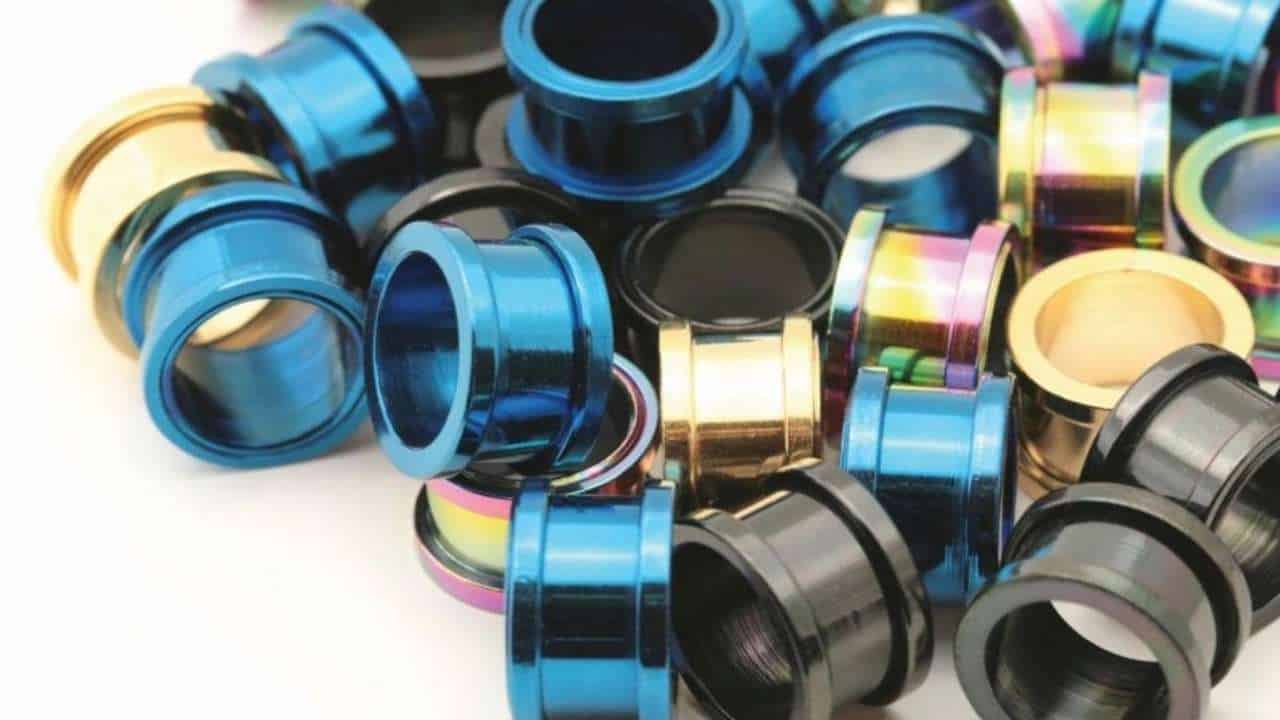
Anodizing steel is an electrochemical process that involves the coating of steel with an oxide layer which can be thin or thick to protect the steel from corrosion and wear. It also enhances the aesthetic appearance of the material.
Processes on How to Anodize Steel
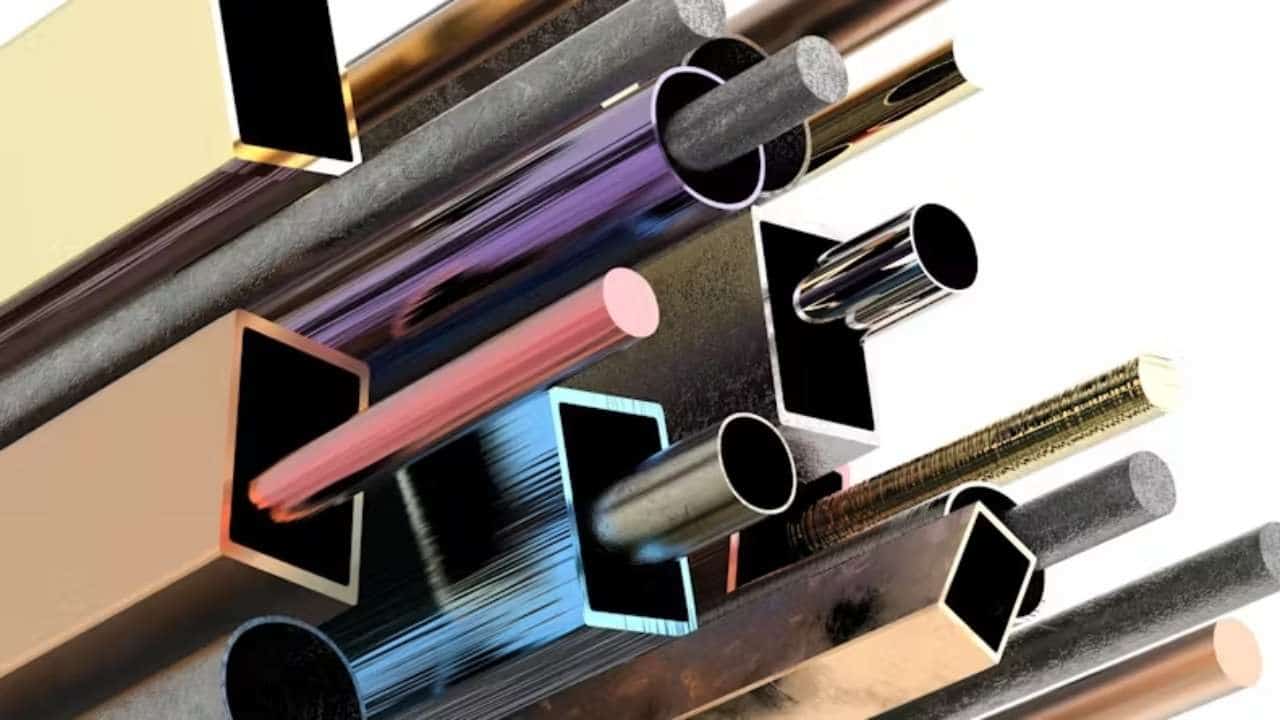
While it may look like there is not much physical difference between an anodized aluminium and an anodized steel. However, the process of anodizing steel is not the same due to its constituent element, iron.
For anodizing aluminium, an oxide layer is formed, but for anodized steel, a ferric oxide layer known as rust is produced which makes the steel prone to corrosion and because of that, anodized steel is usually coated with another metal like aluminium or zinc.
Here are a few steps to follow on how to anodize steel:
Preparation for Anodizing Steel

Cleaning and Surface Preparation
Surface treatment is a necessary procedure that ensures the material does not have any form of impurity going into the main process.
This involves thorough cleaning of the steel surface to be anodized with a deionized water to ensure the complete removal of dirt, grease, and contaminants. The final surface finish is dependent on how well the material surface was cleaned before anodizing.
Etching and Degreasing
Etching is done in order to ensure that all oxides, rust, and scale have been completely removed from the surface before anodizing. This process creates a rough surface for better adhesion of coatings.
Importance of Pre-treatment
It is highly important to carry out the above pre-treatments before anodizing steel because it ensures that your steel parts are completely clean and can easily absorb the coatings and treatments that would be applied on it to ensure a seamless surface finish.
Anodizing Process for Steel
Electrolytic Bath Composition
After cleaning your steel material, the next step is to immerse it into your electrolytic bath containing a 50% base solution of either KOH or NAOH. During this process, the steel is connected as the anode while another metal such as lead, aluminium, or zinc is used as the cathode.
Electrochemical Reaction
A high voltage of current is passed through the electrolytic bath across the two terminals at a constant temperature forming a magnetite film on the steel surface which enhances the corrosive resistance and protection of the anodized steel.
Post Anodizing Steel Treatments
Coloration
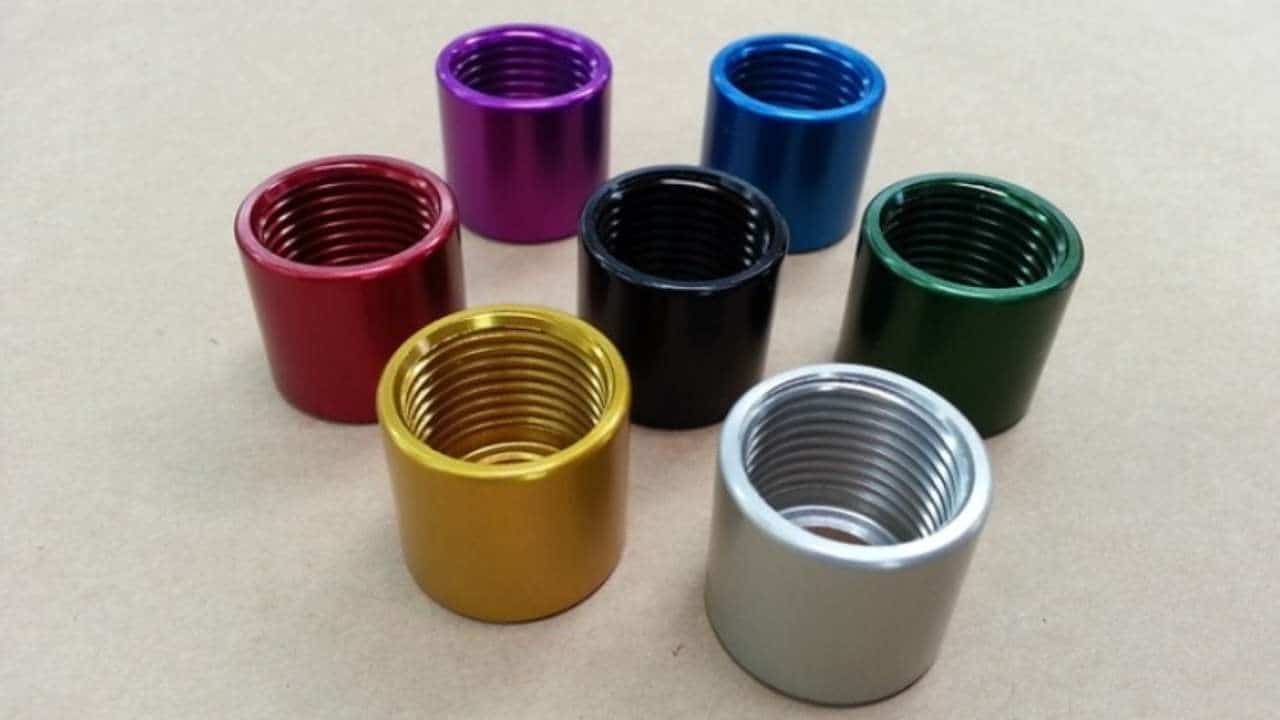
Now you have your anodized steel ready. But for a better aesthetic appeal, you might want to add colours to your steel. Colours can be added either by painting or dye application using heat or chemicals.
Sealing the Anodized Steel
Sealing of your anodized steel is usually the last process before distribution, it is achieved by dipping your anodized steel part into hot water or a chemical solution to lock in the colours and close the surface pores preventing any further reaction from taking place when exposed.
Applying Protective Coatings
Protective coatings can be achieved by various methods which can be electroplating, galvanizing, powder coating, or bluing. These are added to provide a decorative and durable finish while increasing its resistance to rust.
Benefits of Anodizing Steel

Anodizing steel offers many benefits including:
Enhanced Corrosion Resistance
Anodizing steel creates an extra protective oxide layer called the magnetite which prevents rusting and wear of steel parts. This increases the lifespan of anodized steel parts.
Improved Durability and Wear Resistance
The process of anodizing steel makes the surface hard and very strong, improving its durability. When friction occurs between two surfaces, the magnetite layer usually black acts as a barrier between the base metal and the surface.
Aesthetic Versatility
Rather than having your steel parts to be bare or in its natural colour, anodizing steel enhances its physical appearance and strengthens the steel.
Applications of Anodized Steel

There are many various types of steel like carbon steel, mild steel, galvanized steel, stainless steel, and zinc plated steel, all of which can be anodized to suit specific purposes.
These anodized steels have found their applications in various industries including:
Automotive Industry
Anodizing galvanized steel is relevant in the external parts of cars like the wheels, chassis, and other engine parts due to its high strength and its resistance to environmental damage such as salt spray and UV radiation. Anodized steel also offers a sleek appearance and is used for trims and panels within and around a vehicle to increase its aesthetic appeal.
Construction and Architecture
Anodizing mild steel is employed in the construction industry for interior designing and can be used as decorative panels, fixtures, and railings providing customizable appearance to a building structure. Due to its ability to withstand harsh weather conditions, anodizing galvanized steel and mild steel are used in roofing and other exterior parts of a building.
Marine Industry
One major type of anodized steel found useful in the marine industry is the anodizing zinc plated steel. It is inexpensive and serves as sacrificial anodes on ships and other marine vessels. For instance, instead of corrosion of the steel material, the zinc will corrode when breached.
Electronics and Appliance Manufacturing
Many electrical components used in houses like laptops, monitors, and other devices are manufactured with anodized steel because of its insulation properties and ability to withstand high temperatures.
Anodizing stainless steel is applied in the production of printers, house enclosures, fuse boards, and light fittings.
Industrial Machinery and Tooling
In the machinery industry, anodized steel tools often contain basic components like tungsten, cobalt, and vanadium. Combined, they give the tool an increased ability to withstand heat.
Anodizing tool steels are also rigid and strong because of their high carbon composition. They are therefore suitable for making hand tools and machine components that need a hard, wear resistant surface.
Limitations and Considerations

Although anodizing steel has its many advantages in various industries, it is not without its limitations and disadvantages. So it is crucial for industries to know these limitations when deciding to use either heat anodizing steel, hard anodizing steel, or anodizing steel parts for specific purposes. Below are some popular factors to consider:
Potential for Hydrogen Embrittlement
One of the major disadvantages of anodizing steel is the potential for hydrogen embrittlement to occur. It simply is the process of hydrogen atoms getting absorbed into the steel material during anodization causing it to be brittle and to readily crack.
Process Complexity
The processes involved in anodizing steel are more complicated than aluminum anodizing. Depending on the scenario, the process can only be successful if heat anodizing steel or hard anodizing steel techniques are employed. Also, anodizing steel needs to be done in a controlled environment like the laboratory because the chemicals used in anodizing can be more reactive with steel.
Thickness Constraints
Unlike the anodized oxide layer formed in aluminum which can be thicker and more uniformed, the anodized steel oxide layer is usually thin even with a hard anodizing steel. This thinner layer does not offer maximum protection against corrosion and harsh weather, thereby reducing the durability of the steel.
Color Limitations
Anodized steel is known to come with a natural colour of dull gray or black. Although colouration can be achieved through dyes and paints, it is however very difficult to get vibrant colours. Also, achieving consistent colours most especially with heat anodizing steel can be challenging because the final appearance is influenced by temperature.
High Cost
One would expect anodizing steel to be cheaper since anodizing aluminum is considered an economical process, but reverse is the case. Since anodizing steel is carried out under specialized equipment, conditions (heat treatment), and requires a consistent supply of current at constant temperature.
Conclusion

Anodizing steel helps to produce better, tougher, and more colorful parts. At HM, we carry out this process in a controlled environment using specialized equipment to ensure the highest quality of material for various industries. Click here to explore our wide range of materials and what you can do with them.