


Die-casting materials known as Zamak alloys are popular because they provide strength, resist corrosion, and are easy to mold. Zamak 5 is valued in structural applications because it is a high-purity variant with improved strength and performance. Here, you will discover what it is made of, its unique properties, key benefits, and various uses in industry.
What is Zamak Alloy?
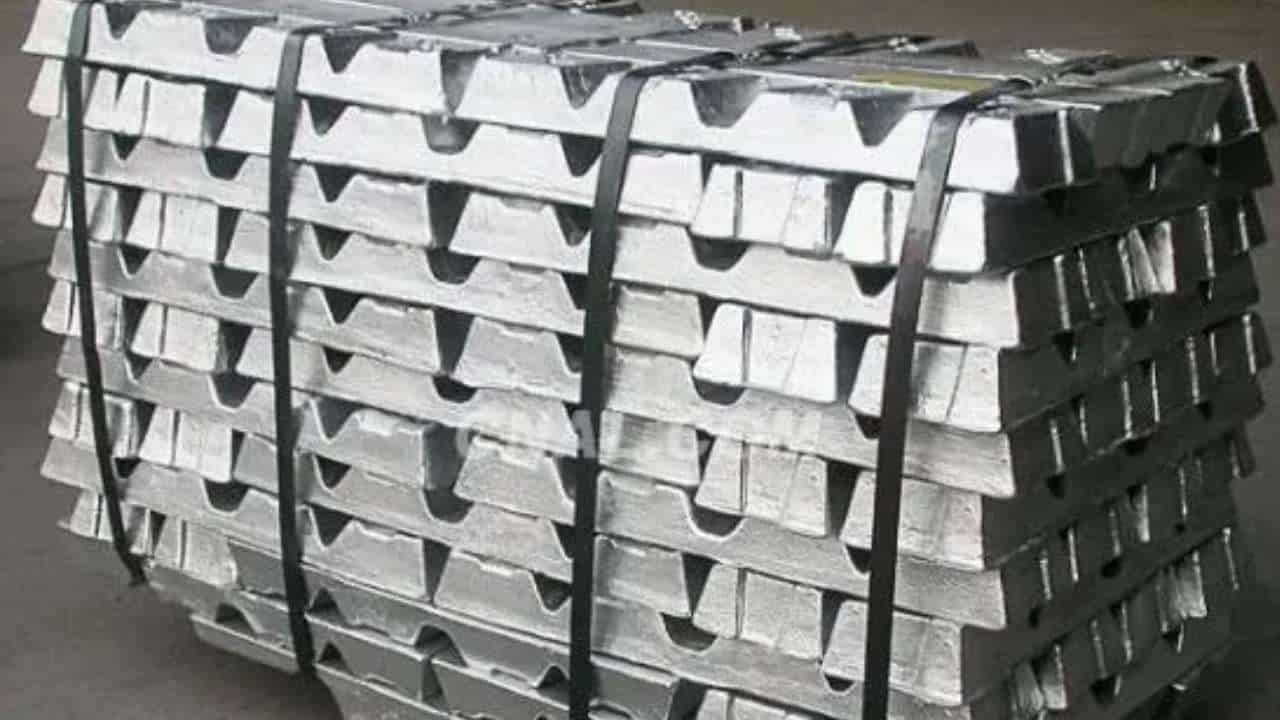
Designed for die casting, Zamak 5 is a zinc-aluminum-based alloy. It combines extra strength and shows resistance to corrosion. Being a part of the Zamak family, it contains more copper, which increases its strength and hardness when compared to Zamak 3. It can be cast easily, with moderate fluidity, and post-processing capabilities make it suitable for industrial settings.
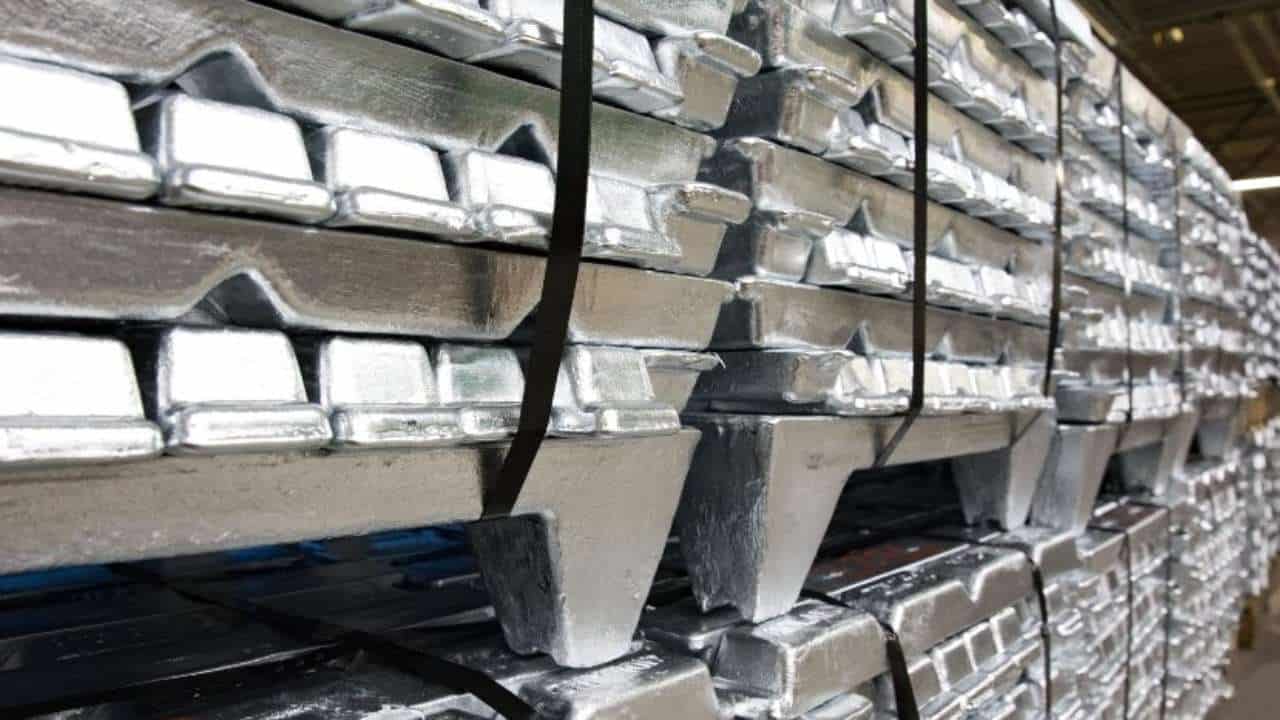
Chemical Composition of Zamak 5 and Role of Each Element
| Element | Content (% by weight) | Role in Alloy |
| Zinc (Zn) | Balance | It is a base metal that provides corrosion resistance and castability. |
| Aluminum (Al) | 3.8–4.2% | It increases hardness and improves surface quality. |
| Copper (Cu) | 0.7–1.1% | It enhances strength and wear resistance. |
| Magnesium (Mg) | 0.035–0.06% | It improves grain structure and strengthens the alloy. |
| Nickel (Ni) | 0.005–0.02% | It reduces intergranular corrosion. |
| Iron (Fe) | ≤ 0.075% | It has controlled impurity, and excessive amounts reduce ductility. |
| Lead (Pb) | ≤ 0.003% | The impurity can cause embrittlement. |
| Cadmium (Cd) | ≤ 0.002% | Impurity may lead to corrosion issues. |
| Tin (Sn) | ≤ 0.001% | Impurity can negatively affect mechanical integrity. |
Physical and Mechanical Properties of Alloy Zamak 5
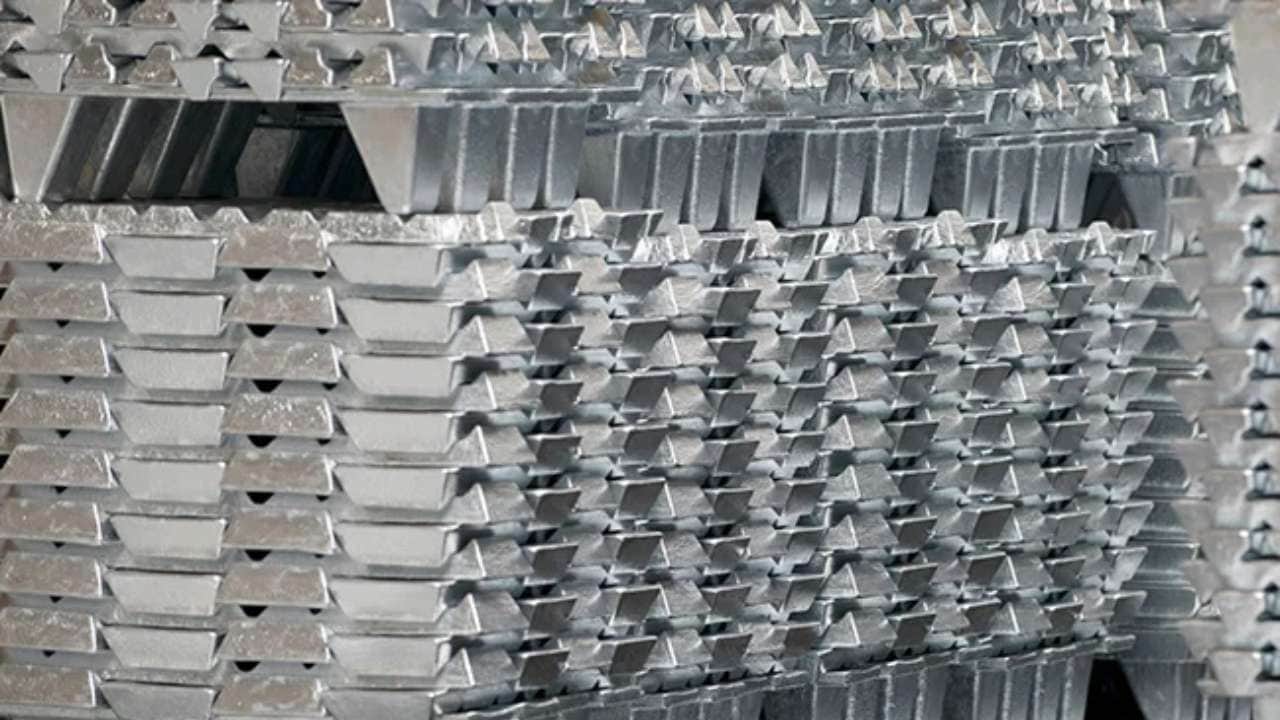
Physical properties:
| Properties | Density | Melting Point | Thermal Conductivity | Electrical Conductivity |
| Attributes | 6.6 g/cm³ | 380–386°C | 110 W/m·K | 26% IACS |
- Density (6.6 g/cm³): It is ideal for structural and portable components in cars, machinery, and equipment because it provides strength without excessive weight.
- Melting Point (380-386°C): It supports energy-saving die casting due to its low melting point. It speeds up the process and avoids minimal thermal stress on molds and tooling.
- Thermal Conductivity (110 W/M.K): It can be used in electrical appliances such as housings, motors, and parts that are exposed to thermal cycling.
- Electrical Conductivity: It can be used for electromagnetic shielding or grounding due to moderate conductivity (26% IACS), although it is not suitable for high-current applications.
Mechanical Properties:
| Properties | Tensile Strength | Yield Strength | Elongation at Break | Brinell Hardness | Castability |
| Attributes | 328 MPa | 296 MPa | 7% | 91 | Excellent |
- Tensile Strength: As Zamak 5 has a great tensile strength of 328 MPa, it resists strong pulling forces and is used for load-bearing structural and mechanical parts.
- Yield Strength (296 MPa): Due to strong resistance to permanent damage, parts keep their shape over time when subjected to repeated or static mechanical loads.
- Elongation at Break: It has a moderate level of elongation (7%) and offers flexibility for post-casting forming. It is suitable for rigid parts that require some ductility without fracturing.
- Brinell Hardness: The high hardness of 91 boosts the ability of a part to resist wear, and it is more surface durable, making it ideal for moving parts, gears, and housings.
- Castability: Excellent castability ensures accurate production of complex shapes and thin-walled parts. This reduces machining time and material waste in high-volume production.
Benefits of Zamak 5 Alloy
-
Enhanced Ductility and Formability
Zamak 5 is highly ductile, it is easy to bend and crimp it without cracking. This lets it be modified in post-casting in manufacturing processes.
-
Excellent Corrosion Resistance
Due to its purity and simple form, it resists rust and environmental degradation. Thus making it common in outdoor appliances with long-term reliability.
-
Non-sparking Nature
Because of its non-sparking property, Zamak 5 is safe to be used in risky flammable and explosive environments, like in mines or fuel-handling equipment.
-
High strength-to-weight ratio
Zamark 5 is an ideal choice for aerospace, portable, and automotive devices where performance and weight are required due to its combined mechanical strength and weight.
-
Cost-efficient
Zamak 5 is cost-efficient for mass production in industries, as low melting temperature minimizes energy cost and high castability requires little machining.
Comparison with Other Zamak Alloys

| Property | Zamak 3 | Zamak 5 | Zamak 7 |
| Composition | Zn-Al4 | Zn-Al4-Cu1 | Zn-Al4-Ni |
| Impact Strength | 58 J | 52 J | 58 J |
| Casting Fluidity | Excellent | Good | Superior |
| Dimensional Stability | High | Moderate | High |
| Machinability | Good | Good | Excellent |
| Plating & Finishing | Readily accepts various finishes | Slightly better than Zamak 3 | High-quality surface finishes are achievable |
| Corrosion Resistance | Suitable for indoor applications | Improved with coatings | Enhanced by nickel addition and purity |
| Creep Resistance | Moderate | High | Moderate |
| Typical Applications | General-purpose die casting, decorative hardware, and consumer electronics | Automotive parts, mechanical components requiring higher strength | Precision components, thin-walled or complex castings, where high ductility is required. |
Conclusion
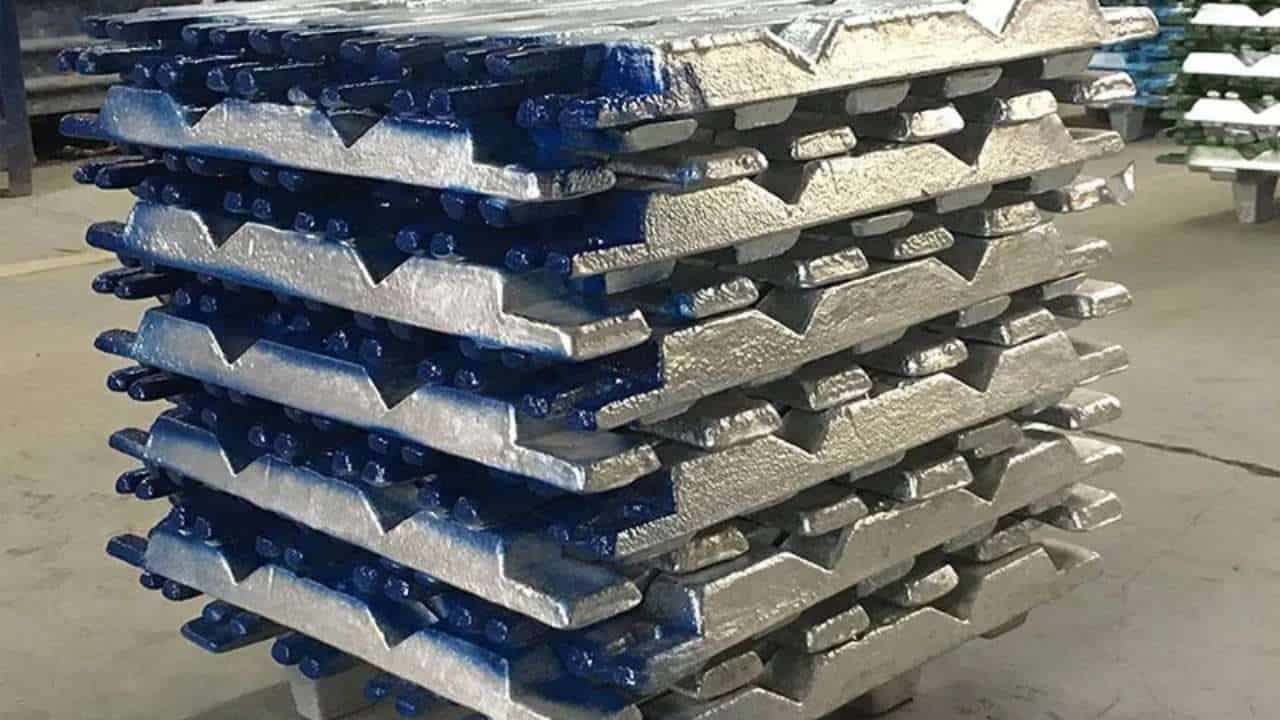
Zamak 5 is a strong and versatile alloy that has good strength, castability, and is resistant to corrosion. It has good performance as compared to Zamak 3, which makes it suitable for improved, mechanically reliable applications. It is a cost-effective and high-performing choice for automotive, aerospace, and consumer product development.
Contact Hmaking for high-quality Zamak 5 parts according to your application and production needs.