


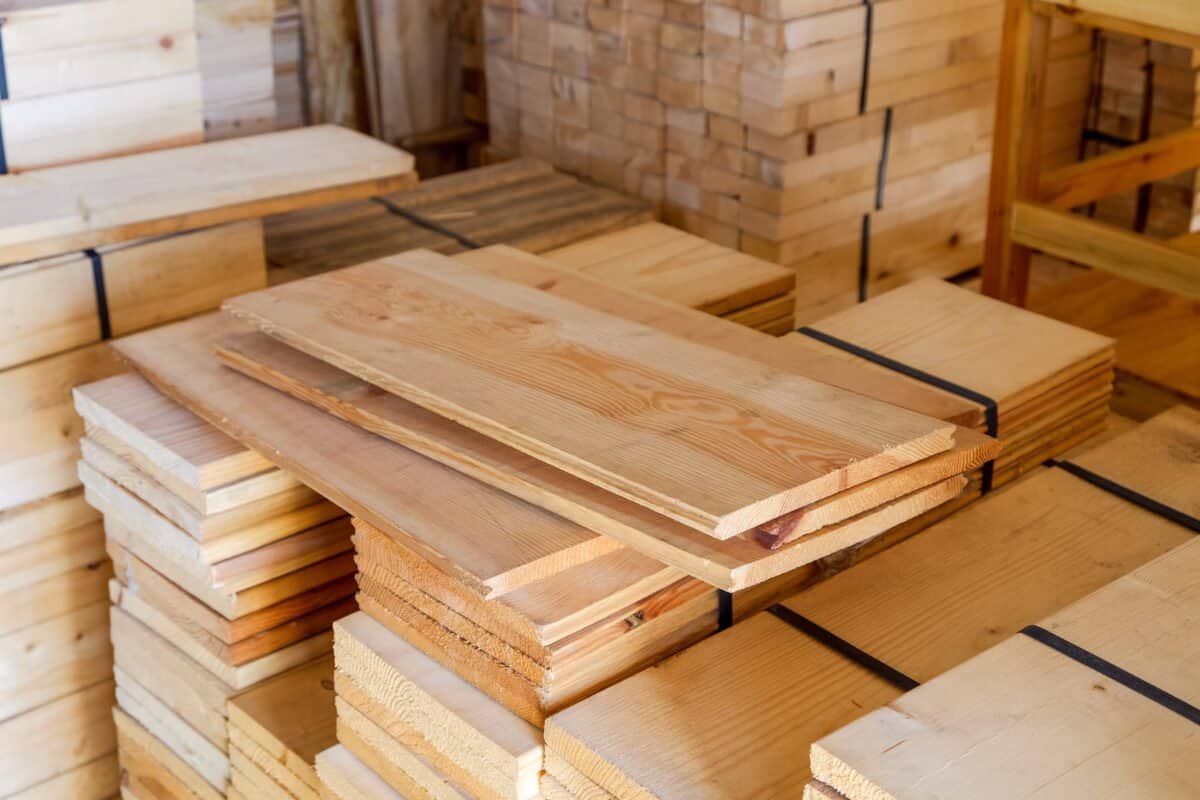
It’s common knowledge that CNC machining comes in different forms. And at the moment, the machining of wood is undoubtedly one of the foremost forms of this action.
That said, anyone who is looking to engage in wood machining has a major question to answer – should I work with hardwood or softwood? In this article, we’ll look into which of these options will work best for you from a manufacturer’s perspective.
Hardwood vs Softwood: Understanding Both Materials
What Are Hardwoods?
Hardwood is one of the most prominent wood variants in the market at the moment. A natural option, the product is obtained from deciduous trees – essentially, massive flowering plants such as the beech or the giant oak tree.
Manufacturers love hardwood because it is strong and dense. As such, it easily works for different purposes – including and especially CNC machining.
At the same time, manufacturers are also spoilt for choice when it comes to hardwoods. Some of the more notable variants of this product include:
- Oak Hardwood: As the name suggests, this is a hardwood that is obtained from the oak tree. It is easily the most prominent hardwood form available, with its durability being its most important factor.
- Maple Hardwood: If you want something with a light color and a more flexible grain, then maple hardwood is right there for you.
- Cherry Hardwood: The cherry tree also provides an impressive hardwood material, which is distinct with its reddish-brown color and its ability to harden as time goes on.
- Walnut Hardwood: Also known as Juglans spp, this is a dark hardwood option that is known for its distinct color, which combines hints of brown and chocolate.
- Mahogany Hardwood: A tropical hardwood, mahogany’s reddish-brown color makes it stand out. At the same time, you also get a straight, fine grain that easily makes the hardwood noticeable.
An Introduction To Softwoods
On the other end of the spectrum, we have softwoods. These woods are derived from coniferous trees, which are distinct for their cone-like shapes and evergreen nature. These trees also come with scale-like and needle-like leaves, which don’t drop regardless of the season.
While they might not be as strong as hardwoods, softwoods tend to grow faster. So, for manufacturers who want more volumes, this wood option is probably a solid option.
If you’re looking to get your hands on the best softwoods, here are a few options that might work for you:
- The Pine Tree: Easily one of the most popular coniferous plants, the pine tree provides impressive softwood that is light and also light-colored.
- A Specialty Spruce Plant: With its pale color and straight grain, the spruce tree easily fills in for several functionalities across the board.
- Fir Softwood: If you want to make things like plywood and lumber, then the softwood gotten from the fir plant is something you want to have with you.
- Cedar Softwood: Longevity is where the softwood gotten from the cedar plant shines. It has a strong smell, and it easily resists things like insects and decay. So, for that long-lasting feel, this is something you want to have.
Hardwood vs Softwood: Cell Structure
Now that we’re familiar with both materials, let’s look into some of the major considerations for anyone who wants to choose between them. Machining materials like brass is pretty easy, but when it comes to wood, it’s important to understand how they differ.
In most cases, the cellular structure tends to be one of the first things you consider in the hardwood vs softwood debate. This is because properly understanding what makes them up will most likely help you to also find out how to work with them.
The Structure Of Hardwood
In hardwood, you have material that comes with pores or vessels that help to move nutrients and water across. Hardwoods also tend to be denser than softwoods, and this is mostly because their fibers and component vessels are very close together.
We should also note the presence of unique growth rings that are formed as the tree continues to grow over time.
What Makes Softwood Unique
Now, we look into softwoods. These materials usually come with tracheids, which pretty much replace the vessels that you get in hardwoods instead. These tracheids are long, tapered cells that help with nutrient transportation, and they come with simpler structures than the vessels that you get with hardwoods.
Due to this unique structure, softwoods can achieve lower densities compared to hardwoods. And, since they come from evergreen trees, they also tend to be in higher supply.
Hardwood vs Softwood: Which Is Stronger?

In terms of overall strength, there’s not much of a competition here. This hardwood vs softwood debate skews mostly in the direction of the former, although there’s a bit of nuance to it as well.
On the surface, hardwoods are stronger because they are denser than softwoods. This higher density easily correlates to more strength and hardness, although you want to remember that there can easily be variations.
At the same time, the fiber structure of hardwoods also gives them a bit of an advantage when it comes to hardness. With their vessels, hardwoods offer more complex structures than softwoods, which tend to focus more on tracheids.
All in all, there’s a general tendency for hardwoods to be denser and stronger than softwoods. But, you also need to consider the type of hardwood you’re working with here.
How To Tell The Difference Between Hardwood And Softwood
As you go about product discovery for CNC machining, it is important for you to also understand the major differences between hardwood and softwood materials. This way, you can at least make sure that the option you pick is the right one. Here are a few factors that can help:
Check Out Their Leaves
Hardwood-producing trees tend to come in larger leaves that are flat and broad. On the other hand, trees for softwoods are usually evergreen with scale-like leaves.
How Their Seeds Look
The seeds of hardwood trees tend to be more enclosed in structures that protect them – maybe nuts or fruits. As for softwoods, their seeds usually come in cones.
How Large They Are
As we explained already, hardwoods tend to be larger than their counterparts. There are differences based on species, but this is quite general.
Are There Growth Rings?
If you find a tree with growth rings that are easily visible in cross-sections, then there’s a high chance it’s a hardwood tree. Softwood trees have these too, but they tend to not be as distinct.
Hardwood vs Softwood: Machinability Factors

For your CNC machining, it is important for you to also consider the machinability metrics and factors that both options provide.
With machinability, you’re examining how easy it is for a material to be shaped, cut, or tooled in different ways. As you would imagine, machinability is something that can be done to both hardwoods and softwoods. However, this isn’t to the same degree.
Here are a few things you might want to note:
How Density Comes Into Play
Because hardwoods tend to be denser than softwoods, they tend to be more challenging to machine. Your CNC machine will need to be very strong to cut through hardwood, and this means that there’s a generally higher chance of the machine wearing off.
The Impact Of Grain Patterns
Also, hardwoods come with more varied, complex grain patterns. As a result, machinability can also be affected to a considerable degree. The direction of the grain will have an impact on how easily the wood can be cut, as well as the type of machined surface you will eventually get.
Janka Hardness
This is a metric that pretty much measures how wood can resist things like denting and wear. Hardwoods tend to have higher Janka ratings than softwoods, and this means that they are stronger – although cutting through them will be more challenging as well.
The Risk Of Tool Wearing
Because it can be very challenging to machine, you can imagine that the entire process of using CNC tools on hardwood can elevate the risk of wear significantly. As a manufacturer, this is something you need to be very aware of.
When To Use Hardwood For Wood CNC Machining
So, we’ve highlighted how both options differ when it comes to CNC machining. Now, let’s look at where hardwood works and the instances where you might want to make use of it for your machining requirements:
If You Need A Strong Wooden Part
Strength and durability are easily the two areas where hardwood stands out in this comparison. And if you’re working on a project where products will be subject to a lot of use, then we recommend that you work with hardwood.
If Aesthetics Are A Major Consideration
You will also most likely need to use hardwood if you want an attractive, intricate grain. These woods tend to be aesthetically pleasing, and they give you a lot of service on that front.
Working On A Custom Project
If your machining project involves creating a custom item – maybe some furniture, a decorative piece, or something else – then you should be able to get a lot of functionality from hardwoods.
Prototypes Or Proofs of Concept
Hardwoods are a solid option for anyone looking to develop a prototype or some other small production run. At the end of the day, you want to make sure that your finished product is of the highest quality. And with hardwood, you can achieve this.
Use In Outdoor Spaces
The fact that they are very durable means that hardwoods will most likely be better if you’re creating something that needs to be used outdoors. Hardwood trees like ipe and teak can easily resist insects and moisture, so you get a lot of service from them here.
When To Use Softwood For Wood CNC Machining

That said, there are a few instances where softwoods might actually be a better fit for you. Some of these instances include:
You’re On A Budget
They might not be as strong, but softwoods tend to be very affordable. So, if you have a tight budget, then a softwood option will most likely be what you need.
You Need Something Light
Thanks to their lower density, softwoods are the lighter option of the two. And if your project involves making products that have weight issues, then these wood options just might be what you need.
Developing Farm & Construction Tools
Because they can easily be machined, softwoods do well when you need something to work either in farming or construction.
Quick Prototype Development
While hardwoods are pretty good for making prototypes of products, softwoods are also quite ideal on this front. It’s especially notable when you need a quick prototype – softwoods won’t be a chore to machine, so you’ll be able to develop your proof of concept much quicker.
Working On A Hobby
For hobbyist or DIY projects, softwoods can provide more functionality. They are more readily available, and they are also cheap to purchase. So, there’s not much of a disadvantage here.
Hardwood vs Softwood: Maintenance and Durability Post-Machining
You might think that the process of machining is where your work ends, but this isn’t necessarily so. Even after machining, it’s important to ensure that your product is properly maintained and that you can keep it in condition.
To ensure a holistic service, you want to make sure that you have a system that caters to the maintenance of your wood as well.
In terms of maintenance, hardwood might be the better option. The material is much more durable, and it does pretty well to resist wear and tear. Combine this with the fact that it needs very minimal maintenance – all you need to do is clean it with a mild wood cleaner, and you can apply the wax once in a while to ensure that the wood’s natural beauty is maintained.
To top it off, hardwoods also do better in outdoor environments. They don’t wear, and some hardwood options – as we pointed out earlier – generally resist things like moisture and exposure to insects. So, you will be able to get optimal bang for your buck with them.
This is not to say that softwoods are not great. They can be impressive on their own, and as long as you clean them and are careful with where you use them, you shouldn’t have an issue. However, if it’s ease of maintenance that you want, then hardwood is the right option for you.
Conclusion
Hardwood and softwood are two very similar products. And with the right level of knowledge, you will be able to decide as to which you’d rather use for your CNC machining.
If you need any additional help, feel free to reach out to us at HM.