


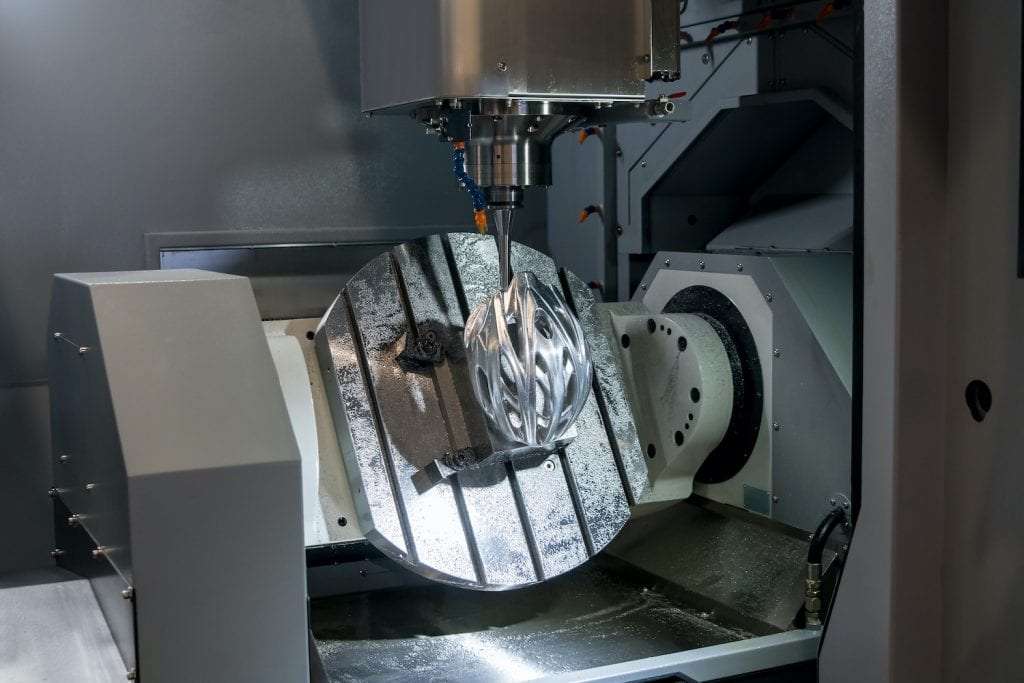
CNC machines have become especially prominent because of their ability to improve accuracy across the board. These machines aren’t just effective, but they’re also perfect for when you want to create multiple parts with the same level of precision.
For every CNC machine to work, however, it needs to be built with some parts that have to work together in order to achieve the part you desire.
In this article, we’ll be looking into the different CNC machine parts and their role in ensuring that the entire machinery works as it should.
What Is CNC Machining?

Computer Numerical Control – or CNC – machining is a form of manufacturing process where you use two things to work primarily; machine tools and controls based on computer programs. The simple benefit of CNC machining is the fact that it allows you to provide incredibly accurate parts. Thanks to the use and work of the computers, the machines are fed with the right instructions, and you end up with parts that are incredibly accurate and precise across the board.
For every CNC machine to work, you generally have to rely on specific working principles. Some of those include:
Computer-Aided Design: In CNC machining, you usually have to start by creating the virtual design of whatever part you want to make. This is usually done with Computer-Aided Design software, which will show the dimensions and features of the part that needs to be made.
The Programming Procedure: Next, the design is translated with the use of Computer-Aided Manufacturing software into instructions that the machine can understand.
Set The Machine Up: Once you have your program, you transfer it to the CNC machine. In most cases, you will need to set the workpiece up and install the tools you need.
The Machine Starts To Execute: With the CAM program being executed, you can now direct the movement of its axes – in most cases, the X, Y, and Z axes to place the tool over the workpiece more accurately. From there, you follow the path you programmed to take out materials from the workpiece.
Watch As Materials Are Taken Out: Based on the instructions you created and the operation you’re working on, watch as the cutting tool starts to engage with the workpiece to take the material out.
Control The Process & Maintain Quality: While CNC machines work with the use of computers, you also need to keep an eye on things. This way, you can ensure proper quality assurance and troubleshoot any issues you find.
Examining The Components Of A CNC Machine:
Now that we understand what CNC machining is and how it operates, let’s begin looking at the major parts of a CNC machine and how they operate:
Control System
First, we have the control systems. Here, you pretty much know what you’re working with based on the name – these are systems that help you to ensure that every other component works as it should and that the entire machine is operating optimally.
Generally, CNC machine control systems come in different forms – based on the type of CNC precision machining you’re looking to work with:
An Open Loop Control System: In this system, you have a controller that sends commands straight to the motors of the machine. It’s a much simpler system because the controller doesn’t get feedback on the position or movement of the tool.
The Closed Loop System: A closed-loop control system works like the open-loop variant, except that it incorporates a feedback mechanism to ensure that the machine’s axes are monitored at all times. Thanks to linear scales and encoders, you can get proper accuracy in feedback and machining.
Point-to-Point Control System: A point-to-point control system mostly works when the tool has to move based on particular coordinates. It’s pretty simple, though, so it works when you have the basic parts of a CNC machine.
Contouring Control System: With a contouring system, you can interpolate tool movements along more complex paths in order to create those intricate shapes. They work with algorithms to generate smooth paths for the tools to work through, so they improve precision too.
Parallel Axis Control System: When your machine has to move across different axes, you use a parallel axis control system to coordinate its movements. This system makes it easy to achieve synchronized movements, thus enabling the creation of 3D shapes.
Generally, a CNC control system comes with these components that help make it work better:
The Primary Control Console: In the control console, you hold the interface that allows you to communicate directly with the machine. Every console has a monitor or a touchscreen where you input commands and which shows the graphical control interface.
A Central Controller: With the controller, you have the central processing unit that guides the entire CNC system. It executes commands, interprets programs, and coordinates all axes movements.
Drives On Axes: Generally, axes drives are either servo or stepper motor controllers that help to keep a handle on how the machine’s axes move based on your commands. They drive machine components straight or circular, converting electrical signals into mechanical motion.
Feedback Components: Whenever you need your CNC machine to give feedback on operation, you have these CNC milling machine components. They measure the tool or workpiece’s position and then send the information back to the controller to see if there are any mistakes.
Peripheral Devices: Finally, we have the actuators, sensors, and safety interlocks that you can integrate into your system to improve how it works and monitor the overall status of the machine.
The Mechanical Structure
For the next, we’ll be looking at the very structure of the CNC machine. Considering that there are different types of CNC operations, you can imagine that these machines have their specific structure types – and these types will easily dictate the efficiency of the machine overall.
CNC machine structures come in different types, with the most prominent of them being the following:
Bed Type Structure: Easily the most popular structure format, the bed type structure features the worktable being mounted on a rigid bed directly. This way, you get enough support for the workpiece and all cutting forces.
The Gantry Structure: Here, you have a gantry or an overhead bridge that is supported by columns that are placed on every side of the work area. As the machine’s axes move along the bridge, the workpiece is held on the table and the machine starts to work on it.
C-Frame Structure: Some call it a C-frame, others call it a C-structure. Here, you have a design that includes a single vertical column that supports the moving components of the machine. This way, you have easy access to the work area regardless of the side.
Turret Structure: In this structure, you have a tool changer or tool turret that is mounted on a spinning axis. This way, you can change tools easily and even engage in multi-tool machining. In most cases, you find this structure with CNC lathe components.
Swiss-Type Structure: You mostly see these machines with sliding headstocks and guide bushing arrangements that allow you to machine long and slim workpieces with as much precision as possible.
Horizontal Machining Center (HMC) Structure: The HMC structure comes with a straight spindle orientation and a worktable that only moves across the X and Y axes. This way, you can evacuate chips quickly and ensure that the workpiece remains stable as you cut.
Vertical Machining Center (VMC) Structure: Pretty much the opposite of the HMC, this structure has a vertical spindle and a worktable that adds movement through the Z axis too. The benefit of this structure is that the entire machine’s footprint is smaller, and you can also access it easily.
Speaking of, you should also be familiar with the general parts of CNC structures and their role in making the entire machining operation as smooth as possible:
Everything Rests On The Bed: Also known as the base, the bed offers the foundation for the whole machine to rest on.
The Straight Column: A vertical component, the column holds the main spindle – as well as other components like the turret or tool changes.
The Work Table: Here, you put the workpiece and either mount or clamp it as the machining process goes on. The table should be able to move across different axes, so the workpiece is properly positioned.
Your Spindle: This rotating shaft holds your cutting tool and spins it quickly to take out any excess material directly from the workpiece.
The Movement Axes: Generally, you have three axes where your tool can move – the X-axis is horizontal, while the Y-axis is vertical. Then, there’s the Z-Axis, which is also vertical but allows the spindle to cut from top to bottom.
Drive Mechanisms: These tools help to move power from the machine’s motors to all of the moving components. This way, you get controlled axe movements as the machining takes place.
A Tool Changer: For some parts of a CNC mill, you might need to change cutting tools as the operation goes on. Some of these changes can hold multiple tools, thus making it easier for you to select from the available options.
The Coolant System: It’s impossible for a CNC machine to work if you don’t have a coolant. Its job is to make sure that any excess heat is properly handled, and that your device can stay functional for as long as possible.
Spindle and Tooling System
We already highlighted the functionality of a regular CNC spindle. These tools help to hold the cutting tools and rotate them, allowing them to work in different machining operations.
In general, you can find different CNC spindles, with each coming with its own CNC auto parts and being able to handle different requirements. Some of the more prominent options available include:
The Belt-Driven Spindle:
Every belt-driven spindle works with a motor, which powers the spindle, and a belt drive system that transfers spinning power to the spindle shaft with different belts. Then, there’s a spindle shaft that spins and holds the cutting tool, as well as bearings that keep the shaft stable.
Finally, a tool holder helps to secure the cutting tool in place and make it possible for you to change tools.
A Direct-Drive Spindle
With this spindle type, you have a primary motor that’s directly integrated into the spindle shaft. This structure means you won’t need a standalone belt drive system. The spindle shaft itself is connected to the motor shaft, offering enough torque and cutting down on vibration.
This system also needs bearings, as well as a tool holder that keeps the cutting tool in place perfectly.
Air-Cooled Spindle
With an air-cooled spindle, you have a primary motor that is built for proper air cooling. There’s also a standalone cooling system that uses forced air circulation to take out excess heat and maintain the right spindle temperature.
And, just like the other doodle types, you also get a spindle shaft and a tool holder.
Liquid-Cooled Spindle
The liquid-cooled spindle works a lot like the air-cooled one. As you can imagine, the major difference is just in how they cool their materials. This one is designed with a liquid coolant, and in more ways than one, it offers a more efficient form of dissipation across the board.
High-Speed Spindle
Built to operate at incredibly high speeds, these spindles come with built-in CNC machine components that help to cut down on runout and vibration. The spindle shaft is also built for quick rotation, while you have precision-balanced components that help to cut down on vibration.
Finally, you have bearings and a tool holder, which handle the conventional tasks of directions and secure place.
The Cutting Tool
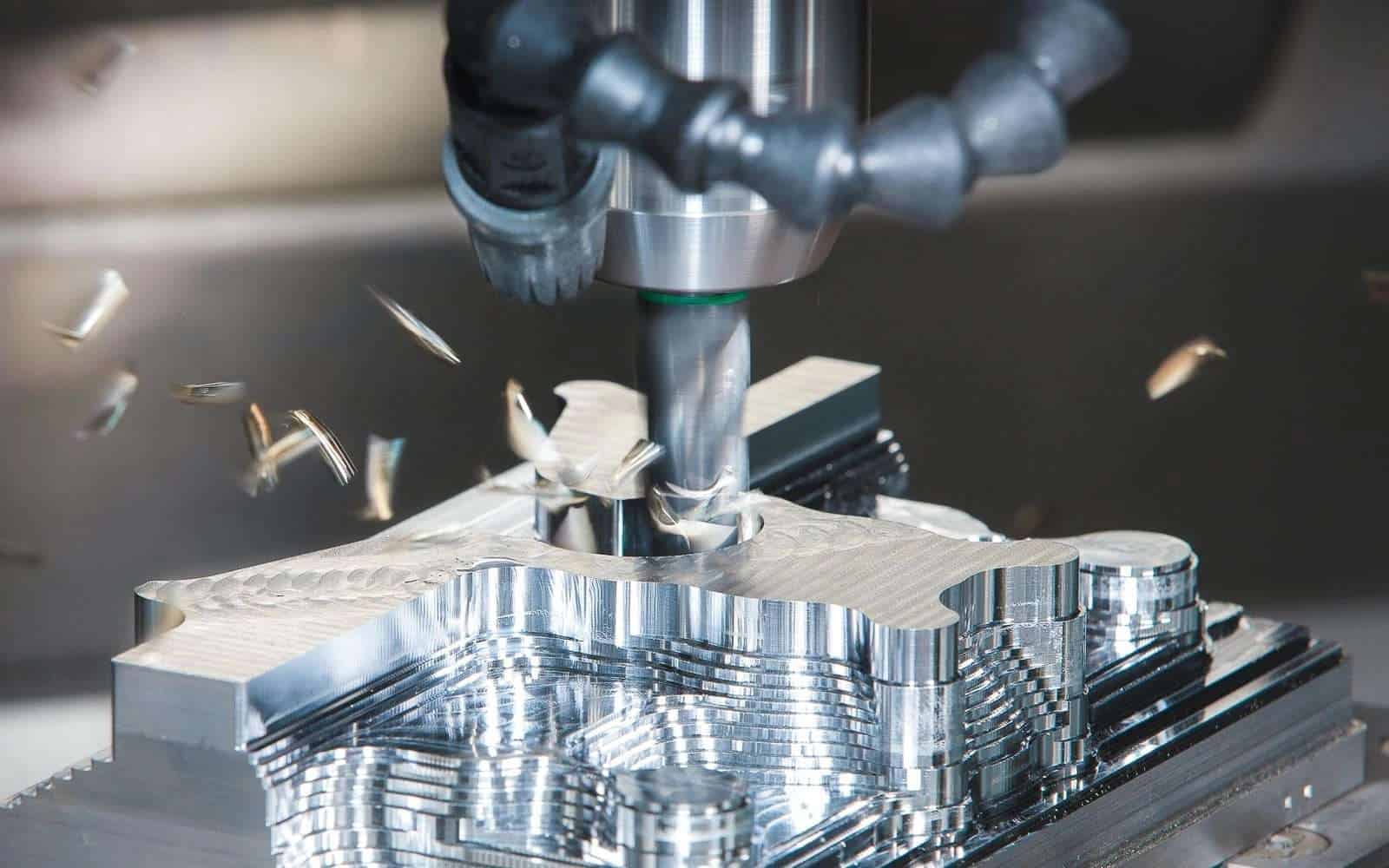
Now, we’re getting into some of the more interesting parts. When it comes to CNC cutting components, you have several types- with each of them being designed for a specific operation, as well as a specific type of material to work with. Generally, the major ones here are.
End Mills
An end mill is a flexible tool that comes with cutting edges on both its ends and its peripheries. You mostly use them for milling slots and contours across different materials.
When selecting end mills, you want to choose one with the right number of flutes – either 2, 4, or even more. You also need to make sure you have the right coating that helps ensure that you don’t have to deal with wear resistance.
Traditional Drills
As you would imagine, drills help to create holes in workpieces. There are twist drills, spot drills, center drills, and so many more, so before you make a choice, ensure that you have the right diameter for the hole you’re looking to create.
You also need to consider the material you’re drilling and make sure that you choose a drill that has the right dimensions to improve chip evacuation.
Taps For Threading Holes
Whenever you need to thread a hole accurately, then you can always count on a tap. There are different sizes and pitches, so you want to make sure you choose the right one for your thread specifications. At the same time, consider the material you’re threading and choose a tap that has the right geometry and coating for it.
Milling Cutters
A milling cutter spins and is one of the most prominent CNC components for milling operations. As expected, make sure you have the right milling cutter type based on the machining operations and the size of the workpiece.
Factors like the diameter of the cutter, the number of inserts, and more can help you make a decision too.
Tool Inserts
These are switchable cutting tips that help with indexable cutting tools like CNC turning tools, milling cutters, and more. As long as you have a cutter with the right geometry and which can work with your cutting material, you shouldn’t have an issue overall.
Reamers
If you have an existing hole and would like to expand or finish it, then a reamer will help you out. It ensures that your existing hole can be made to fit a specific surface finish and dimensions, and it provides a significant amount of accuracy in this expansion process.
Reamer sizes and geometries should be chosen based on the desired size of the hole, as well as the required surface finish and tolerance. Factors such as flute coating and design should also help you to better understand which option to choose.
Coolant & Heat Management System
Heat is something that every CNC machine has to contend with. When heat builds up, your machine is immediately at a higher risk of getting damaged, and you could end up not getting as much value from it. This is why coolants are so important – they allow your machine to dissipate this heat, thus ensuring that it can work for as long as possible.
With coolants, you need to consider some of the following types and what makes them so unique:
The Flood Coolant System
Easily the most common coolant system type, this mechanism involves pumping the coolant from a reservoir and directing it through pipes or nozzles to flood the cutting area. Besides cooling, this system also improves things like lubrication and helps to flush any chips away.
Mist Coolant Mechanism
This system involves atomizing the coolant into small droplets and directing them as a mist towards the cutting area. When you don’t necessarily need a high-pressure coolant, this system works quite well.
Through-Spindle Coolant System:
The TSC coolant system delivers the coolant directly through the spindle and tool holder directly to the cutting edge of the cutting tool. It helps to cut down on heat generation and improve the overall functioning life of your tool, especially if you need to use it in drilling.
External Coolant System
Holding coolant nozzles and pipes, the external coolant system positions these components outside of the machine tool. As such, the coolant is directed to the cutting area, allowing you to use the system in conjunction with mist or flood coolant systems to improve chip evacuation and cooling operations.
Air Blast Coolant System
When you have an air blast coolant system, you use compressed air to blow ships away from the cutting region and just cool the cutting tool and workpiece. It might not be as effective as having a liquid coolant, but it can also help with additional tasks like chip evacuation.
Regardless of the system you choose, you will have to work with some of the following machining CNC parts:
The Coolant Reservoir: It’s important to have a tank or reservoir available to hold the fluid or gas brewing used as a coolant.
A Coolant Pump: You also need a pump to circulate the coolant from the reservoir to the cutting area of the machine tool. Generally, the pump maintains the flow rate of the coolant, as well as its required pressure.
Coolant Lines: These are the hoses, pipes, and tubes that help to move the coolant from the reservoir to the machine. You can also add screens or filters that help to take out any debris from the coolant and deliver nothing but the pure stuff.
Nozzles or Manifolds: These are basically the devices that direct the coolant onto the workpiece and the cutting tool. Here, you want to make sure you have strategic positioning to ensure that you can target specific areas of the cutting zone.
A Traditional Filtration System: It’s not uncommon to find coolant systems that have filters to help take out any contaminants. This way, the coolant fluid gets an extended shelf life.
Workholding Devices
Workholding devices do just what you expect them to – they hold your tools, ensuring that they don’t go out of whack or lose their positioning. Every work holding device is specifically designed to fill a specific set of machining requirements and application uses, but the most prominent of them include:
Vises
A vise is a flexible work-holding device that holds your workpiece in place. You can find them in different configurations, from the standard vises to the vises that specialize in milling procedures and even the self-centering vises.
Chucks
In most cases, you use chucks to hold cylindrical workpieces – tubes, round bars, etc. They hold the center of the workpiece, and they are especially perfect for facing, turning, and cylindrical machining.
Fixture Plates
These plates come in flat, rectangular shapes, as well as patterns for slots and holes. They work by clamping the workpiece, thus making it possible for you to have a flexible and repeatable setup.
The benefit of fixture plates is that they make it easy for you to work with multiple parts and even achieve optimal repeatability.
Magnetic Chucks
These work like traditional chucks, but they also incorporate magnets to hold metallic workpieces securely. With their strong gripping force, magnetic chucks make it easy for you to load and unload your workpiece. At the same time, they work for multiple CNC machining components.
Collet Chucks
These chucks make use of colets to firmly hold the workpiece. A collet is a cylindrical sleeve that compresses around your workpiece when you tighten it, thus offering enough clamping force and concentricity.
Generally, collet chucks work best when you have a workpiece with a small diameter.
Indexers and Rotary Tables:
When you need to rotate a workpiece to different angles and still maintain its position, an indexer or rotary table comes in handy. They enable multi-sided machining, while also reducing the need for you to adjust the position of the workpiece on your own.
Given that there are so many work holding devices, you can imagine that making a choice can be challenging. But, here are a few factors that you might want to consider:
- The side and shape of the workpiece will determine which device works best for it.
- Always select a work-holding device that is suitable for the specific machining operation you’re working with.
- Consider your desired level of repeatability and accuracy, as this matters a lot
- You also need to know the desired production volume, as well as the number of setup changes you’re working with. Choose a device that is flexible, and which offers repeatability and efficiency
Safety Features
When you handle enough CNC components, you will realize the need for safety. Like every other automated process, finding the right balance between efficiency and safety is one of the most important things, and you need to make sure that anyone handling the process is protected across the board.
With that in mind, here are a few important CNC machined components that help to promote the safety of the person operating:
An Emergency Stop Button: If you notice a malfunction with any of your parts for CNC machining, then you will need to incorporate a stop button. This way, you can stop all operations and address any unexpected hazard.
Safety Interlocks: An interlock is a mechanism that prevents the machine from working until you’ve met certain conditions. It ensures that all guards, locks, covers, and more are properly closed, so safety is optimized.
Guards & Enclosures: These are physical barriers that protect operators from different CNC machine components – moving parts, rotating tools, cutting tools, etc. They offer an additional layer of protection from chips, debris, and more that could pose serious threats.
Sensors & Light Switches: These devices help to detect any operations that are out of the ordinary – from tool breakage to excess vibrations and more. Once they do, they trigger an automatic shutdown sequence that immediately closes the machine’s operation.
Safety Labels & Signs: We would always recommend that you have safety markings, labels, and signs that will provide visual cues to operators about what to do and look out for to ensure a safe operation.
All of these features as well as important safety protocols – will ensure that you never have anything to worry about overall. We generally recommend that you have all of these as part of your setup, but even if you can’t, at least incorporate as many as you can.
Conclusion
When it comes to the parts of a CNC machine, there are just so many options to work with. At the end of the day, knowing what you need and working with that will go a long way in helping you optimize efficiency as much as you can.
If you need more information or would like to learn more, feel free to reach out to us at HM.